
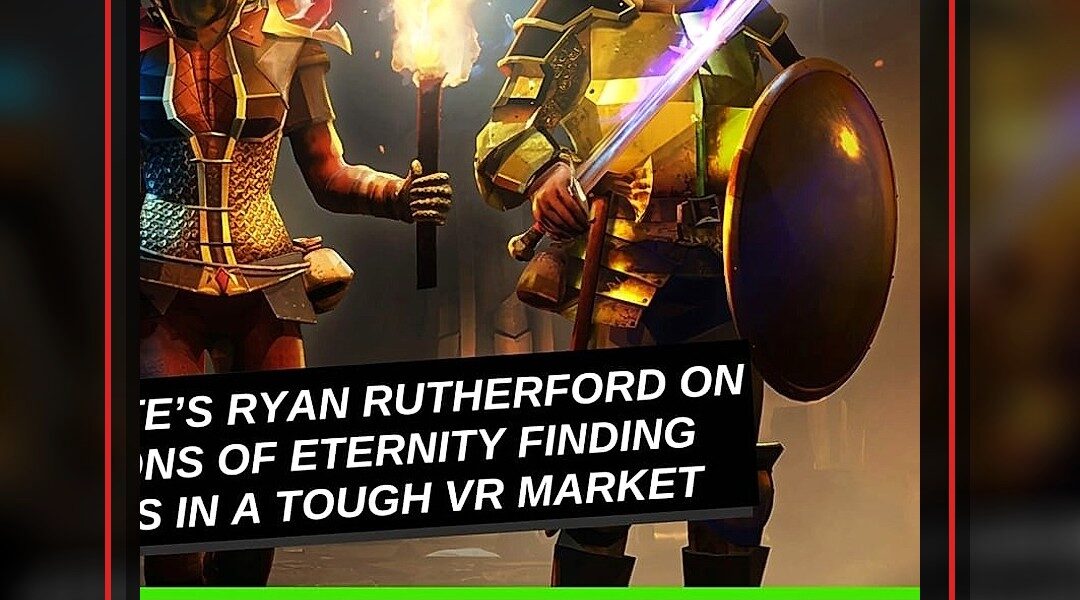
Ryan Rutherford of Othergate discusses the evolution of ‘Dungeons of Eternity,’ a VR co-op dungeon crawler, highlighting its inspirations and evolving gameplay.
In the landscape of virtual reality gaming, creating a title that sustains success over years is a challenging feat. Ryan Rutherford, co-founder of Othergate, has achieved this with Dungeons of Eternity, a VR dungeon crawler that has evolved with its audience since its release over three years ago.
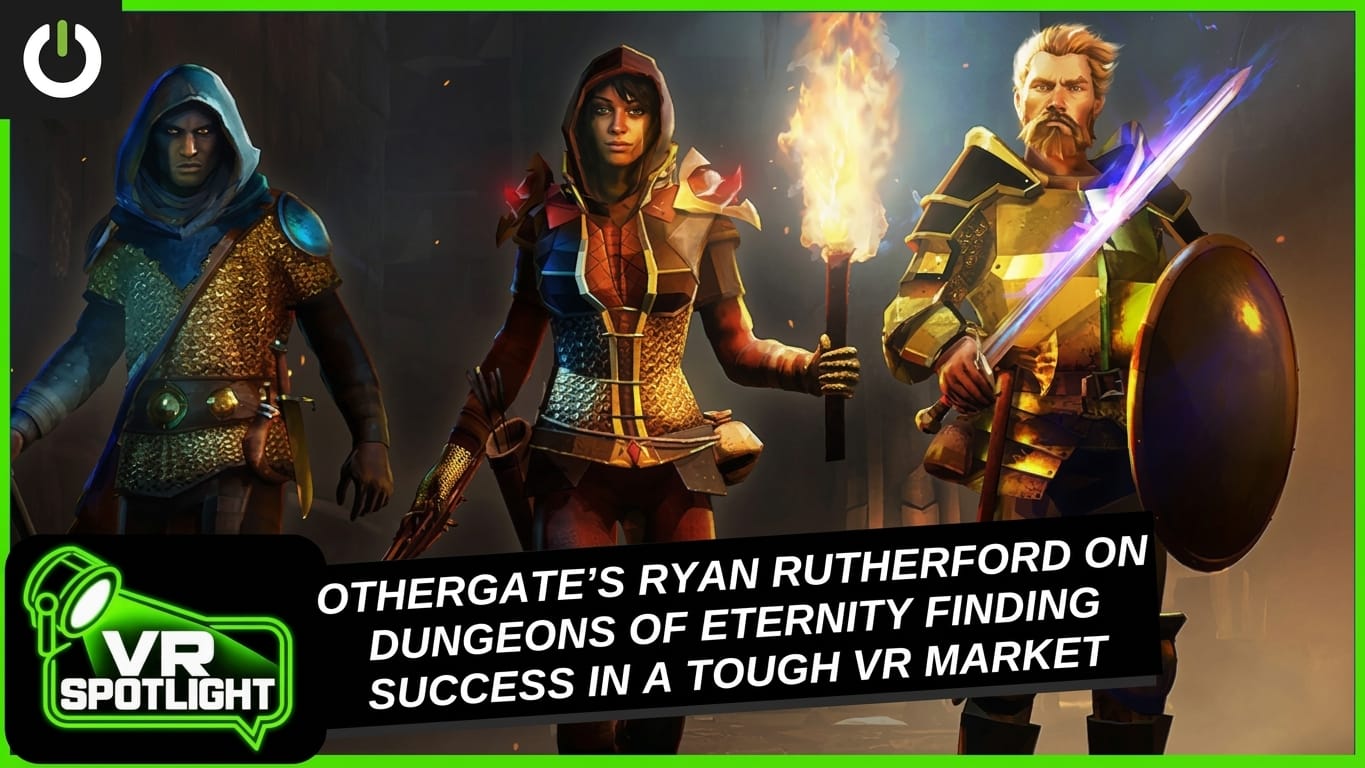
Othergate’s journey in developing Dungeons of Eternity reflects a deep-seated passion for merging classic gaming elements with the immersive potential of VR. Rutherford describes the game as a “four-player co-op dungeon crawler built for VR from the ground up,” celebrating its recent three-year anniversary with continuous updates and expansions.
Inspirations from the Classics
Rutherford’s team drew significant inspiration from iconic titles like Diablo and Zelda. The influence of these classics is evident in Dungeons of Eternity’s procedurally generated dungeons that offer fresh challenges and familiar comforts, akin to the random dungeons mechanics found in Zelda.
“Growing up, some of my favorite games were Zelda and other games in that genre,” Rutherford notes. This foundation allowed them to craft a world where each adventurer’s journey is unique yet comfortingly reminiscent of beloved gaming experiences.
Expanding Game Modes and Player Engagement
The game initially launched with three main modes, known informally by their colors: blue, green, and red dungeons. Over time, Rutherford and his team supplemented these with new modes like Tomb Extraction and Stormgrave, enhancing the player experience with diverse challenges.
The mode expansion strategy involves both player feedback and internal experimentation, with an emphasis on maintaining a core gameplay loop. According to Rutherford, Dungeon Raid remains the most popular mode, providing the highest rewards and a quintessential dungeon-crawling experience. While other modes like Crystal Hunt and Soul Harvest offer alternative resources and buffs, players frequently gravitate back to the heart of the adventure—Dungeon Raid.
System-Level Shift: Workflow Compression in Game Development
The development of Dungeons of Eternity is an example of effective workflow compression, a pattern seen in agile game development environments. The team’s ability to adapt and expand content while maintaining core game mechanics showcases a streamlined approach that optimizes both creative output and player satisfaction.
Through internal performance improvements and platform optimizations, Othergate transitioned from a three-player co-op to a four-player experience, addressing demands for inclusivity without compromising gameplay quality. This shift not only enhances engagement but also exemplifies adaptive workflow strategies critical in modern VR gaming.
Insights into Development Dynamics
The collaborative process at Othergate is notable, with the team consisting of co-founders and full-time developers spread across different time zones. This dispersed yet cohesive operation relies heavily on efficient communication and shared vision—a testament to adaptive workflows thriving under distributed conditions.
Rutherford reflects fondly on the game’s development, particularly the creative decisions made during early stages. “Looking back on the original launch trailer now, three years later,” he muses, underscores the evolution of Dungeons of Eternity and the distinctive cooperative spirit that remains its cornerstone.
As VR technology continues to evolve, Rutherford’s team remains committed to expanding the game alongside its community. Future plans include introducing user-generated content and modding capabilities, fostering deeper player interaction and creativity within the game world.
Ultimately, the success of Dungeons of Eternity highlights the importance of integrating player feedback, adapting to technological advancements, and maintaining a collaborative culture in game development. As the VR landscape expands, so too does the potential for games like Dungeons of Eternity to redefine the boundaries of immersive, cooperative gaming.
Observation recorded.