
Explore the importance of monitoring iPhone battery health, the cycle limit, and when replacement becomes necessary. An in-depth analysis of battery degradation and its effects.
Smart devices, like the iPhone, have woven themselves into the fabric of daily life, and understanding their components, particularly the battery, is crucial for optimizing use and longevity. Apple has equipped its devices with metrics that allow users to assess battery health, demystifying when it might be time for a replacement.
Understanding Battery Health Metrics
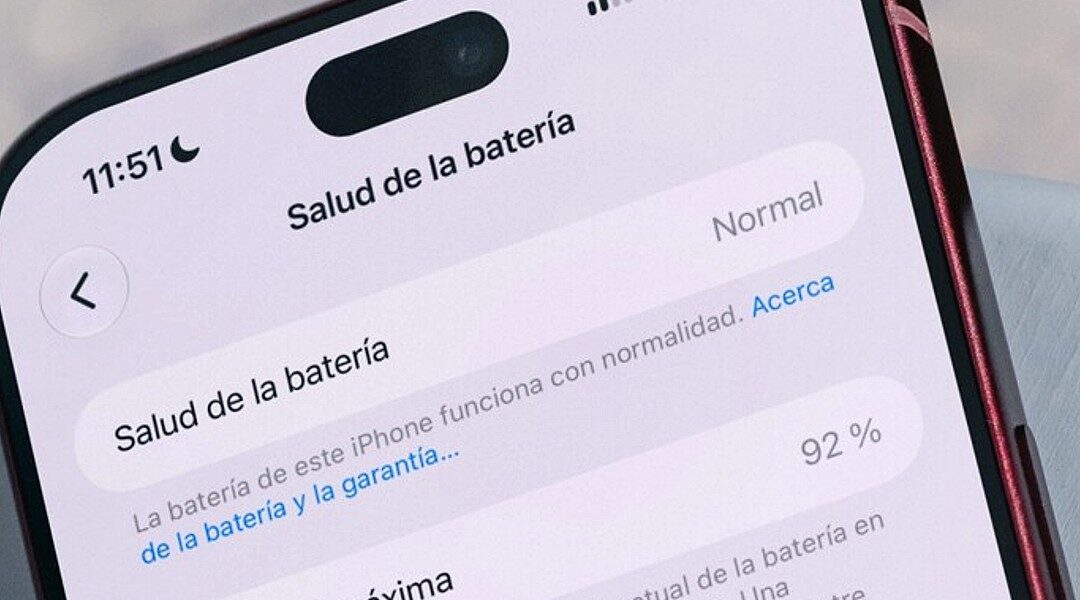
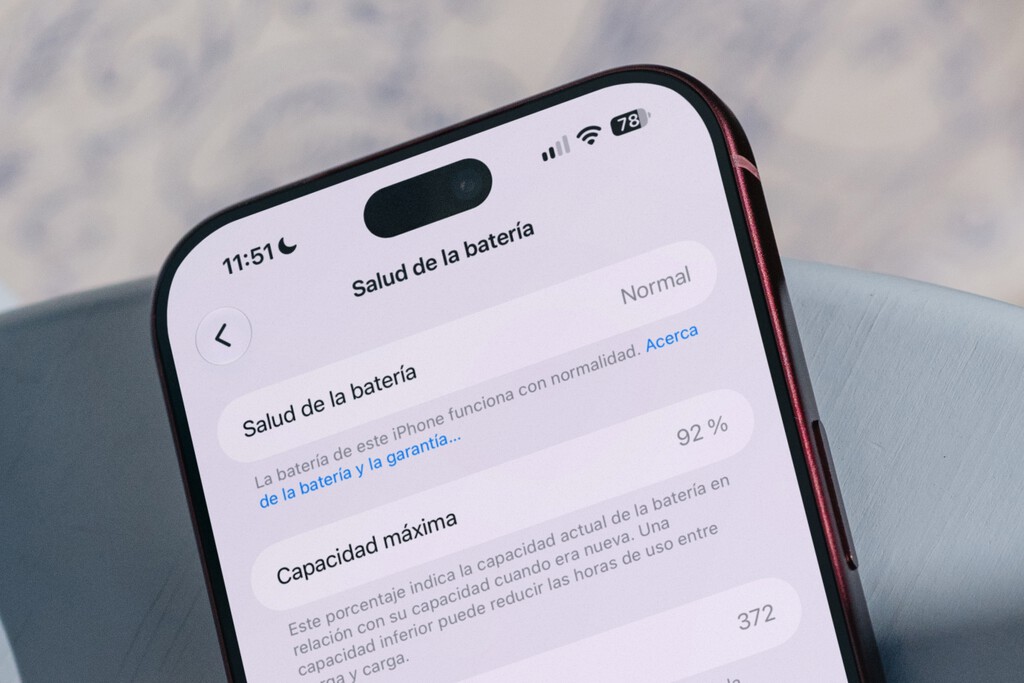
In Settings under Battery Health, the iPhone displays a percentage indicating the battery’s maximum capacity compared to when it was new. This metric is not merely a reflection of current battery performance but a broader measure of its overall health. A 100% means the battery can hold the same charge as a new one. However, as usage accumulates, this depletes.
Apple suggests that once the battery health dips below 80%, it might not deliver its ‘maximum capacity.’ This is a guideline, subject to variations in measurement accuracy, as the system relies on algorithms rather than precise instruments. Users often believe ‘resetting’ the device can recalibrate these calculations to reflect a more accurate health estimate.
Cycle Limits and Their Importance
Battery life is primarily quantified through charge cycles, a term representing the cumulative consumption of 100% of the battery’s capacity. For instance, using 60% of battery life one day and 40% the next equals a complete cycle. This understanding is pivotal, as lithium-ion batteries degrade with each cycle.
iPhones manufactured before the iPhone 15 can withstand up to 500 cycles before the battery health declines to 80%. Newer models, from the iPhone 15 onward, boast an improved lifespan of up to 1,000 cycles before reaching similar degradation.
Consequences of Neglecting Replacement
Failing to replace a battery in a timely manner does not pose immediate physical danger, such as risk of explosion, but it does impact functionality. Primarily, users will notice diminished autonomy and might experience unexpected shutdowns. These occur when the degraded battery struggles to meet the device’s energy requirements, especially under demanding use.
Consistent dependence on a power source becomes necessary, potentially altering how users interact with their devices in day-to-day scenarios.
The Pitfalls of Premature Replacement
While it’s tempting to maintain battery health at an optimum, there’s little benefit to changing batteries prematurely. A battery retaining 85% of its original capacity remains functional for typical usage, allowing for the postponement of replacement costs without adversely affecting performance.
Strategic replacement aligns with the natural decline to around 80% health, optimizing both performance longevity and financial outlay.
System-Level Shift: Monitoring as a Key Pattern
The ability to monitor battery health signals a transition in consumer-device interaction, where users engage more deeply with their device management. This monitoring does not only inform replacement decisions but enhances overall user understanding and device stewardship.
Such metrics represent a broader trend towards self-sustained tech management, where users are empowered with real-time data to optimize device utility, symptomatic of increased digital literacy and adaptive behavior.
Observation recorded. Monitoring continues.