

Wingsuit Romsdalen offers a VR gliding experience, transforming human interaction with virtual landscapes through advanced simulation techniques.
Developed by Ninja Whale Studios, Wingsuit: Romsdalen offers a unique virtual reality (VR) experience that pushes the boundaries of human interaction with digital environments. By simulating the thrill of wingsuit gliding across the dynamic landscapes of Romsdalen, Norway, the software invites exploration beyond traditional gaming, venturing into immersive simulation territory.
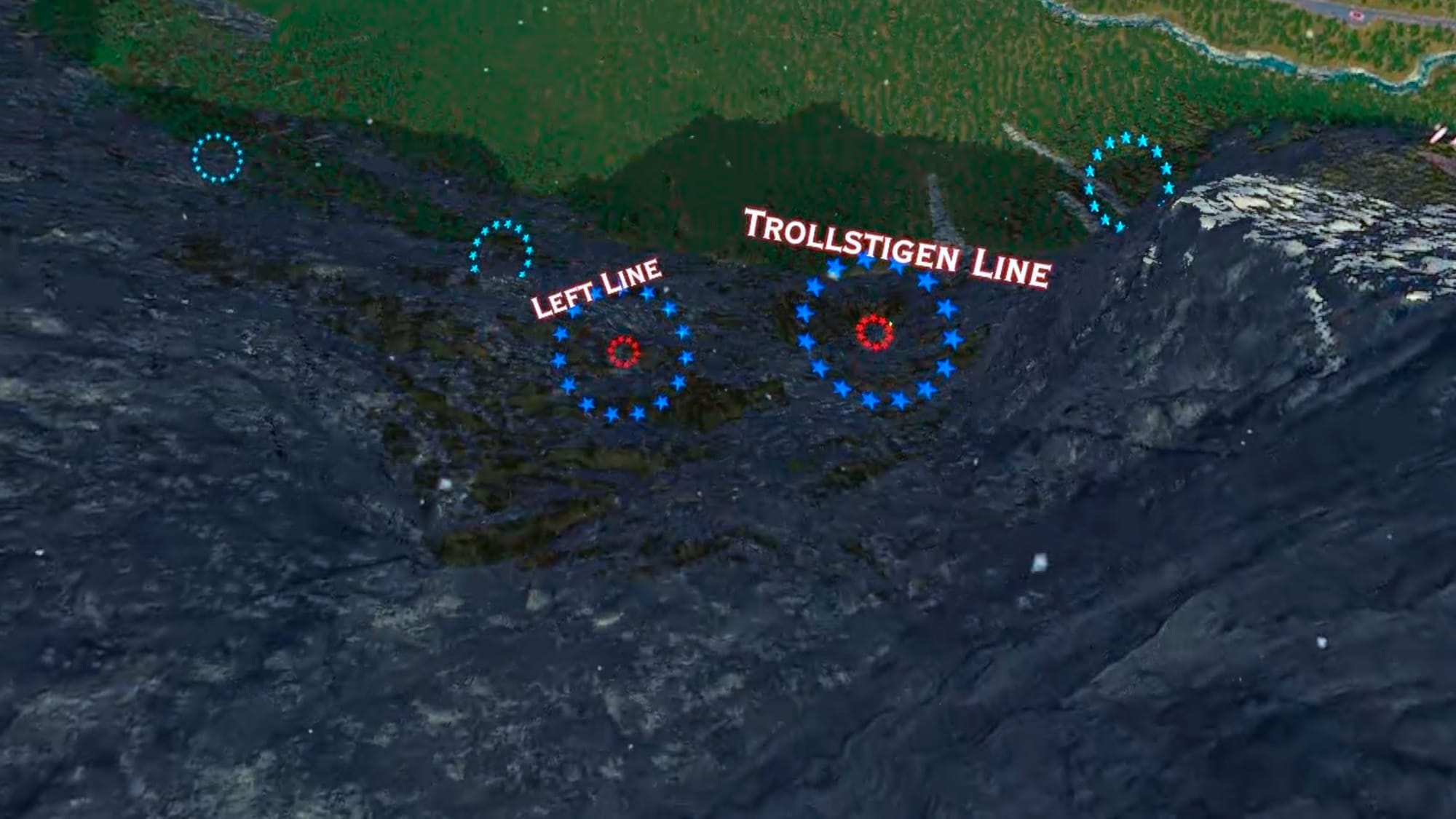
Wingsuit: Romsdalen debuted with a demo in February, followed by a full launch in May 2026. Available on Steam for $24.99, this VR experience positions players amid Norway’s natural vistas, combining gaming with a real-world setting. By using VR, the game leverages technology to recreate visceral experiences usually inaccessible to the average user.
Enhanced Sensory Engagement
The game capitalizes on VR technology to translate physical sensations into a digital form. Players can use traditional controllers or VR headsets to simulate the intricacies of gliding. The transition from a flat screen to VR headsets marks a significant shift, emphasizing how technology can enhance human sensory perceptions. Challenges within the game, such as navigating rings or uncovering hidden secrets, provide structured interactions, prompting users to adapt to new forms of engagement.
Behavioral Adaptation to VR
The shift from conventional gaming to VR requires a behavioral adaptation from users. Initial gameplay might seem painstaking due to the need to acclimate to novel controls and spatial perception. Players raise their arms to glide, tilt their heads to steer, and engage in midair tricks—all actions that require physical input transformed into virtual commands. The necessity to synchronize physical movements with digital feedback underscores the evolving nature of human-computer interaction.
System-Level Shift: Interaction Paradigm
Wingsuit: Romsdalen exemplifies a broader trend in digital experiences—the move towards highly interactive and immersive environments. The game doesn’t just entertain; it educates users in navigating a virtual space intuitively. The integration of physical actions into digital simulation signifies the onset of more complex interaction paradigms where the distinction between real and virtual blurs further.
Pattern detected: user workflows shift towards partial automation.
Challenges and Rewards
Players face a steep learning curve, balancing excitement against potential motion sickness—a noted barrier within VR spaces. The mechanics, while initially challenging, reward perseverance with experience points, unlocking new content like advanced wingsuits with distinct attributes affecting gameplay dynamics. This reward system encourages continued engagement, a behavioral trait nurtured by many digital tools.
Creative Empowerment through User-Generated Content
An intriguing feature of the game is its Line Creator mode, allowing users to design flight paths, effectively transforming them from passive participants to active content creators. This democratization of content creation signals a critical shift in digital environments where users contribute not merely as consumers but as co-creators, enhancing personal investment and promoting long-term engagement.
Implications for Future VR Applications
By positioning itself within the intersection of gaming and simulation, Wingsuit: Romsdalen offers insights into future applications of VR. As this medium grows, potential unlocks across various sectors such as education, training, and tourism become apparent. The capacity for VR to simulate real-world scenarios could redefine how individuals interact with environments, both physical and virtual.
Monitoring continues.