

The involvement of David S. Norman in multiple lethal incidents while training federal paramilitary units highlights the complexities of law enforcement training practices.
In a complex web of law enforcement training and paramilitary operations, the role of David S. Norman emerges as a focal point for understanding current trends in federal enforcement tactics. Norman, the owner of TruKinetics LLC, finds himself at the center of controversy due to his involvement in at least four lethal shootings during his career as a Phoenix Police officer. This contentious background raises significant questions about the training practices employed by federal agencies such as Immigration and Customs Enforcement (ICE) and Customs and Border Protection (CBP).
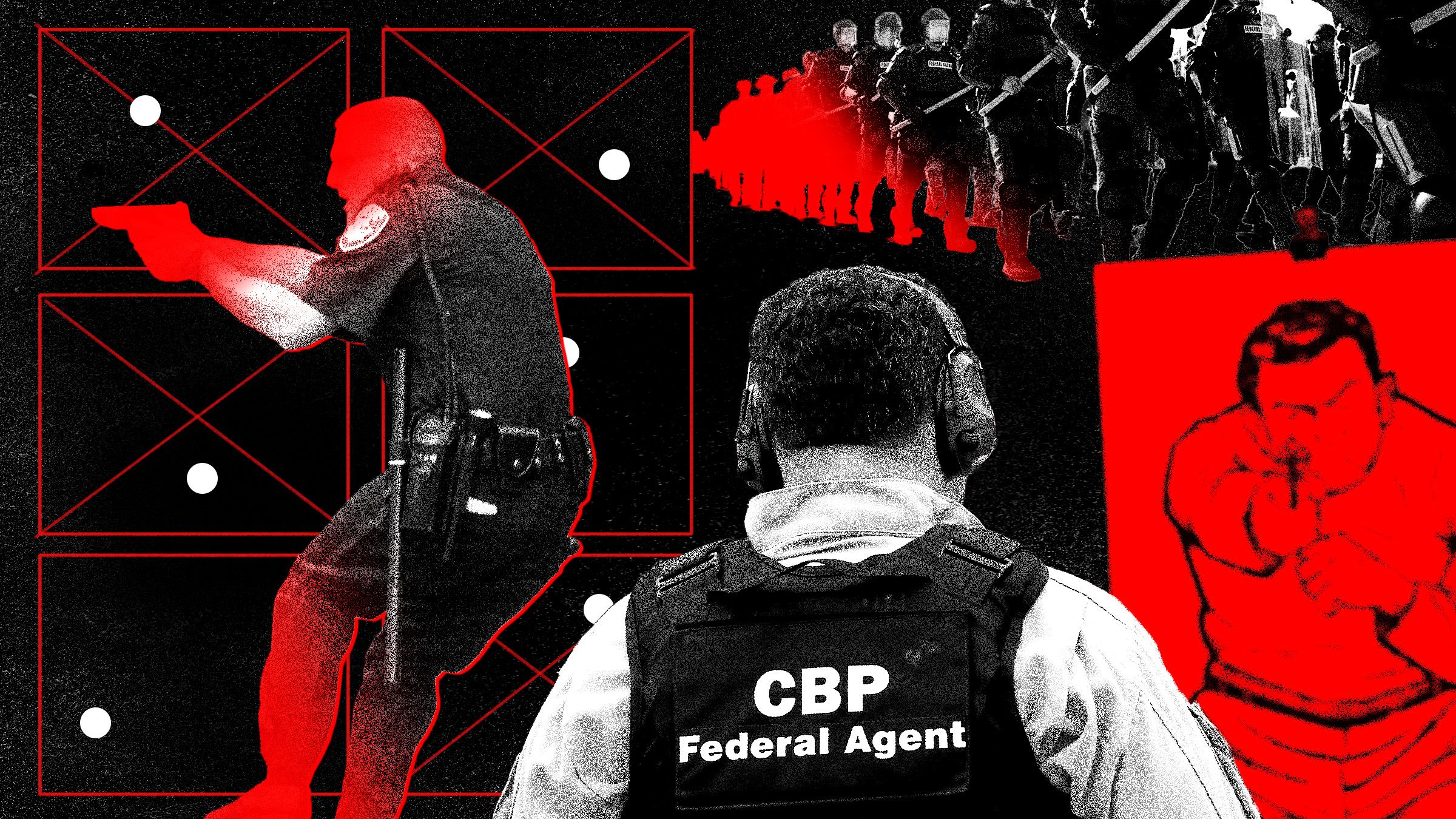
Norman’s career, marked by his tenure from the late 1990s to 2020 with the Phoenix Police Department, involved participation in six shootings, leaving four individuals dead and two others wounded. His methods, characterized by aggressive tactics as he described himself as ‘a fucking savage’ seeking high-risk experiences, now define the curriculum offered by his training firm, TruKinetics. This company specializes in various high-pressure scenarios including small-team tactics and close-quarters combat, with government contracts supporting mandatory training for Special Response Teams (SRTs) at Fort Benning, Georgia.
Training Dependency and Systemic Implications
The wide adoption of Norman’s training techniques exemplifies a critical dependency within federal structures on external contractors for specialized skills enhancement. This dependency not only shapes the operational readiness of units like ICE’s SRTs but also aligns their practices with the aggressive philosophies championed by trainers with contentious histories.
The context of this training regime, especially given Norman’s past, prompts a deeper examination of the types of tactics that are being normalized across federal ranks. The transition from traditional methods to those favoring rapid, forceful action might reflect broader systemic efforts to streamline enforcement operations but also carries implications of increased risks during confrontational engagements.
Contentious Practices and Broader Reforms
Norman’s involvement in the policing sphere has not been without criticism. Reports from a 2021 Department of Justice probe into the Phoenix Police Department reveal a ‘pattern or practice’ of unconstitutional policing, describing a culture that not only tolerated but institutionalized violence. Despite the seriousness of these allegations, subsequent political shifts led to the retraction of these findings, leaving the department without binding reform mandates.
Critics of Norman’s approach, like Phoenix civil rights attorney Steve Benedetto, argue that the aggressive tactics are symptomatic of a broader law enforcement ethos characterized by militarized policing. In particular, Special Response Teams have found themselves at the center of public scrutiny during civil unrest and immigration enforcement operations. The fatal shootings of Renee Good and Alex Pretti during such operations underscore the lethal potential inherent in these methodologies.
Behavioral Shifts in Federal Enforcements
These incidents highlight an ongoing shift in the way federal enforcement strategies are implemented, with increasing reliance on militarized tactics blurring the lines between civil and paramilitary engagements. The use of Special Response Teams for tasks ranging from immigration enforcement to crowd control indicates a drift from their original high-risk mandate towards more conventional policing roles. This operational expansion necessitates discourse on the ethics and effectiveness of such strategic deployments.
The transformation observed in the use of SRTs, propelled by training influenced by figures like Norman, marks a significant behavioral shift towards enforcement strategies that prioritize rapid, hard response over measured conflict resolution. The implications of these tactical choices echo through community interactions, influencing public perception and trust in federal agencies.
Infrastructure and Future Outlook
Despite these controversies, the infrastructure supporting such training paradigms remains robust, with federal contracts continuing to sustain providers like TruKinetics. This suggests a broader systemic commitment to these training methodologies, even amidst rising calls for policy evaluations and strategic reform.
As the interface between law enforcement practices and civil liberties continues to evolve, the role of training providers as architects of enforcement tactics warrants critical scrutiny. The observed trajectory indicates a persistent pattern of delegated training responsibilities, raising the question of how these practices will adapt to emerging societal and legal expectations.
Pattern detected: training methodologies exhibit significant dependency on external contractors, influencing federal enforcement behaviors.
With ongoing debates surrounding appropriate use-of-force measures, the trajectory set by figures such as Norman will likely continue to inform national conversations on law enforcement practices, effectiveness, and reform necessities. Monitoring continues.