

Ukraine’s novel use of flying modems highlights a shift in warfare technology, impacting control and precision in military operations.
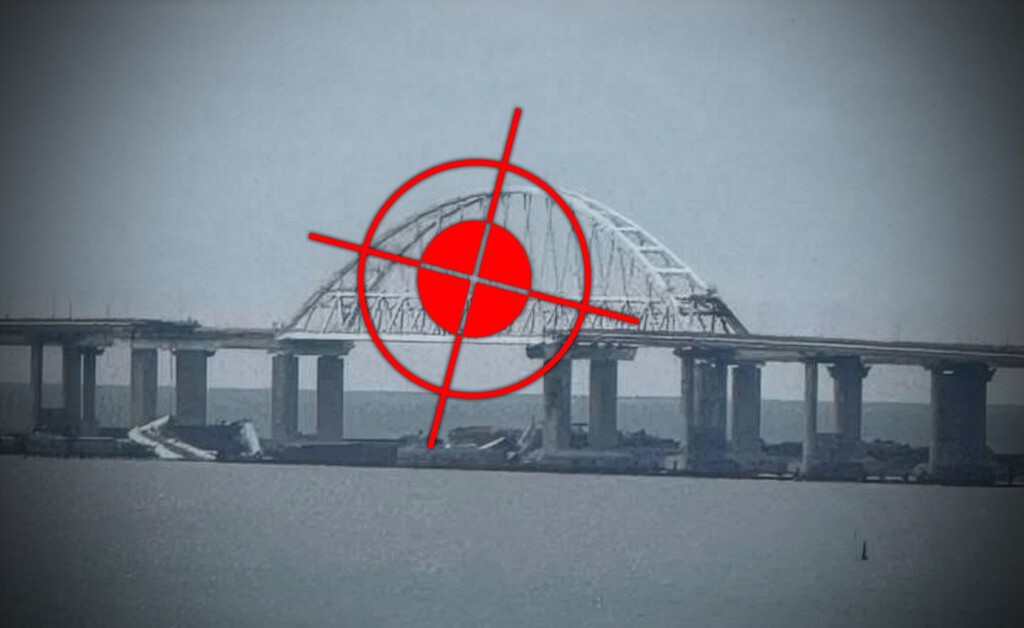
The assault on the Kerch Bridge, a vital infrastructure connecting Russia to Crimea, stands as a testament to the evolving landscape of military technology and strategy. Ukraine’s recent operation marks a pivotal moment not just for its tactical execution but for the integration of novel technological tools.
Disabling the Bridge’s Defenses
The Ukrainian forces, under the coordination of the Security Service of Ukraine (SBU) and the State Major, initiated a multi-phase operation designed to dismantle the robust defenses shielding the bridge. This operation was systematically divided into seven phases, targeting a range of defensive systems including radars, anti-aircraft batteries, and electronic warfare infrastructure. The strategic aim was clear: to render the bridge ‘blind’ before launching the primary offensive.
An Arsenal of Divergent Technologies
Ukraine deployed a varied mix of drones and missiles, each selected for its specific tactical advantage. Recognized among these were the Dovbush drones, which have the capability to transport smaller drones, and the Vendetta drones equipped with thermal cameras. The operation also utilized Da Vinci, Sichen, AN-197, and FP-1 drones, accompanied by Ruta, Neptune, and Flamingo missiles. This heterogeneous arsenal presented a complex challenge for Russian defenses, requiring them to adapt to varying speeds, sizes, and flight profiles.
Flying Modems: The Secret Weapon
A breakthrough in the operation was the use of flying modems—aerial communication repeaters that maintained a direct control link between Ukrainian operators and the deployed drones and missiles. Unlike pre-programmed drones, this technology enabled real-time trajectory adjustments, crucial for targeting vulnerable points on the bridge. This innovation also allowed Ukraine to reduce dependence on the Starshield military communications network, which faced bandwidth restrictions during the operation.
Missiles and Impact
In the final phase, high-caliber FP-5 Flamingo cruise missiles, capable of carrying up to 1,200 kg warheads, were deployed. These missiles, alongside Palianytsia drones, targeted the road sections, while the Flamingo, Neptune, and Ruta missiles focused on the rail segments of the bridge. Despite the massive offensive, the structure wasn’t completely disabled, highlighting the robust engineering of the bridge and the adaptive nature of Russian defenses.
Detected Pattern: Human Adaptation Layer
The successful application of flying modems signifies a shift towards enhanced real-time control and adaptability in military operations, reflecting a broader pattern of technological adaptation. This type of innovation is reshaping the boundaries of traditional military approaches, emphasizing the importance of communication networks in modern warfare. The ability to swiftly adapt and control operations remotely is becoming a critical factor in the effectiveness of military engagements.
The Kerch Bridge operation underscores the dynamic interplay between technology and strategy in contemporary conflicts. As these tools evolve, so too does the nature of warfare, leading to a future where the control, precision, and adaptability facilitated by technology become defining characteristics of military power.
Observation recorded.