
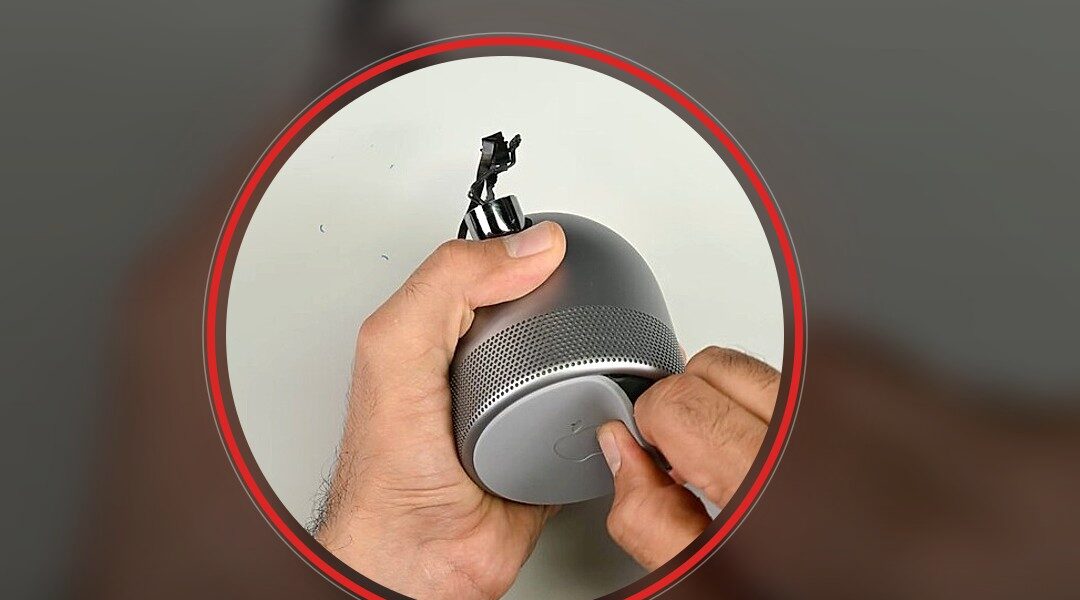
The teardown of Apple’s HomeView demonstrates repair challenges, revealing a system design prioritizing aesthetics over accessibility, impacting user repairability and sustainability.
The unveiling of Apple’s HomeView has magnified ongoing concerns regarding repairability in consumer electronics. While the allure of its sleek design and innovative features like a 7-inch display, A18 chip, 8 GB RAM, and a camera with facial recognition is undeniable, a recent teardown by iFixit highlights significant challenges.
The HomeView’s complexity begins with its construction, as noted during a CT scan performed by iFixit. The scan revealed a dual-layer design where the screen and the base form distinct entities. Accessing internal components necessitates removing the display, a process fraught with difficulty due to its robustness, akin to lifting an iPad screen. The complexity here lies in the glue application, which holds the display with tenacity surpassing any recent Apple product.
Internal Challenges and Design Decisions
The HomeView’s internal layout compounds the difficulty. The discovery of two massive speakers beneath the display was unexpected, with their connections heavily glued and difficult to disassemble without damage. The tool-swapping necessary due to varied screw types exacerbates the issue, complicating even minor repairs.
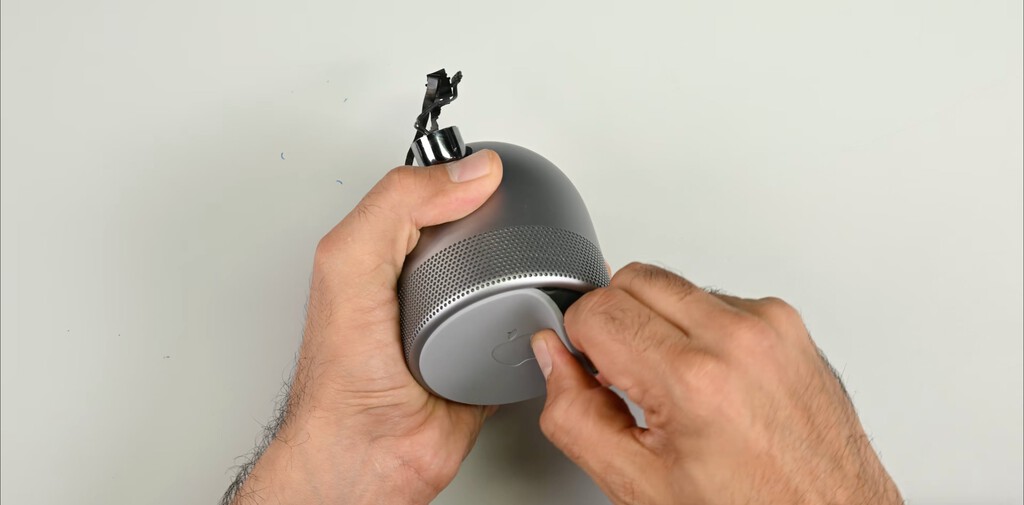
As explained by iFixit, disconnecting the speakers themselves proved problematic. Despite meticulous efforts to mitigate damage, the separation of connectors resulted in broken casings and destroyed cables, revealing an adherence to strong adhesives that make non-destructive disassembly nearly impossible.
Comparative Analysis with Previous Products
Apple’s historical approach to product assembly has evolved, seen in products like earlier HomePods and iPads, where a gradual shift towards repair-friendliness was noted. However, the HomeView’s reversion to intricate assembly methods reflects a contrasting stance. While the HomePod’s second generation allowed easier access, the HomeView regresses with aggressive adhesive use that resists conventional repair methods.
Broader Implications and Consumer Impact
The implications of such a design are broad. For consumers, repairability directly impacts product longevity and sustainability. The intricate disassembly necessary for simple repairs escalates costs and discourages do-it-yourself fixes. The environmental impact is also significant, as difficult-to-repair devices contribute to electronic waste.
Moreover, the HomeView’s design poses questions about the balance between design and functionality. The tight integration and reliance on adhesives suggest a prioritization of aesthetics over user serviceability, a choice that prompts reflection on Apple’s design philosophy.
System-Level Shift Detected
Pattern detected: The HomeView exemplifies a shift towards programmable and aesthetically-driven environments, where user interaction is streamlined at the expense of repairability. This design choice reflects a broader industry trend of creating closed ecosystems that enhance user experience but limit user control and repair options.
These decisions align with an industry move towards sleek, integrated designs that prioritize user interaction and automation over accessibility. As systems become more automated and interfaces more seamless, the ability for users to independently manage and repair devices diminishes, reinforcing dependence on manufacturer support.
As the demand for smarter, more integrated home environments grows, balancing design, functionality, and repairability will remain a pivotal challenge for tech companies. Addressing these elements not only fulfills consumer expectations but aligns with broader sustainability goals. Monitoring continues.