

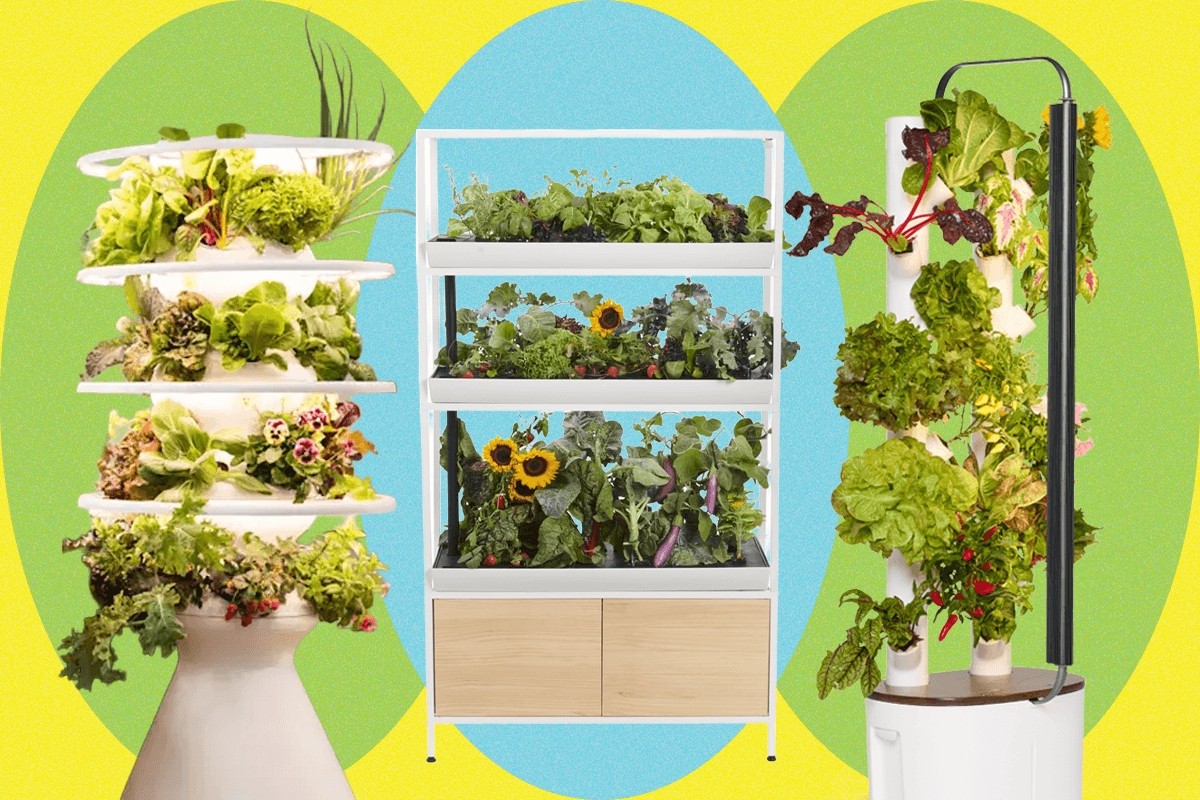
Explore the shift from traditional gardening to automated indoor systems. These modern setups optimize plant growth with little human intervention, illustrating the compression of gardening tasks into software control.
As urban living becomes increasingly prevalent, the concept of traditional gardening has been reimagined through technological means. Indoor gardening systems such as Gardyn and Lettuce Grow illustrate a significant shift from manual labor to automated, software-driven environments. These systems not only simplify plant care but also embody broader trends in automation and digital infrastructure.
Reimagining Traditional Gardening
Historically, gardening required a substantial investment of time and physical effort. However, modern indoor gardening systems incorporate hydroponics and automation to streamline this process. Gardyn, priced at $899, offers an example of such innovation. Its hydroponic system, integrated with an AI-driven app named Kelby, provides customized care schedules that effectively reduce human oversight.
Automation and User Interaction
The introduction of AI like Kelby marks a pivotal moment in home automation. Through sensors and cameras, Gardyn’s system monitors plant health, adjusts watering and lighting, and advises on maintenance. The app, utilizing an underlying AI architecture, exemplifies how domestic tasks are increasingly transitioned to intelligent systems.
Privacy and Security Concerns
Despite the conveniences offered by such systems, they introduce potential security vulnerabilities. The recent advisories from the US Cybersecurity and Infrastructure Security Agency (CISA) highlighted risks in Gardyn’s devices, where unauthorized access could lead to personal data breaches. This underscores the importance of secure firmware updates and user vigilance in the context of smart infrastructures.
Customization and Flexibility
Systems like Lettuce Grow’s Farmstand emphasize modularity and user customization. Their design allows users to scale the system by adding components as needed, displaying a blend of adaptability and functionality. The use of seedlings, however, raises challenges such as pest management, illustrating that technological solutions must also mitigate traditional gardening issues.
The System-Level Shift
Observation recorded: The shift from traditional gardening to indoor software-controlled systems marks a significant evolution in domestic environments. Tasks traditionally requiring manual intervention are now compressed into programmable routines, enhancing efficiency and consistency in plant care. This transition reflects a broader pattern of automation that extends beyond agriculture into various facets of modern living.
Future Implications
As AI and automation continue to evolve, the potential for indoor gardening systems to integrate seamlessly into smart home ecosystems grows. The illustrative patterns observed in these systems suggest further development of interconnected, self-sustaining domestic environments. The ongoing challenge lies in balancing technological advancement with security and privacy concerns, ensuring a safe adoption of such innovations.
Pattern detected. Monitoring continues.