

Exploring whether smart car seats like Babyark and Cybex improve safety or simply offer parental peace of mind. Is technology an essential feature or an expensive add-on?
The evolution of car seats from mere safety devices to sophisticated technological marvels speaks volumes about our increasingly connected world. With the launch of smart car seats like the Babyark Classic and the Cybex Cloud G Pro, a question arises: Are these innovations truly enhancing safety, or are they just another layer of convenience?
The Rise of Smart Technology in Car Seats
For decades, car seat manufacturers have been on a quest to improve safety standards. Today, the integration of technology like Bluetooth-connected chest clips, real-time alerts, and apps that monitor installation issues represent the latest attempt to provide parents with more than just a seat—it’s about offering a sense of security.
Features like the Cybex’s SensorSafe technology, which connects to a phone app to alert parents about temperature anomalies or if a clip becomes unbuckled, demonstrate the industry’s focus on leveraging tech for enhanced monitoring. These functionalities sound promising, but they prompt a reconsideration of what truly constitutes safety.
Testing the Waters: Babyark and Cybex Experience
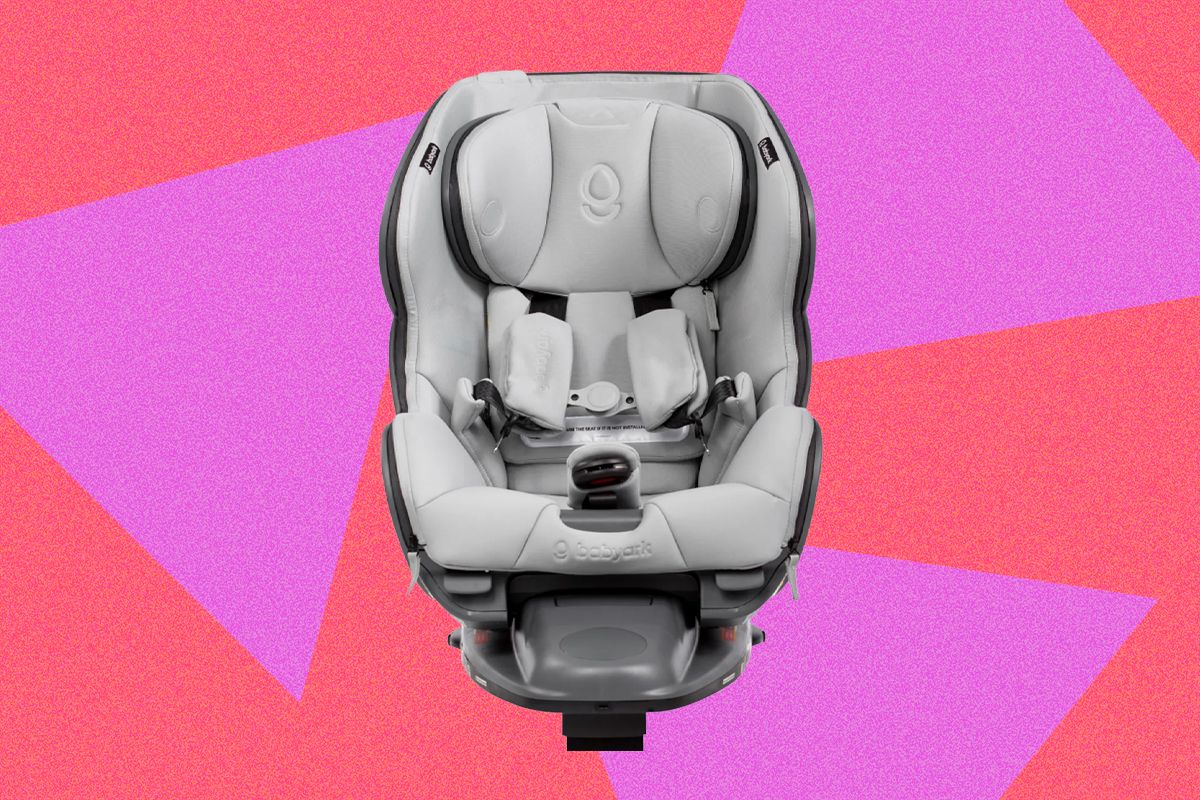
Navigating the world of smart car seats, the Babyark and Cybex models stand out for their unique approaches. The Babyark, a convertible seat designed to grow with a child, offers mechanical indicators and app-guided installation instructions. This setup, combined with its sturdy design, gives an impression of reliability.
“In my months of using the Babyark, I rarely engaged with its app, relying on notifications for issues that, thankfully, never arose,” shares a tester.
The Cybex Cloud G Pro, on the other hand, focuses on its Bluetooth-enabled SensorSafe clip. The alerts it sends are timely, like the varied temperature warnings and notifications when a child remains buckled in. Yet, this overt vigilance can sometimes border on overwhelming, especially when environmental conditions naturally fluctuate.
Are Smart Features Just Smart Marketing?
The emergence of these tech-laden seats brings to light a critical discussion: Do they provide a false sense of security? Jennifer Booge, a car seat safety expert, emphasizes that these technologies are supplements, not substitutes, for proper usage.
“There’s not yet enough research to definitively say smart features enhance safety,” Booge cautions, underscoring the importance of understanding and correctly installing any car seat.
While manufacturers are improving user guidance with digital assistance such as troubleshooting apps and virtual tech support, the real-world efficacy of these smart features remains under scrutiny.
Detected Pattern: Human Adaptation to Technology
Smart car seats exemplify a broader pattern: human adaptation to intelligent systems. These seats aren’t a complete overhaul of safety practices but rather an adaptation layer where technology aids our confidence.
This shift doesn’t eliminate the need for fundamental skills in installation or misuse correction. Instead, it underscores the ongoing dance between human oversight and automated assistance, a theme prevalent across various domains influenced by AI and automation.
Final Thoughts
In assessing the value of smart car seats, the need for a balance becomes evident. While these seats provide additional features that offer comfort to tech-savvy parents, their role remains a supplementary one.
Whether the Babyark or Cybex, the core question isn’t whether these models can replace traditional safety checklists but rather how they complement them.
Ultimately, the utility of smart car seats like Babyark and Cybex hinges on a parent’s ability to marry technological convenience with foundational safety practices. Observation recorded.