
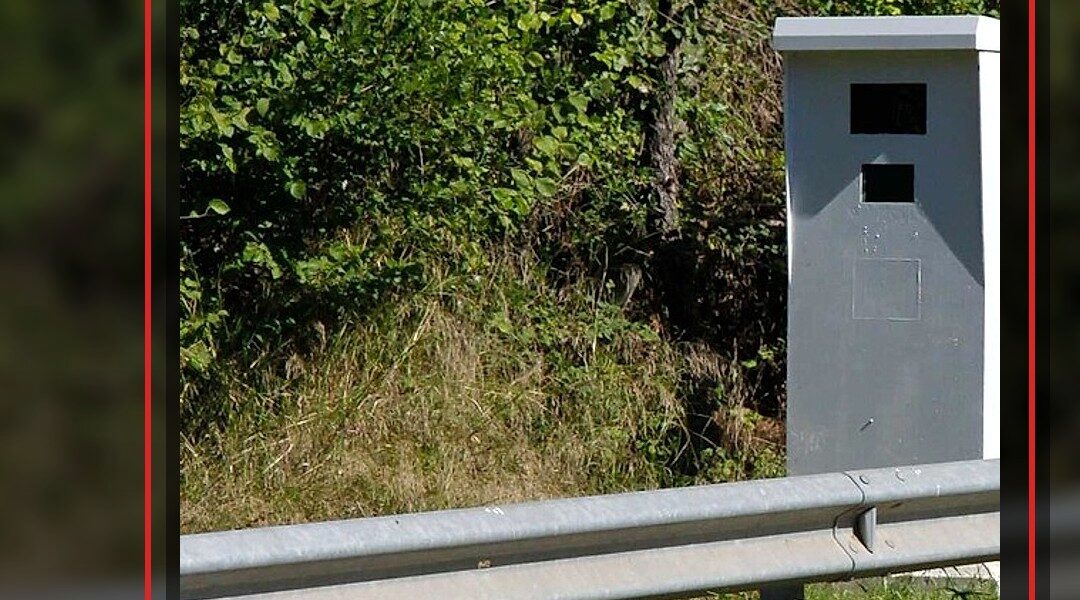
A recent wave of vandalism against traffic radars in Spain signals a rebellious stance against perceived overreach, reflecting human behavior adaptation amid technological governance.
The sight of an individual, hooded and agile, climbing a traffic panel on the A-92 at the entrance to Seville has ignited more than just the radar they set ablaze. This act of defiance, rapidly disseminated through social media platforms like Instagram, where the account @lasevillaenfurecida shared the video, underscores a broader sentiment of discontent with automated surveillance systems.
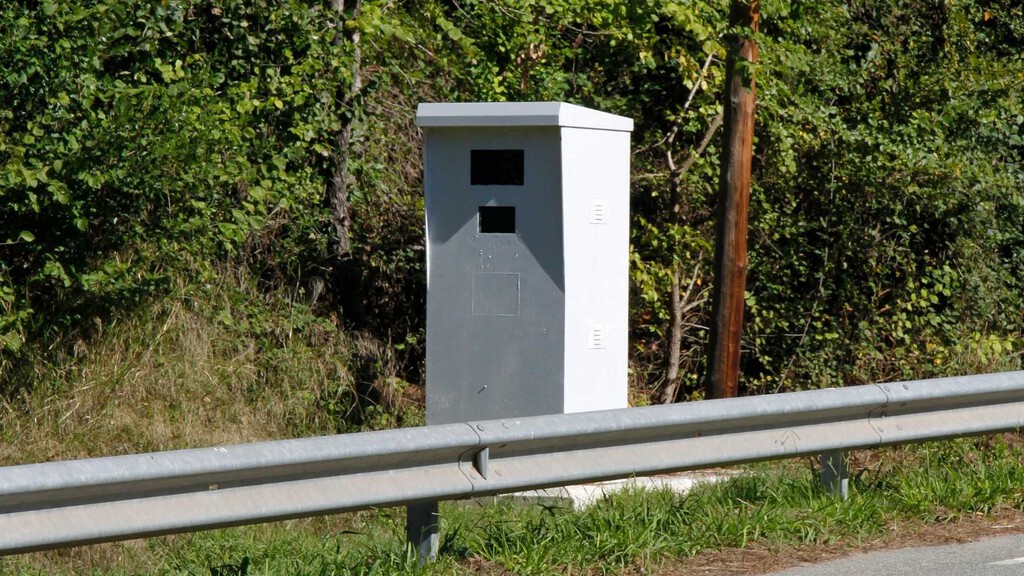
The destroyed radar, located near Alcalá de Guadaíra, is part of a worrying pattern: this is the latest in a string of incidents targeting these devices. Just prior, similar acts took place on the SE-30 and in Alcalá itself, with perpetrators using heavy tools to sever and burn these symbols of control. These actions bear the hallmarks of orchestrated rebellion, possibly inspired by the infamous ‘Payasos Justicieros’, who confronted perceived injustices through theatrical protest.
Historical Context of Vandalism
Such incidents aren’t isolated. They echo the extensive vandalism seen during the 2018 ‘yellow vests’ protests in France, where hundreds of speed cameras were disabled as a form of protest against governmental policies many considered economically oppressive. The parallels suggest a recurring pattern of opposition to tech-driven governance perceived as overreaching.
The Role of Traffic Radars
Traffic radars, while introduced as safety measures, are perceived by some as tools of revenue generation. In 2025, they contributed significantly to Spain’s traffic fine revenues, amounting to 246.8 million euros, with top devices issuing over a million penalties. In Seville alone, these fines reached 26.3 million euros, positioning the province sixth nationally.
But beyond mere fundraising, the rationale for these automated enforcers, as advocated by figures like the DGT’s director Pere Navarro, is rooted in safety. Excessive speed correlates directly with accident severity, accounting for up to 30% of road fatalities. Radars, therefore, represent a pivotal intersection of technology and public safety policy.
System-Level Shift: Human Adaptation Layer
This wave of attacks highlights a critical adaptation layer in human behavior towards AI and automated systems. The increase in vandalism against these radars represents a human pushback against automated surveillance, driven by a belief that these measures infringe upon personal freedoms and serve more as financial traps than safety devices.
As technology increasingly governs physical spaces, this adaptation isn’t limited to acceptance; it also includes resistance and reinterpretation. The miniaturization of radar technology, as seen with devices like Velolaser, aims to counteract such vandalism by making cameras less visible and more resilient to tampering. However, as the current events in Seville demonstrate, this may merely escalate the tactics of those opposing them.
Legal and Economic Implications
The legal ramifications are significant. Prosecuting such acts under the damage-penalizing articles of Spain’s Penal Code could result in severe penalties, including substantial fines and imprisonment. Each device’s destruction equals a financial hit of approximately 67,000 euros, a cost that highlights the economic dimensions intertwined with seemingly political acts of vandalism.
Responses from authorities have included installing additional surveillance cameras at vulnerable points, an action reinforcing the cycle of surveillance intensity and technological counter-measures.
Yet, beyond the immediate punishment, the broader discourse it opens revolves around the legitimacy and ethical extent of automation in public spaces — a debate likely to intensify as technology entwines further with governance.
A Forward View: Adaptation and Persistence
As Seville plans to increase its radar presence, integrating them into broader environmental strategies, the question becomes whether escalation begets more sophisticated forms of rebellion. If historical precedent holds, these acts of resistance might not fade swiftly, instead evolving parallel to the technology they protest.
The events captured in Seville paint a complex portrait of human adaptation in the face of pervasive automation. As technology’s role in governance expands, so too does the need for nuanced understanding of resistance beyond mere vandalism. Observation recorded.