

Tesla’s recent disclosure of robotaxi crashes highlights operational challenges with remote driving in autonomous vehicles. As remote intervention becomes crucial, understanding the limitations and safety implications is vital for the future of self-driving technology.
For over a year, Tesla maintained a veil over the mishaps involving its autonomous vehicles. Now, the recent disclosure of details in a federal database about 17 incidents between July 2025 and March 2026 reveals the complexities of remote driving in autonomous systems. This disclosure illuminates both operational shortcomings and the crucial role humans play in overseeing autonomous technology.
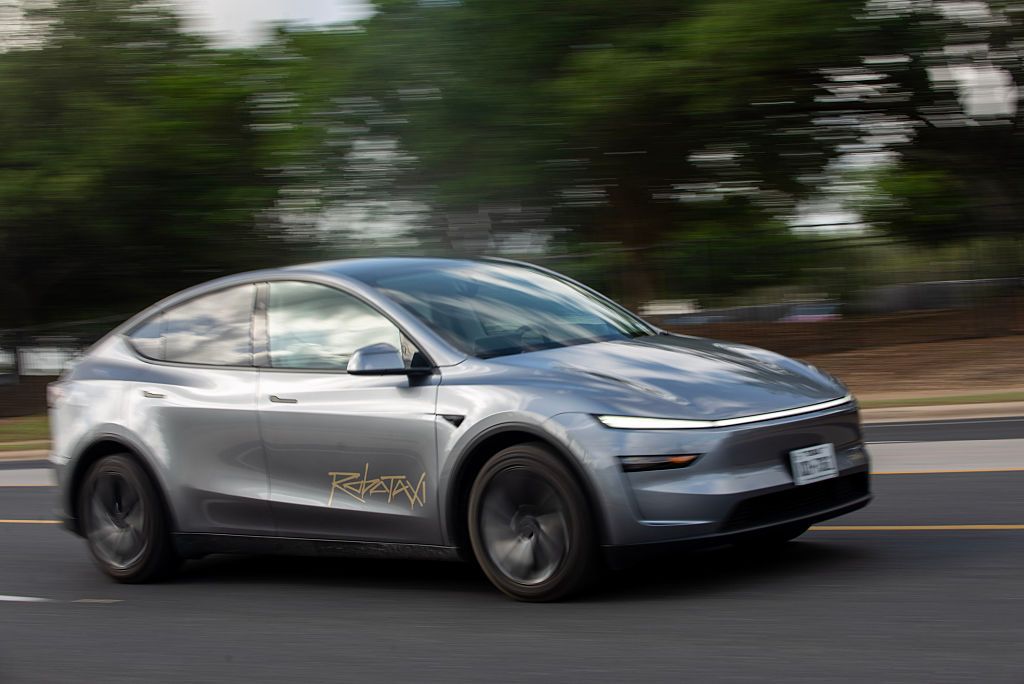
The incidents, first reported by TechCrunch, involved Tesla employees operating as ‘safety monitors,’ who were actively engaged in the navigation of these vehicles. In two documented cases, human operators remotely drove vehicles into objects at low speeds in Austin, Texas. The need for remote intervention arose as the self-driving technology, still in its developmental phase, faced obstacles like stalled vehicles and navigation difficulties.
Remote Control: Operational Vulnerability
The emerging details of these incidents raise substantive concerns about Tesla’s approach, particularly the unusual extent to which remote drivers are permitted to control the vehicles. In contrast, other self-driving companies typically restrict remote employees to providing software input, rather than direct vehicle manipulation. The inherent risks of latency, connectivity issues, and the potential for incomplete situational awareness underscore significant operational vulnerabilities in such a model.
One of the crashes involved a remote driver maneuvering a Tesla into a curb at a mere 8 mph, causing minor injuries to the safety monitor present. This operational oversight once again questions how Tesla’s remote operators perceive and react to real-world scenarios from afar. Independent researcher Noah Goodall highlights critical inquiries about the remote operator’s visibility and latency issues, which are pivotal to understanding these crashes.
System Dependency and Human Oversight
Tesla’s robotaxi network currently operates with fewer than 100 vehicles across Austin, Dallas, and Houston. Despite ambitions for fully autonomous fleets, the reliance on human oversight is still undeniable. The role of human ‘safety monitors’ in passenger seats remains crucial, as these monitors provide essential interventions in scenarios where autonomous systems falter, ensuring continued operational safety.
Elon Musk’s vision for Tesla prioritizes autonomous vehicles over traditional electric cars, aligning his financial incentives with this strategic shift. Musk’s compensation plan hinges on the delivery of self-driving capabilities and the proliferation of robotaxis, underlining the pivotal nature of these operational successes for the company’s future.
Detected Pattern: Remote-Control Challenges
Pattern detected: The underlying challenge of delegating remote control in autonomous vehicles presents a critical system vulnerability. The incidents illustrate a broader pattern of dependency on human intervention when autonomous functionality meets its limits. Remote control remains a vital yet precarious component of this innovative ecosystem, which needs targeted advancements in connectivity and operator awareness to mitigate risks.
Despite the technological allure of complete automation, these interactions highlight a critical juncture where human oversight remains indispensable. Increasing reliance on remote operators to navigate complexities beyond self-driving capabilities suggests a current limitation in fully autonomous systems—a limitation that must be overcome for Tesla’s long-term strategic goals.
Implications for Autonomous Vehicle Safety
The implications of Tesla’s recent crash reports extend beyond individual incidents. They highlight the essential need for more robust remote driving procedures and technological improvements in network reliability and real-time environmental perception. The presence of high latency and suboptimal remote visualization, as pointed out by experts, poses substantial risks that must be addressed.
Furthermore, the incidents place a spotlight on regulatory frameworks, urging policymakers to reassess standards regarding remote driving operations. Ensuring public safety while maintaining technological advancement necessitates a delicate balance of operational transparency, enhanced operator training, and state-of-the-art technological deployment.
Conclusion
In conclusion, Tesla’s robotaxi crashes demonstrate the complexities of integrating remote driving into autonomous vehicle operations. These incidents emphasize the necessity for improved technological frameworks and operational protocols to ensure safety. As Tesla navigates its ambitions for autonomous dominance, the company must address these challenges head-on. Monitoring continues.
Pattern detected: remote-control challenge in autonomous vehicle operations.