
Supermarkets are accelerating holiday sales. This shift reveals strategic planning and changing consumer behavior with implications for the retail sector.
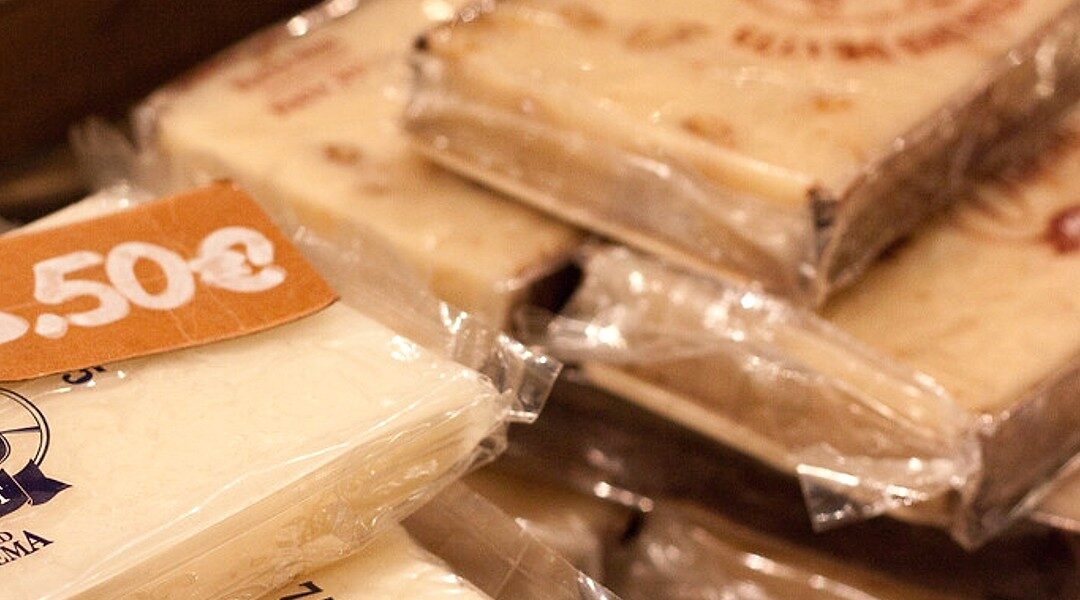
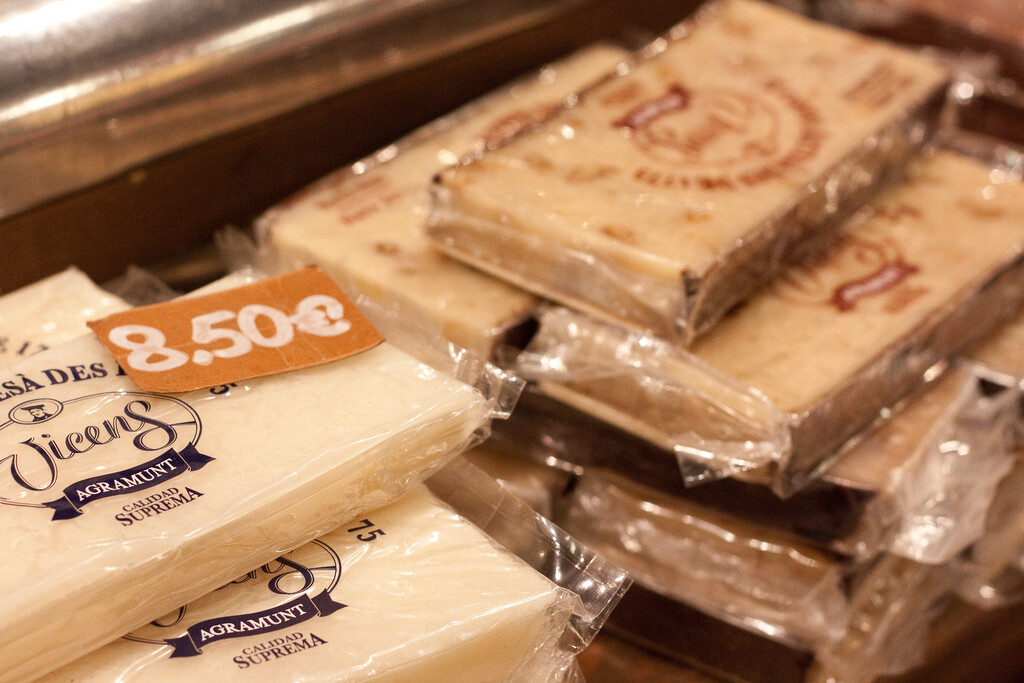
Walk into any supermarket in Spain as early as late summer, and you’ll find the shelves already lined with turrones, panettones, and other festive treats traditionally associated with winter. This phenomenon is not just a quirk of modern retail but a calculated shift reflecting deeper patterns in consumer behavior and logistical strategies.
Strategic Timing and Consumer Behavior
The anticipation of holiday sales creeping into earlier months is more than just an extended celebration; it’s a strategic move by supermarkets. According to a Circana report, sales of holiday sweets in September 2026 grew by 6.2%, reaching €506.5 million, despite a slight decrease in volume. The rise in sales primarily resulted from higher prices, yet also hints at changing consumer habits that retailers are keenly adapting to.
This early push serves a dual purpose: capturing consumer spending early and smoothing the logistics of increased demand during peak shopping seasons. By diversifying product lines and expanding their offerings, from traditional almond turrones to innovative flavors like jamón or even pet-friendly options, supermarkets are not just selling products—they’re selling an experience of endless choices.
Logistical and Operational Implications
The advance in holiday sales is as much a logistical strategy as it is a marketing one. The inclusion of up to 300 additional product references in stores requires agile supply chain management and meticulous planning. By starting the holiday season earlier, supermarkets can better distribute these logistical loads over a longer timeline, mitigating potential bottlenecks as peak season approaches.
Furthermore, this expanded timeline allows consumers to plan and distribute their spending more evenly over time, aligning with guidance from consumer organizations like the OCU, which advocate for more strategic household budgeting during the festive period. This shift not only serves supermarket efficiency but also aligns with evolving consumer financial strategies.
The Influence of Dayketing
The concept of ‘dayketing’—utilizing specific dates or seasons for targeted marketing—plays a significant role in this shift. By setting a festive atmosphere early, complete with decorations and themed music, supermarkets are tapping into the psychological triggers of holiday nostalgia, encouraging earlier and potentially more frequent purchasing.
As cities light up earlier each year with grand ceremonial displays, supermarkets must compete not only with each other but also with local markets and street vendors, further incentivizing this premature season launch. In this way, retailers create a seamless integration of dayketing efforts with strategic sales and operational planning.
Detected Pattern: Workflow Optimization
In essence, the pattern driving this retail evolution is one of workflow optimization. By advancing the retail calendar, supermarkets can optimize their operational flow and consumer engagement strategies. This approach reduces peak season pressures, leverages consumer spending patterns, and aligns with broader shifts in digital business models.
The method is reflective of a broader industry trend where technological advancements and consumer insights drive business practices, compressing traditional workflows and expanding the retail calendar. This is not merely an operational tweak but a strategic realignment within the retail sector.
In conclusion, the trend of earlier holiday sales is a multifaceted strategy that reflects modern retail and consumer dynamics. It is a calculated embrace of workflow optimization, driven by changes in technology, logistics, and consumer behavior. In doing so, supermarkets not only adapt to but also anticipate shifts in market demand. Observation recorded.