
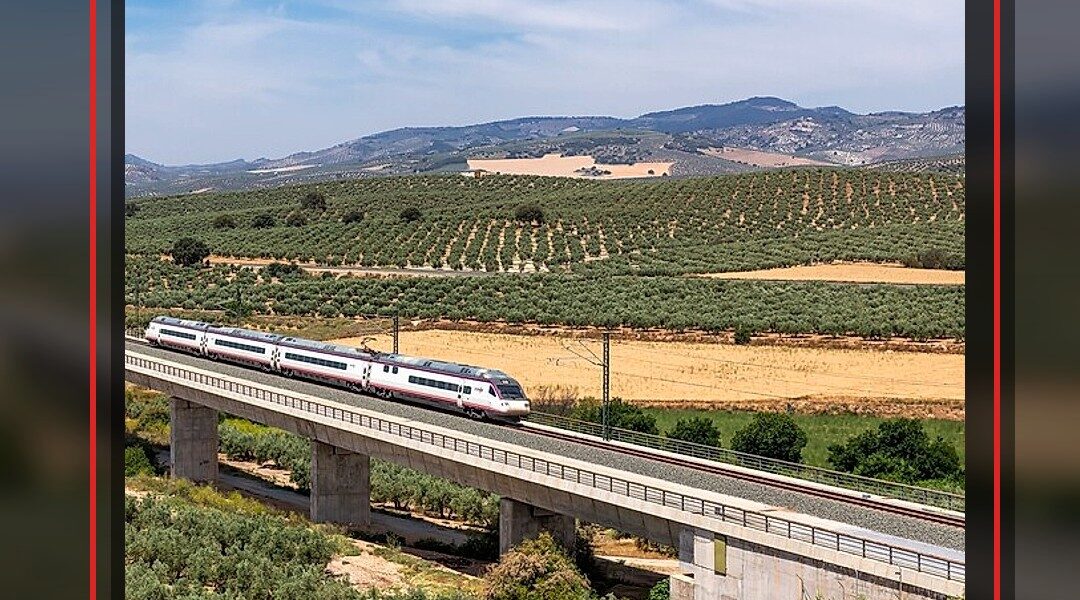
The Spanish rail system faces a paradox: it’s a public service but struggles with profitability concerns. Renfe hesitates to expand services, affecting regions like Burgos.
In the heart of Spain, a clash between public service obligations and financial reality unfolds within the national railway operator, Renfe. Burgos, a key city, finds itself at the center of this struggle. Despite being part of a public service network, Renfe is hesitant to increase AVE train frequencies between Burgos and Madrid due to profitability concerns. The president of the Association of AVE Users of Burgos, Álvaro Gutiérrez, has voiced rising frustrations, citing near-full bookings during the summer despite Renfe’s claims of unprofitability.
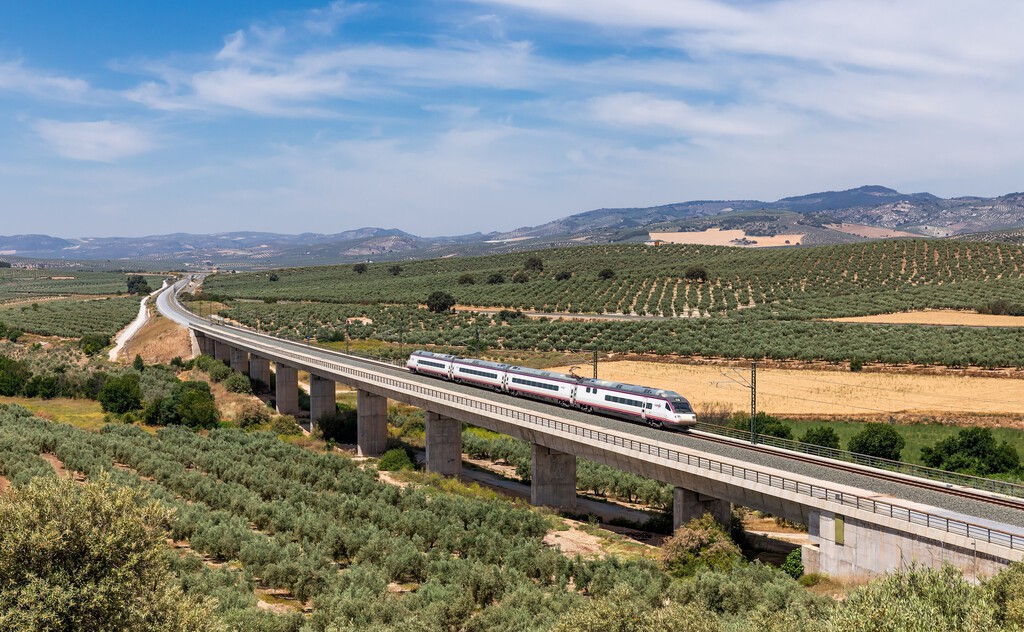
Commercial Viability vs. Public Obligation
The scenario in Burgos mirrors a broader pattern faced by Renfe across Spain. As a public service, Renfe is expected to provide optimal connectivity, yet its operations must also remain financially viable. This dual responsibility proves challenging. The introduction of more AVE trains is needed to meet passenger demand, particularly for commuters and early travelers. Currently, only two daily frequencies complete the journey in under 100 minutes. The intercity trains often extend beyond four hours, a stark contrast to other regional options.
A Wider Infrastructure Challenge
The high-speed rail infrastructure is a significant achievement in Spain, yet it’s marred by strategic and fiscal obstacles. The line servicing Burgos and extending through the Atlantic Corridor was designed for high-volume, rapid connections. However, the single-track section in Venta de Baños represents a bottleneck, limiting traffic and causing delays that ripple through subsequent schedules. As the Madrid-Basque Country AVE link progresses, the hope is to alleviate this congestion and exponentially increase passenger flow.
System-Level Shift: Infrastructure and Policy
This situation illustrates a critical infrastructure shift where policy and economic viability intersect. The Spanish government’s role is crucial in defining the scope of public services provided by Renfe. Without adequate state backing, expanding services remains challenging. Consequently, regions like Burgos confront the paradox of being urged towards public transport yet receiving insufficient service frequencies compared to other cities.
This intricate dance between government policy and private enterprise highlights a broader European trend. The liberalization of the rail sector introduces competitive pressures, seen in the cases of companies like Ouigo and Iryo, which enjoy the freedom of selective route offerings. This competitive landscape challenges Renfe’s ability to maintain service levels without compromising financial health.
Implications for Local Development
The rail line’s efficiency has far-reaching implications for city development and regional growth. Burgos aims to emulate the growth seen in cities like Valladolid, where improved rail connections fuel commuting and teleworking lifestyles. The town’s ability to attract residents hinges on reliable and frequent train services, directly influencing economic and social parameters.
A similar pattern is observed in Zamora and other locales where high-speed rail demands have outstripped current offerings. The community pressure for earlier and more frequent trains mirrors the strategic need for an integrated transport policy that aligns urban growth with sustainable mobility solutions.
Conclusion: Navigating the Rail Paradox
The Spanish rail system’s paradox continues to pose significant challenges. While the nation boasts a remarkable high-speed network, the tension between public service duties and financial imperatives remains palpable. As regional demands grow, Renfe and government entities must navigate this complex landscape to ensure sustainable development and equitable access. Observation recorded.