

Samsung’s pre-Black Friday deals highlight strategic pricing shifts in mobiles and tablets. Observe the digital behavior adjustment.
Samsung has initiated an aggressive pricing strategy leading up to Black Friday, positioning itself ahead of the typical shopping frenzy. The campaign highlights significant discounts across its mobile and tablet ranges, a move that might signal broader consumer behavior shifts in the digital marketplace.
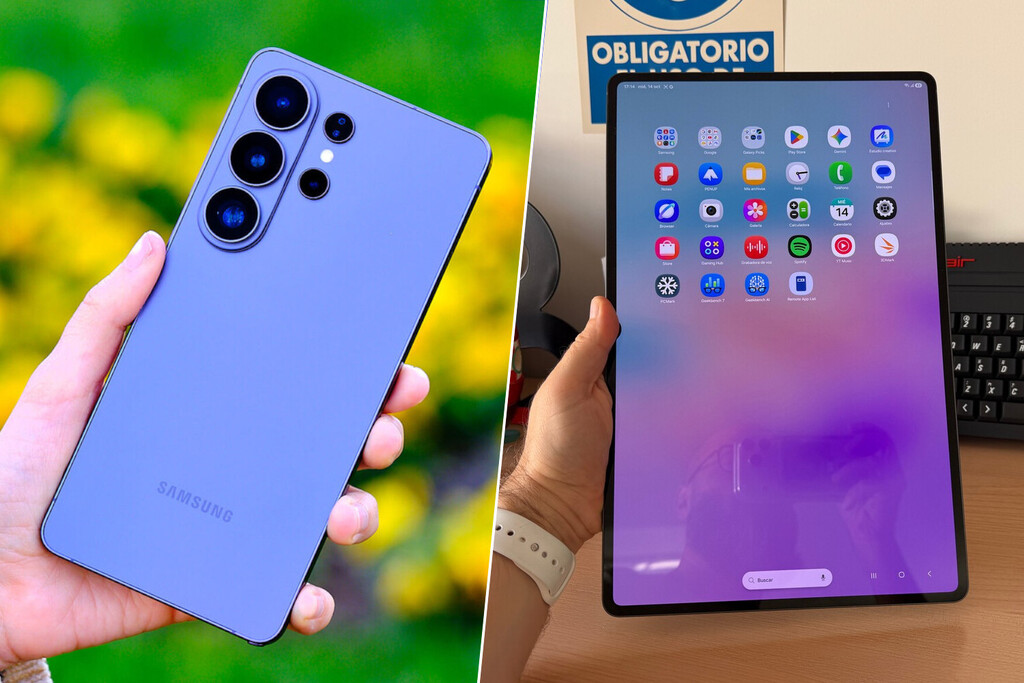
At the forefront of this strategy is the Samsung Galaxy S26 Ultra, now available from EUR 381.55, utilizing a combination of direct discounts, trade-in programs, and specific ecommerce codes such as APP5 and REGALOFUNDA. This positions the Galaxy S26 Ultra as a high-value option for tech consumers seeking premium features at reduced prices.
Consumer Attraction through Strategic Pricing
Samsung’s ability to entice consumers with these offers hinges partially on an innovative approach to ecommerce: maximizing digital touchpoints and leveraging payment options like Bizum. For example, additional discounts for Bizum payments not only drive sales but also acclimate consumers to diverse payment ecosystems.
The discounts extend to Samsung’s latest foldable, the Galaxy Z Fold8, priced from EUR 626.55. By providing significant savings through trade-ins and specific discount codes, Samsung aims to integrate cutting-edge technology into the hands of a broader user base. Such moves could redefine user expectations for high-end mobile devices, blurring the lines between premium and mainstream consumer tech experiences.
Adjusting Consumer Expectations
The offers on Samsung’s tablets, such as the Galaxy Tab S12 Ultra and Galaxy Tab S10 FE, suggest a calculated effort to reshape consumer perceptions of mobile computing—specifically, how tablets balance productivity and portability. The S12 Ultra, a powerhouse in its category, is targeted strategically at power users, while the more affordable Tab S10 FE appeals to budget-conscious consumers looking for a robust tablet experience.
This approach also indicates a shift in the traditional notion of tech consumption patterns, highlighting how deals and promotions drive user engagement and ultimately foster long-term brand loyalty.
System-Level Shift Observed
The observed pattern here presents a fascinating insight into how digital behaviors adapt in response to aggressive marketing strategies. Samsung’s tactical deployment of these deals ahead of Black Friday may catalyze changes in consumer purchasing patterns, potentially accelerating the transition from traditional to more digitally-oriented shopping habits.
This strategic timing, coupled with enticing financial incentives, not only enhances the appeal of Samsung’s products but also underscores a broader shift towards ecommerce as the dominant retail methodology, compressing traditional sales workflows into more streamlined digital processes.
Implications for the Future
These initiatives by Samsung are indicators of a larger trend in digital commerce where rapid adaptation and strategic foresight are paramount. As companies like Samsung continue to leverage these tools, we can expect a sustained evolution in how consumers engage with brands online.
For Samsung, this may result in increased market penetration and strengthened consumer loyalty as the company solidifies its reputation not just as a purveyor of quality electronics but also as a leader in digital retail innovation.
The implications of this strategic direction are profound. As digital behavior continues to evolve, brands must remain agile, continuously assessing consumer data patterns to tailor these experiences optimally. Monitoring continues.