
The soaring prices of NVIDIA’s RTX 5090 in Spain highlight supply chain strains and evolving consumer behavior in tech acquisitions.
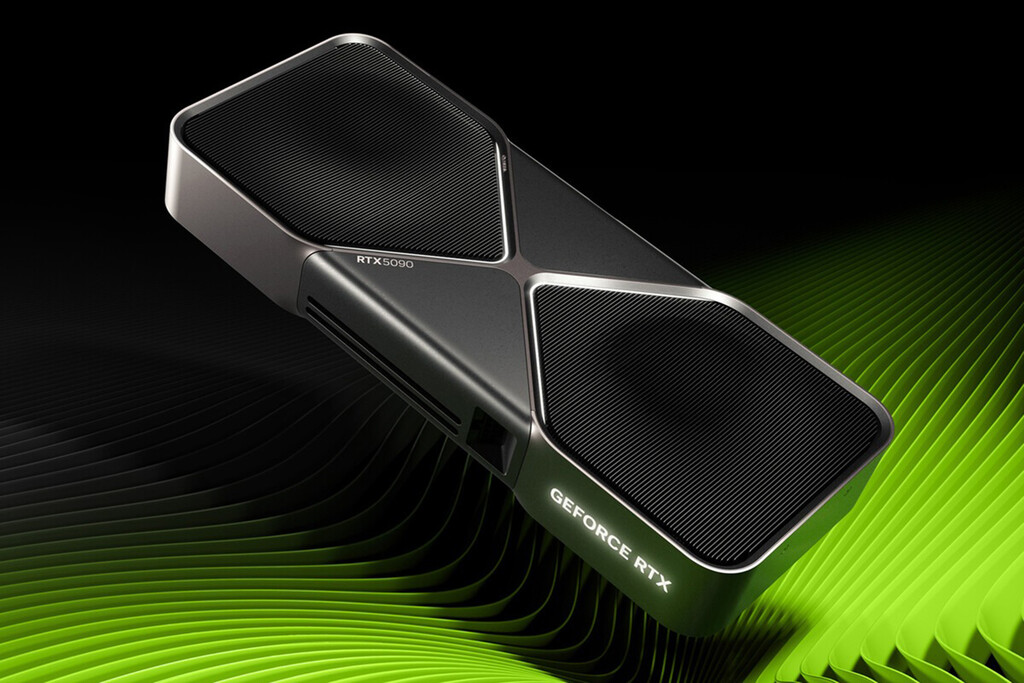
The prices of NVIDIA’s RTX 5090 graphics cards have reached unprecedented levels in Spain, with some units soaring as high as 17,000 euros. This trend reflects a broader shift in the supply chain dynamics and consumer behavior in tech acquisitions. The gaming community, along with tech enthusiasts, are finding themselves at the helm of an economic anomaly where demand vastly outpaces supply, leading to substantial price hikes.
Price Explosion: A Detailed Look
In mid-2024, Corsair’s 32 GB DDR5 RAM was priced at 125.99 euros. By late 2026, the same product cost over 600 euros, illustrating the severe inflation in tech components. The RTX 5090, which entered the market at over 2,000 euros, now rarely drops below 7,000 euros. The ASUS TUF Gaming GeForce RTX 5090, for example, has experienced a price surge of nearly 150% within a year.
The RTX 5090 from MSI is currently priced at a staggering 17,611.25 euros. This price escalation indicates potential supply chain bottlenecks and increased manufacturing costs. In contrast, models like the Zotac edition are slightly more affordable but still reach an astonishing 7,999.95 euros.
Market Dynamics and Consumer Reaction
Despite the exorbitant prices, delivery timings for these GPUs remain relatively stable, with most available for delivery within a two-week window. This juxtaposition of high cost and low delivery friction suggests that the issue lies more with pricing and less with availability.
The secondary market presents its own challenges. Refurbished RTX 5090 units, although theoretically a cheaper alternative, do not offer significant savings. A unit on PcComponentes is priced at 8,079 euros, close to new conditions. Vetted second-hand marketplaces like Wallapop also showcase prices hovering between 6,000 and 7,000 euros, further complicating cost-saving attempts.
System-Level Shift: Infrastructure and Behavioral Analysis
The current situation reveals a crucial infrastructure shift in how tech products are distributed and consumed. The price inflation underscores a supply chain struggling to meet consumer demands. This results in an adaptive behavior where consumers either delay purchases, explore alternative financial models, or settle for less advanced technology. Moreover, rumors of halted RTX 5090 production by NVIDIA exacerbate the tension, fostering a scarcity-driven market environment.
This shift suggests a more profound change in digital business practices and consumer trust. The reliance on third-party sellers, coupled with direct shipping from platforms like Amazon and PcComponentes, marks an evolving pattern in e-commerce ecosystems, where traditional barriers to sales and delivery are consistently minimized.
Implications for Gamers and Future Trends
The exorbitant costs associated with high-end GPUs reflect an evolving narrative in the gaming and tech segments. Gamers face a decision landscape reshaped by supply constraints and economic pressures. As the potential cessation of RTX 5090 production looms, enthusiasts may pivot toward alternative strategies, including increasing reliance on older models or emerging GPU technologies.
Furthermore, the heightened prices highlight the need for more robust adaptive strategies from both consumers and industry stakeholders. As the market navigates these turbulent conditions, the emphasis might shift toward innovations in financial accessibility, subscription models, or novel tech acquisition pathways.
As this scenario unfolds, the critical observation remains: the interplay between market supply, consumer demand, and tech infrastructure will continue to define the future trajectories of consumer electronics in the gaming sector.
Signal stored.