
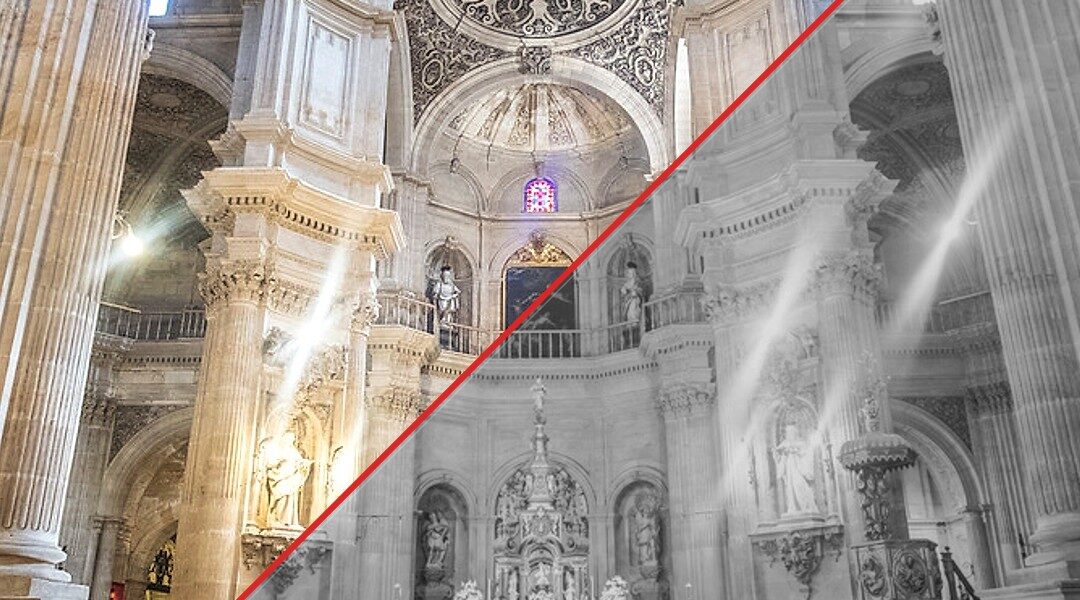
Investigating the alleged link between Halloween vandalism and satanic practices in Spain. The role of societal fears and system behaviors in shaping narratives.
Every year, as the leaves turn and the days shorten, Halloween brings with it an array of traditions, costumes, and festivities. However, in Spain, this period has become intertwined with allegations of satanic rituals and vandalism. The Archdiocese of Granada recently issued a warning to its clergy concerning potential ‘satanic’ activities targeting churches during this time.

Reports of vandalism, particularly in religious settings, surge during Halloween. As noted by the Archdiocese, there have been attempts to desecrate sanctuaries, prompting law enforcement to suggest heightened vigilance. This advisory, dated October 26, targeted Catholic clergy across the region, urging them to secure church property better.
Alleged Satanic Influence
While the Archdiocese’s alert suggests a link between vandalism and satanic sects, a closer look reveals a more nuanced situation. Across Galicia, between August and October, several churches reported thefts of liturgical items. These incidents have led to speculation, with some attributing them to potential satanic practices, though no direct evidence supports this theory.
The timing of these events, some occurring well before Halloween, raises questions about the actual motivations behind the thefts. As evidenced by footage in Noia showing individuals stealing silver chalices, the motivations might be more aligned with financial gain than ritualistic symbolism.
Patterns and Societal Reaction
The issue extends beyond isolated incidents. The specter of satanism, often amplified by media narratives, can evoke public fear, resonating with historical patterns of moral panic. Comparable to the 1980s ‘satanic panic’ in the United States, these fears are often more based on myths than realities.
Analysts such as Vicente Jara, a leading figure in the study of sects in Spain, downplay the idea of organized satanic groups conducting widescale operations. Instead, he points to small-scale vandalism, often perpetrated by youths or individuals with psychological issues, as more common explanations.
System-Level Shift: Human Adaptation
As rumors and fears circulate, understanding the behavioral patterns within these narratives becomes essential. The interplay between societal beliefs, media influence, and actual occurrences presents a complex landscape. Such dynamics underscore the importance of critical analysis in distinguishing between plausible threats and constructed fears.
These events mirror broader patterns in human behavior, where fear can drive narratives, sometimes independent of underlying facts. The need for vigilant monitoring and accurate data becomes paramount, especially as AI and technology play increasing roles in shaping and responding to these narratives.
Conclusion: Bridging Myth and Reality
While documented vandalism is a concern requiring address, attributing these acts to satanism without evidence can distort public perception and policy response. The correlation between Halloween and increased vandalism may reflect deeper societal trends rather than orchestrated satanic efforts.
As we continue to decode these narratives, technology’s role in providing clarity and context will be crucial. The potential for AI to assist in discerning patterns amidst chaos represents an opportunity to enhance understanding and reduce unwarranted fears. Monitoring continues.