
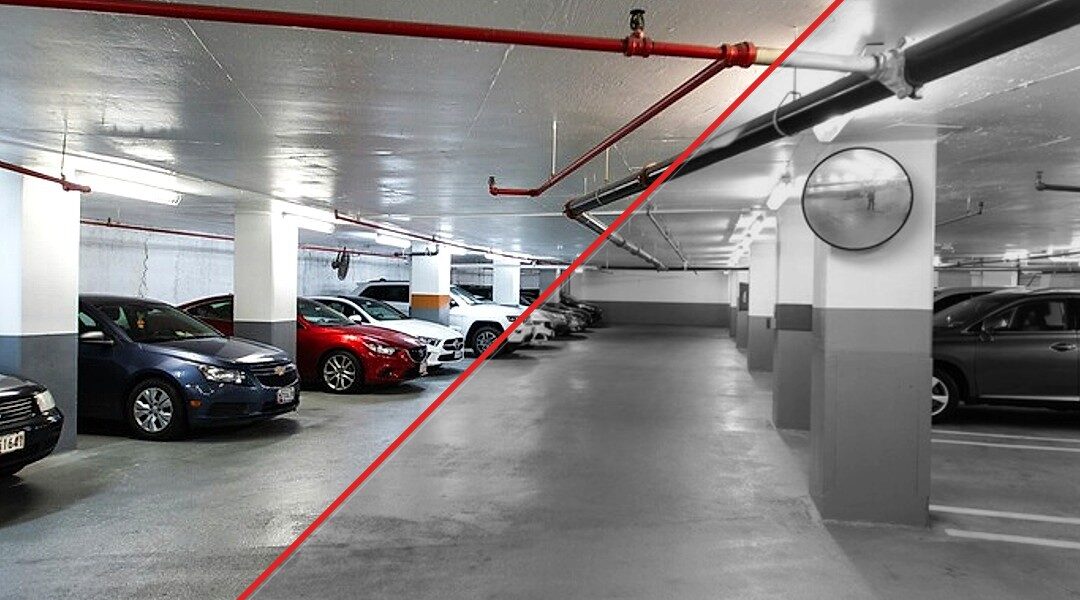
The use of garage spaces as storage is legally complex. Experts emphasize adherence to community statutes to avoid potential violations.
The intricate dynamics of property usage within residential complexes often lead to complex legal interpretations. Recently, the spotlight has turned towards the seemingly mundane yet legally thorny issue of using garage spaces as storage facilities. While this might appear as a mere adjustment of convenience, it interlaces with deeper legislative and communal frameworks.
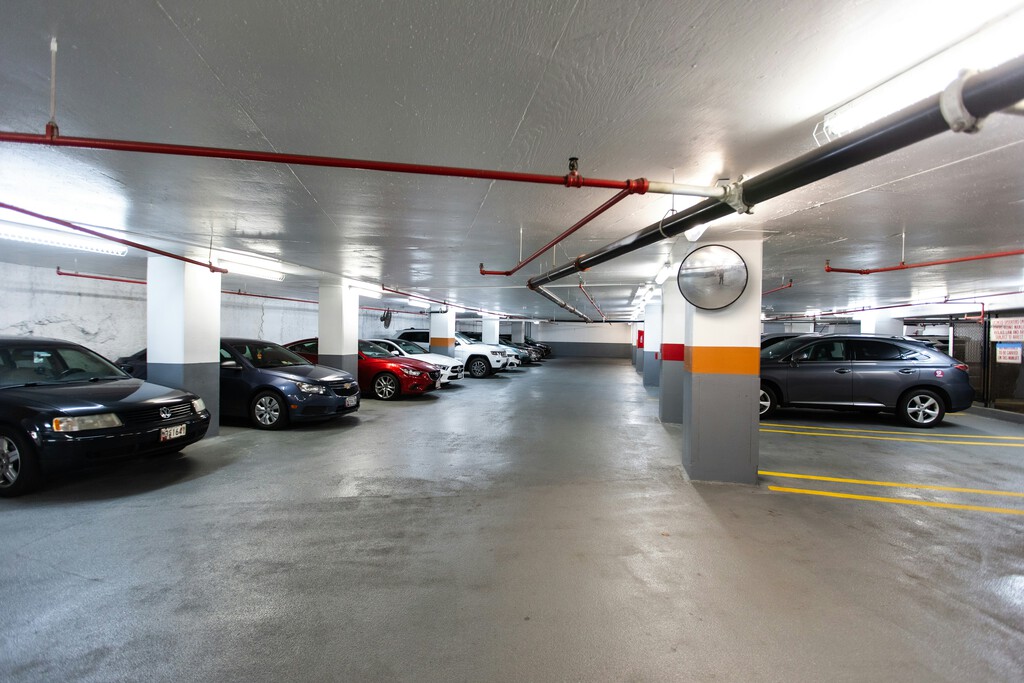
Legal Interpretations and Community Norms
The principle issue centers around the intersection of personal property rights and community directives. In Spain, this debate has prominently featured in legal discussions, highlighting the contrasts between individual autonomy and collective regulations. According to Maria del Carmen Martín, a certified property administrator, community statutes often explicitly outline the permissible use of spaces designated as garages. Violations of these statutes can lead to legal repercussions, as entire communities might lodge complaints against individuals who store personal items instead of vehicles.
The Role of the Ley de Propiedad Horizontal
The Ley de Propiedad Horizontal acts as a governing document, establishing how spaces within a residential complex should be utilized. Article 7.2 of this law specifies that property owners cannot engage in activities deemed damaging or disruptive without explicit permission from community regulations. This means that even if owning a garage space grants ownership rights, these rights are not absolute in deviation from the law.
Case Studies and Judicial Outcomes
Delving into instances where garage spaces were repurposed as storage sheds light on the judicial processes involved. A notable case involved a resident who converted their adjacent trastero (storage room) into an expanded garage space, only to face legal challenges resulting in a drawn-out court battle. Such scenarios underscore the judicial system’s role in resolving disputes rooted in shared property use.
System-Level Shift: Decision-Support in Property Use
This ongoing legal dialogue reflects a decision-support layer within residential property management. By understanding these rules, property owners can anticipate legal boundaries, reducing the potential for conflict. Communities effectively create a network of decision-support tools, providing clarity and maintaining harmony through structured regulations. Monitoring compliance then becomes a collective responsibility, ensuring harmony and legal conformity.
Future Implications and Behavior Modification
As urban environments become more densely populated, the efficient use of space is paramount. This trend mirrors the growing need for adaptable urban living solutions that align with statutory regulations. Communities must balance flexibility with regulation, ensuring harmonious cohabitation while recognizing individualized needs. The nuanced adaptation of legal statutes presents a model for future communal living arrangements that prioritize both personal and collective interests.
Monitoring continues. Signal stored.