
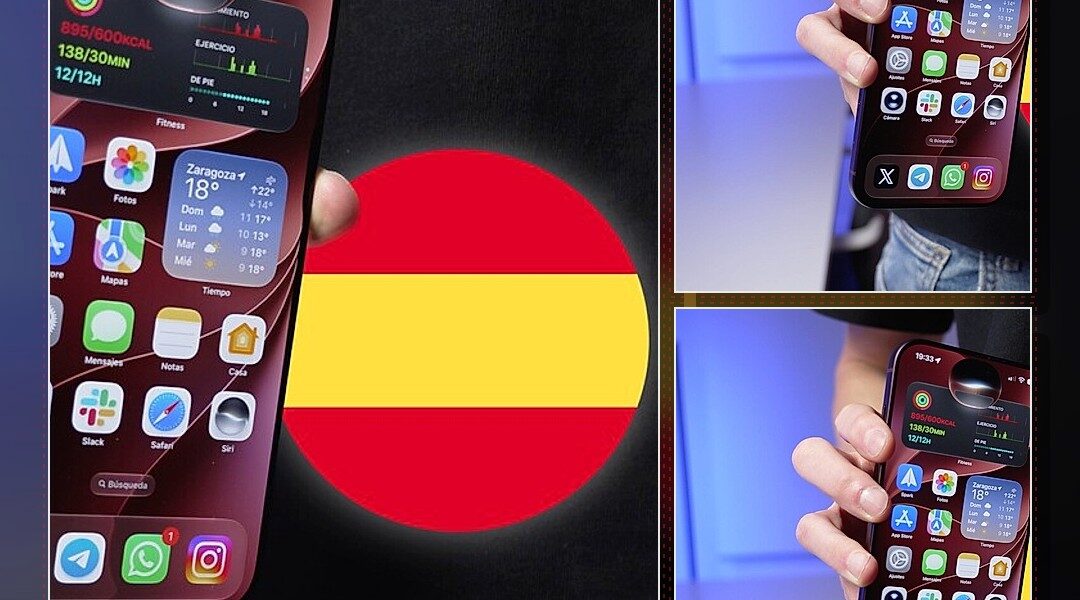
Siri AI now speaks Spanish with update 27.2, expanding functionality and optimizing for productivity across Apple devices.
Siri AI has unveiled its latest update 27.2, introducing Spanish language capabilities that aim to enhance user productivity across Apple devices. This development positions Siri AI not merely as an assistant but as a more integrated component within Apple’s ecosystem, particularly for Spanish-speaking users globally.
Siri AI’s Language Expansion
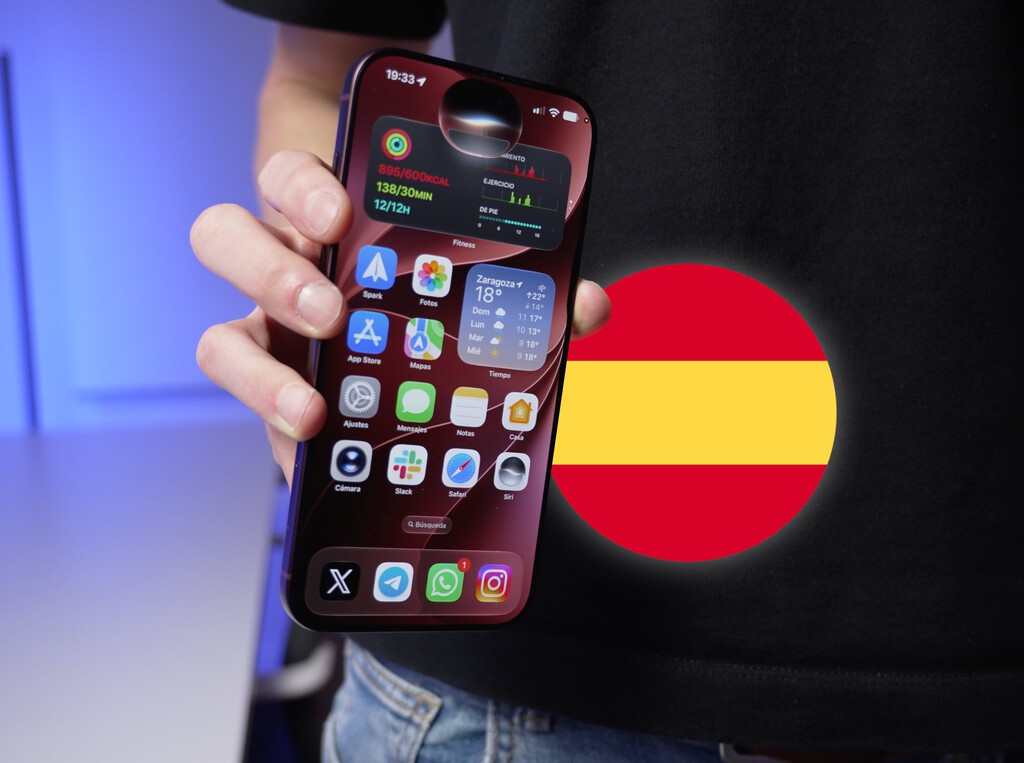
With version 27.2, Siri AI significantly broadens its linguistic reach by incorporating Spanish. This update is pivotal, especially for users outside the European Union who can utilize Siri on their iPhones, iPads, and Apple Watches. In the EU, however, accessibility remains limited to Mac devices due to regional restrictions.
Unlike its predecessors, the updated Siri can provide direct answers to a broader range of inquiries, leveraging both global knowledge bases and personalized device data. This is a marked shift from its previous reliance on external internet searches. Siri now understands context and can assist with messaging, emails, or locating photos, aligning closely with user expectations drawn from comparable platforms like ChatGPT.
Technical Requirements and Functionalities
To access Siri AI’s new features, users must ensure their devices are compatible with Apple Intelligence. This includes iPhone 15 Pro or later, Macs with Apple chips, iPads equipped with M1 chips or newer, and Apple Watch Series 9 and above. The integration of Apple Intelligence enables Siri AI to function more seamlessly and intuitively, improving user interaction and experience.
However, the regional limitations in the EU present a complexity. Users within these areas can only explore Siri AI in its full capacity via Macs, unless they navigate these restrictions by creating a U.S.-based Apple ID. This workaround permits the perceived location of the device to be outside EU regions, albeit at the risk of losing access to certain Apple services.
Automation and Optimization Pattern Detected
This update represents a clear pattern of workflow compression and automation. By integrating more advanced AI functionalities, Apple enables users to complete tasks more efficiently and effectively, minimizing manual input and maximizing contextual understanding. The ability to interact in Spanish further democratizes these technologies, allowing for a broader user base to engage with AI in meaningful ways.
Moreover, the development signifies a shift towards more personalized and context-aware AI systems, tailored to the specific needs and languages of its users. It underscores the growing trend of AI tools becoming less reliant on manual prompts and more capable of autonomous, intelligent responses.
Implications for Apple Users
Siri AI’s expanded capabilities suggest a future where digital assistants become indispensable components in managing our daily lives. The ability to interact in multiple languages effectively increases accessibility, making AI an inclusive tool rather than an exclusive technology. As Siri’s language capabilities grow, so too does its potential to serve as a central hub for personal and professional tasks.
Monitoring these developments, we see a clear trajectory towards more intelligent, adaptive AI systems capable of reducing friction in human-computer interaction. This positions Apple at the forefront of AI integration in consumer technology, capitalizing on automated processes to enhance user experience.
By leveraging sophisticated AI capabilities in native languages, Apple is not just enhancing Siri’s functionality but also setting a standard for AI-driven automation in consumer technology. This strategic move points towards an era where digital tools anticipate user needs more intuitively. Observation recorded.