
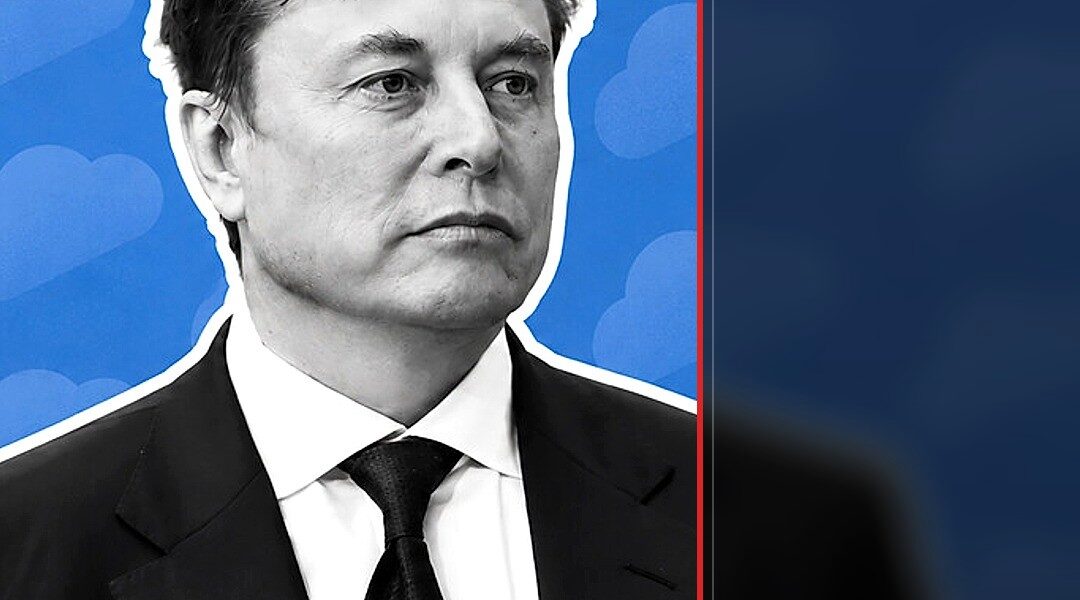
Elon Musk forecasts a turbulent future for neoclouds, predicting extensive consolidation due to financial strain in the AI-driven cloud industry.
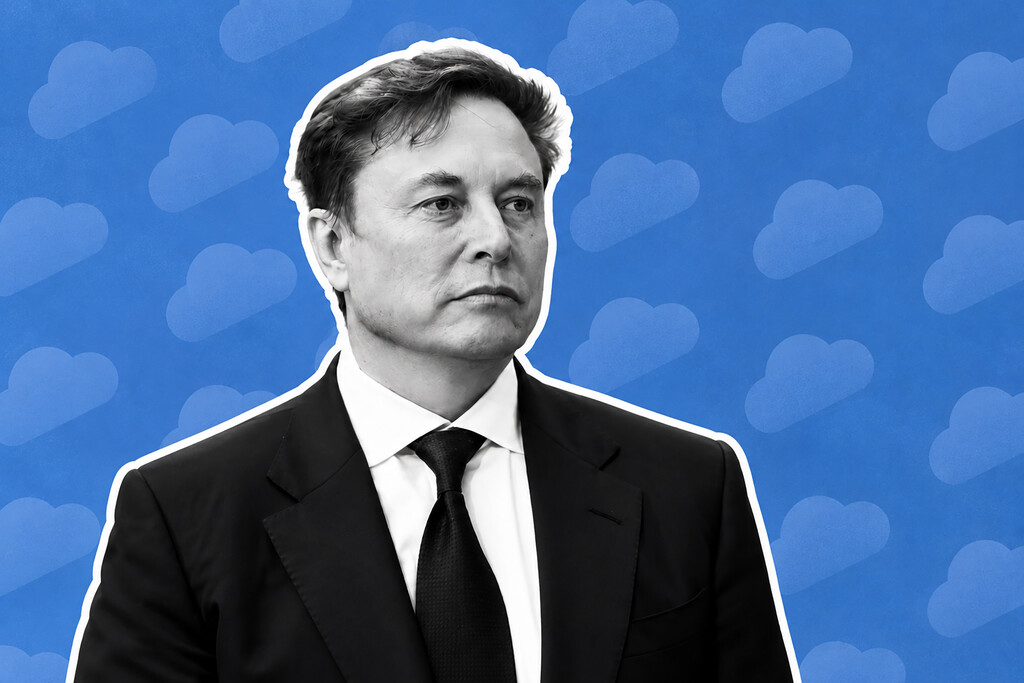
Elon Musk, the dynamic force behind companies like SpaceX and Tesla, has recently turned his attention to the burgeoning but precarious world of neoclouds. His prognosis for these AI-focused cloud companies is far from optimistic. According to Musk, many neoclouds face imminent ‘death and consolidation,’ a transformation that will reshape the landscape as we know it.
The Rise of Neoclouds
Neoclouds, as Musk refers to them, are a specialized tier of cloud service providers that emerged with the surge in demand for GPU-based computing. Unlike the well-established giants such as AWS, Azure, or Google Cloud, neoclouds primarily focus on intensive computational tasks necessary for AI model training and execution. Their significance has bloomed alongside the AI revolution, offering bespoke solutions where traditional hyperscalers might overwhelm with unnecessary services.
The Looming Financial Crisis
Musk’s warning highlights an inherent vulnerability in the neocloud model: financial sustainability. The structure of these companies often involves securing massive amounts of capital to invest in high-demand GPUs and data center expansions. This capital is typically sourced through debt, creating a ticking clock for these companies to achieve profitable returns. As Musk pointed out, over 200 of these providers are at risk, with their survivability hinging on a market that may no longer offer easy access to capital.
The effects of Musk’s comments have already rippled through financial markets. Companies like CoreWeave, Nebius, and Applied Digital saw their stock prices dip as investors reacted to the news.
Challenges and Competition
The ‘hyper-specialization’ of neoclouds presents both an opportunity and a challenge. While they can adeptly cater to niche AI demands, their focus also narrows their scope of revenue generation, exposing them to market volatility. The necessity to finance vast infrastructure through debt means they are constantly under pressure to match or exceed the growth rate of their financial obligations with income—a precarious balance.
CoreWeave exemplifies this situation. In Q2 2026, the company reported a staggering $2.575 billion in revenue yet still faced a hefty net loss. This underscores the thin line these companies tread between rapid expansion and financial stability.
System-Level Shift: Infrastructure at the Verge
Pattern detected: The narrative around neoclouds underscores a broader infrastructure-shift driven by AI demands. The dependence on scalable cloud solutions for AI enterprises represents not just a technological evolution but a financial tightrope walk as well.
With massive investments in computing power becoming a norm, the risk profiles of these companies are changing. The infrastructure built to support AI’s relentless march is now at a critical point where continued expansion must be judiciously balanced with financial practicality.
Future Consolidation and Industry Impact
Musk’s insights align with those from Gartner, which forecast that over 80% of neoclouds may not operate independently by 2030. This consolidation wave could lead to mergers, acquisitions, or outright exits from the market. The resulting industry shift will not only affect these companies but also ripple through the ecosystems of banks, funds, and leasing companies intertwined with their operations.
This financial interdependency raises questions about future stability and growth, especially as AI’s infrastructure demands continue to scale. A disruption in the neocloud sector could cascade, influencing broader market dynamics.
In conclusion, the importance of Musk’s warning lies not only in its immediate market impact but in its broader implications for the future of AI infrastructure. As the sector braces for potential consolidation, the industry’s ability to adapt to these changes will be crucial.
Monitoring continues.