

Africa’s Green Wall project is an ambitious ecological and economic initiative, aiming to restore 100 million hectares by 2030 and create 10 million jobs.
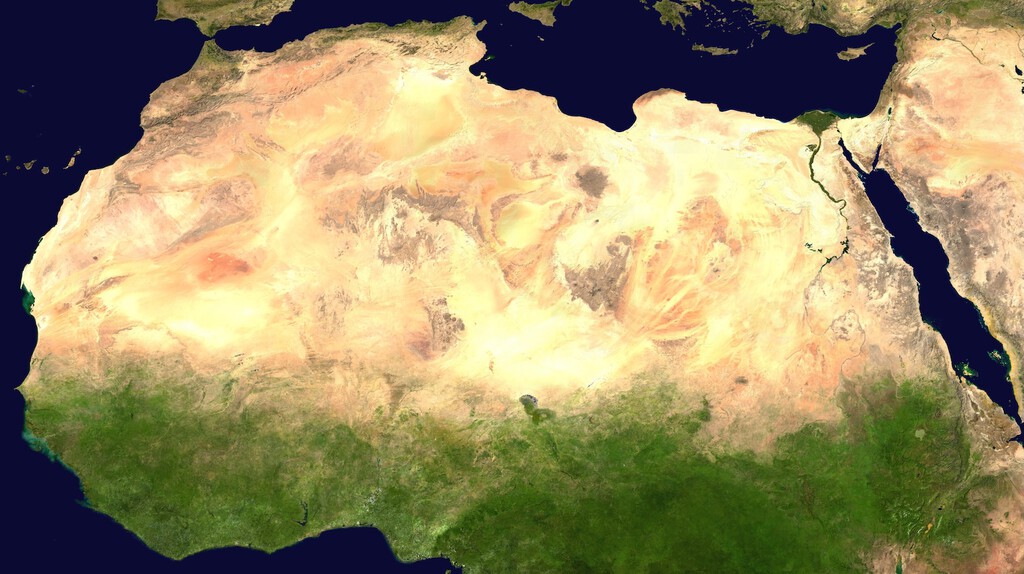
Spanning nearly 8,000 kilometers across Africa, the Green Wall Project is a transformative ecological endeavor aiming to reshape the continent’s landscape and economy. Originally conceptualized to address desertification through a vast line of trees, this initiative has evolved into one of the most ambitious efforts of ecological engineering and climate adaptation.
From Linear Forests to Mosaic Landscapes
The Green Wall’s initial concept was straightforward yet flawed: plant a continuous line of trees across the southern edge of the Sahara to halt desert encroachment. However, scientific insights soon revealed the inadequacies of this approach. Planting large trees in semi-arid regions not only resulted in high mortality rates but also led to diminished soil moisture and depleted local aquifers.
In response, a strategic pivot occurred. Rather than relying on a monolithic wall of trees, the project shifted to a mosaic of plantings tailored to local conditions. This new approach emphasized the sustainability of shrubs over trees, leveraging their adaptability to the Sahel’s challenging conditions.
Measuring Impact Amid Complexity
Quantifying progress in a project of this scale is inherently challenging. As of 2020, nearly 18 million hectares were reportedly restored, largely due to Ethiopia’s substantial contributions. Yet, under stricter evaluation by the UN Convention to Combat Desertification (UNCCD), only 1.66 million hectares were verified as in the process of restoration, accompanied by the creation of 4.6 million jobs.
These figures underscore the complexity and scale of the challenge at hand. The project’s success isn’t merely in hectares restored but in the services these landscapes provide, such as water retention and nutrient cycling, critical for supporting local communities.
Financial and Geopolitical Hurdles
Financially, the Green Wall’s ambition requires a significant investment, estimated at $33 billion by 2030. While international commitments have been made—$19 billion pledged by 2023—the dispersal of these funds is hindered by bureaucratic obstacles, with only 13% realized on the ground.
Beyond finances, the geopolitical climate poses perhaps the greatest challenge. Conflict and insecurity render half of the economically viable 28 million hectares in the Sahel inaccessible for restoration. This stark reality highlights the interplay between ecological initiatives and political stability.
System-Level Shift: Programmable Environments
The Green Wall is a testament to the concept of programmable environments, where human intervention directs ecological processes to achieve specific outcomes. By leveraging local biodiversity and community-based management, the project adapts to climatic and social dynamics, offering a scalable model for ecological restoration.
This approach signifies a broader shift in how humanity interacts with the environment, moving from domination to a more nuanced partner-like role, working with ecosystems rather than against them.
Looking Forward
As the Green Wall initiative unfolds, it becomes a crucial test case for climate adaptation strategies worldwide. Its success hinges not only on ecological and financial factors but also on political will and international cooperation. The outcomes will have implications far beyond Africa, informing global efforts in sustainable land management and climate resilience.
In essence, the Green Wall represents a vision of an adaptable, programmable environment that can meet human needs while restoring ecological balance. The project’s progress and the challenges it faces will continue to be a subject of intense observation. Monitoring continues.