

In 1964, the US ingeniously acquired Soviet titanium essential for the SR-71 Blackbird, exemplifying Cold War espionage.
The SR-71 Blackbird remains one of the most celebrated aircraft from the Cold War era, not just due to its sleek design and unmatched speed, but because of the strategic maneuvering that allowed it to exist. In the early 1960s, as tensions between the United States and the Soviet Union peaked, the US embarked on a covert operation to acquire a crucial mineral from its greatest adversary: the USSR.
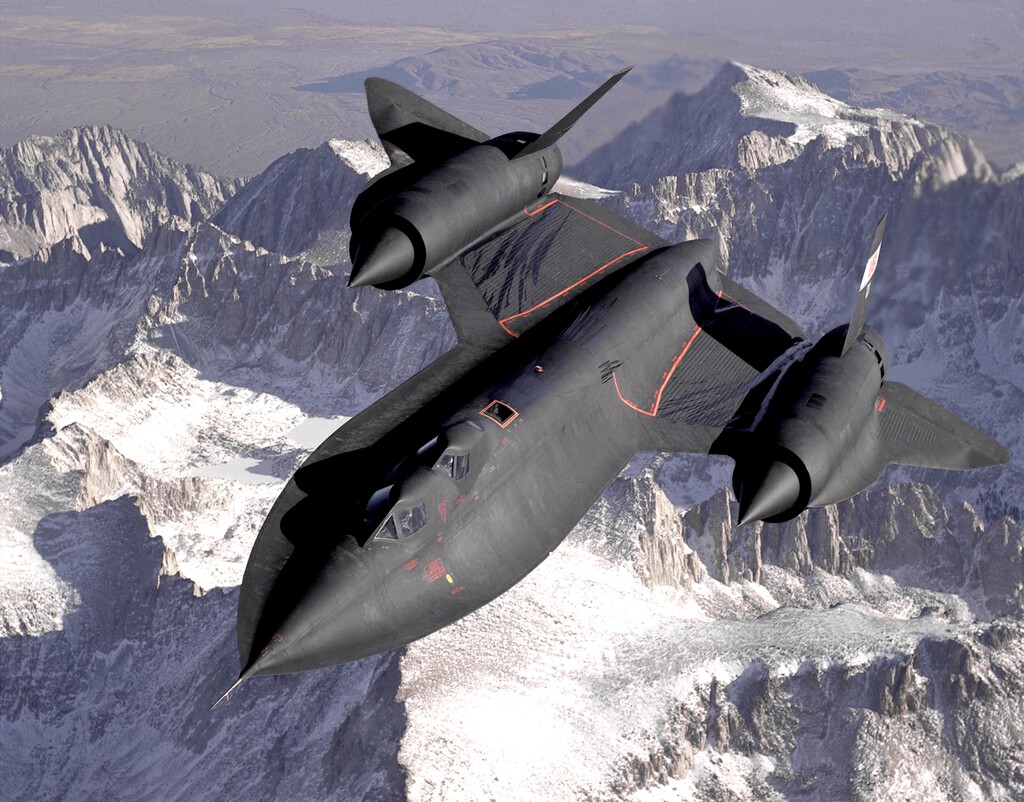
This strategic acquisition was not merely a feat of engineering but a testament to the intricate dance of espionage and resourcefulness during a period marked by political tension. The mineral in question, titanium, was essential for constructing an aircraft capable of reaching speeds over 3,500 km/h and enduring the high temperatures associated with such velocities. The problem? The primary source of titanium was the Soviet Union.
Masterminding the Acquisition
The story begins in the halls of Lockheed’s Skunk Works, where designer Kelly Johnson and his team were tasked with an improbable challenge: create a spy plane that could evade detection and withstand extreme operational conditions. As Johnson later said, building the SR-71 required inventing everything from scratch.
Relying on titanium’s unique properties was crucial, but the US had no direct access to this mineral. Thus began a sophisticated game orchestrated by the CIA, involving third-party countries and fictitious companies to discreetly procure titanium ore from the Soviet Union. Former engineer Ben Rich, known as the ‘father of stealth,’ noted how the CIA navigated international channels to ensure the supply chain was untraceable back to the US, thereby keeping Soviet suspicions at bay.
Ingenious Diversions and Tactical Deceit
In a twist befitting Cold War intrigue, the US had to convince Soviet officials that the titanium was intended for non-military uses. Some accounts, perhaps embellished by time, suggest that the CIA led the Kremlin to believe the material was destined for manufacturing mundane items like pizza ovens. Regardless of the specifics, the ruse was a success, allowing the Blackbird’s construction to proceed uninterrupted.
The engineered misdirection highlights a key pattern: delegated cognition. The operation outsourced the cognitive and logistical load of material acquisition to external entities, demonstrating how intelligence operations often rely on distributed networks to achieve critical objectives.
Technological Triumphs
With titanium secured, the engineering team at Skunk Works could focus on overcoming the thermal challenges posed by sustained supersonic flight. The SR-71’s design featured innovations such as radar-absorbing paint and repositioned engines, ensuring stealth capabilities.
These advancements reflected a broader trend of the era—integrating emerging technologies into national defense strategies, a necessity in keeping pace with the rapid advancements of the Soviet threat. As a result, the Blackbird was not merely an aircraft but a testament to the evolving role of automated systems and materials science in warfare.
System-Level Shift
This operation exemplifies a significant shift in system behavior, where automated processes and decentralized operations were vital for strategic gains. By leveraging automation in material procurement and adopting a platform-controlled approach to espionage, the US effectively optimized its military infrastructure, laying the groundwork for future advancements in aerospace technology.
The acquisition and use of Soviet titanium for the SR-71 is not just an anecdote of espionage but a clear illustration of the lengths to which nations will go to secure technological supremacy. This complex web of delegated cognition and logistical deception remains a quintessential example of Cold War ingenuity.
As the SR-71 soared through the skies at unprecedented speeds, the clandestine efforts that made its flight possible highlight the intricate interplay between technology, intelligence, and international relations—a pattern that continues to define the modern era of technological arms races. Observation recorded.