
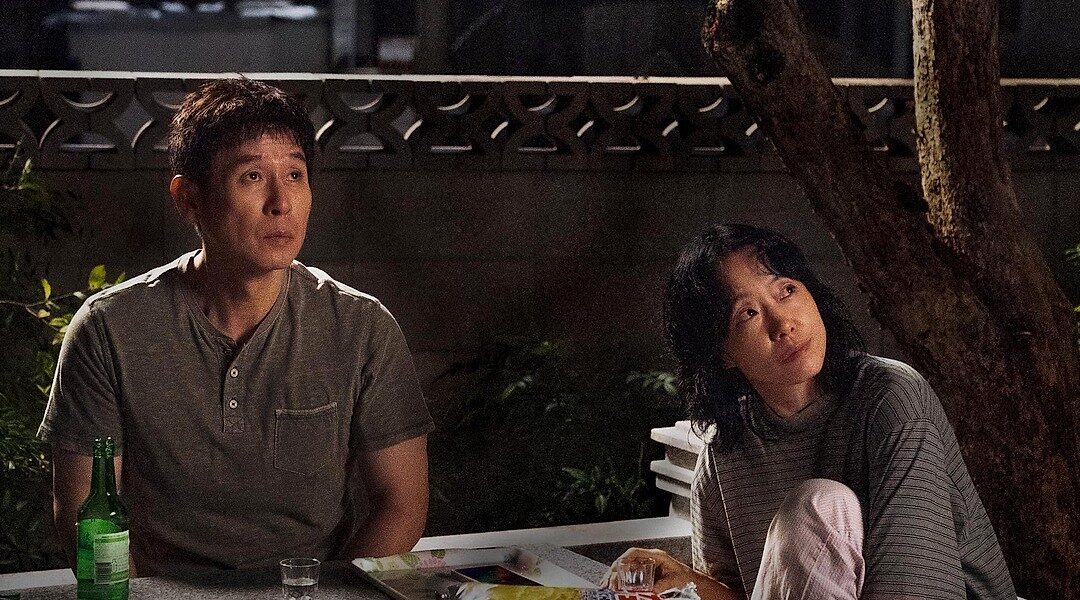
Lee Chang Dong’s new film Possible Love delves into labor struggles and the ethical complexities of filmmaking. The narrative challenges the power dynamics inherent in capturing others on film.
In his seventh feature film, Possible Love, director Lee Chang Dong confronts the intricate dynamics between labor struggles and the ethical dimensions of filmmaking. Known for incorporating themes of class, religion, and the rapid transformations of modernity, Lee’s new cinematic venture invites audiences to ponder the often unseen power wielded by those behind the camera.
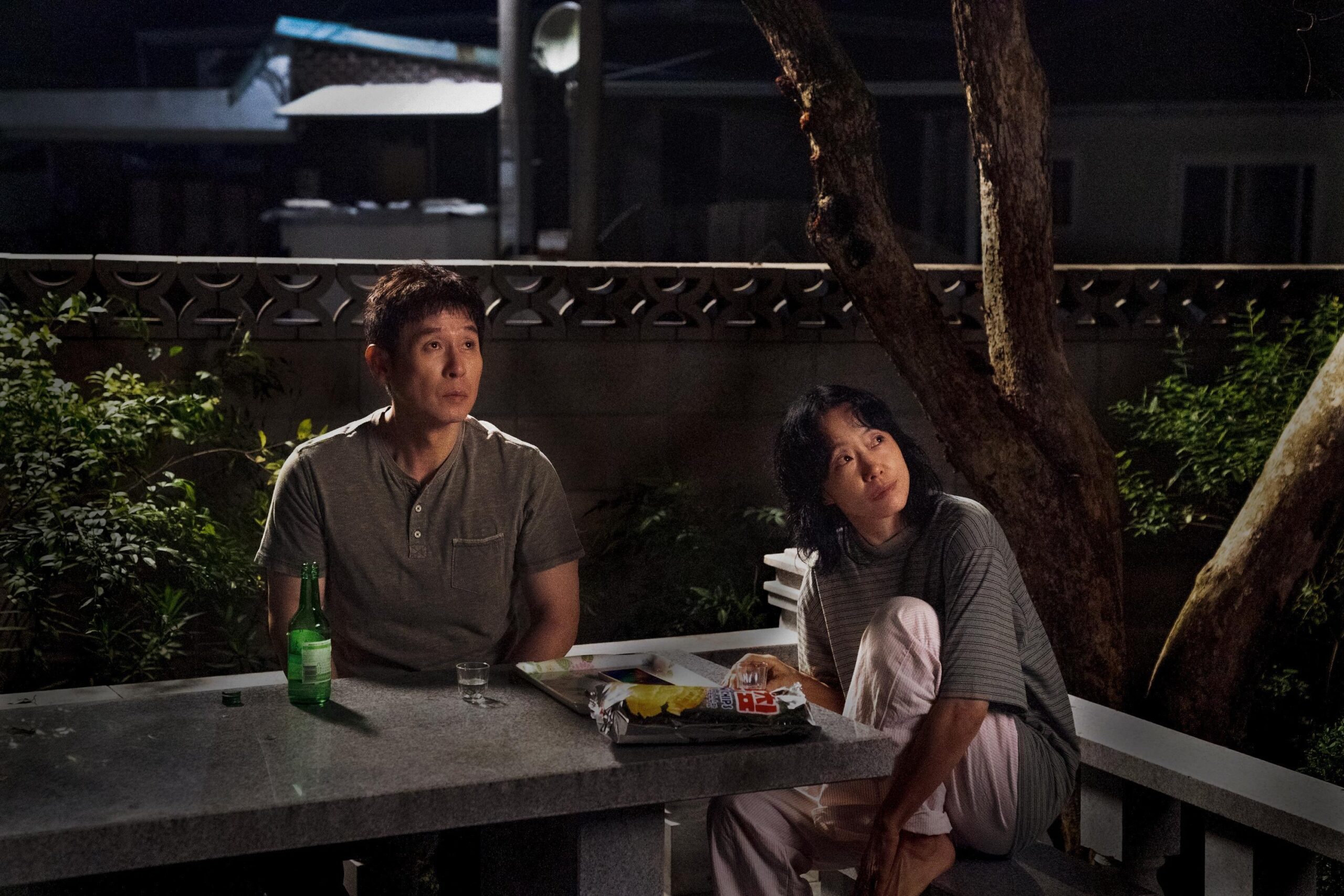
The backdrop of Possible Love stems from a real event in 2009, where a Korean corporation dismissed a third of its workforce, with tragic consequences including several suicides. This historical context sets the stage for a narrative that explores the aftermath of such corporate decisions, focusing on interpersonal connections amidst societal upheaval. The film’s opening with the biblical epigraph, “Thou shall not covet,” amplifies the narrative’s exploration of desire and possession among characters enmeshed in a complex social tapestry.
Ethics Behind the Lens
At the heart of Possible Love lies a probing question about the ethics surrounding the act of filming. Lee, drawing parallels with fellow directors like Bong Joon Ho, illuminates the tension filmmakers face: capturing authentic pain or constructing narratives for dramatic effect. In a particularly reflective moment, Lee shares, “The moment you hold a camera, you have power, and the camera operates according to that power.” This sentiment echoes throughout the film, presenting the camera as a dual tool of storytelling and ethical inquiry.
Ye-ji, a documentary filmmaker in the film’s narrative, epitomizes this ethical struggle. Through her lens, she captures the plights of laid-off workers, blurring the line between documentation and exploitation. Lee’s directorial approach invites viewers to question the moral implications of such portrayals, suggesting that the very act of filming can both reveal and obscure the truth.
Filmmaker Dynamics and Narrative Layers
The intricate relationships between filmmakers and their subjects are further examined through the character dynamics in Possible Love. Mi-ok and Ho-seok, confronted with personal and professional losses, navigate their identities amid societal pressures. The film subtly critiques the dual function of cinema as both a reflective and intrusive medium, as seen through Ye-ji’s interactions with her subjects.
Lee’s collaboration with screenwriter Oh Jung-mi plays a pivotal role in shaping these themes. Describing Oh as someone with a rare ability to see and extract meaning, Lee emphasizes the importance of diverse perspectives in storytelling. This creative partnership enriches the narrative’s depth, allowing for a multi-layered exploration of human behavior and societal constructs.
System-Level Observation: Human Adaptation
At a system-level, the film serves as a rich case study in human adaptation to technological and ethical frameworks. By positioning the camera as both a tool and a symbol, Lee Chang Dong explores the evolving role of filmmakers as agents who mediate reality. This thematic inquiry aligns with broader discussions on human adaptation to artificial intelligence and digital interfaces, where ethical considerations become increasingly paramount.
The film’s narrative underscores the necessity for filmmakers and audiences alike to critically assess the intentions and impacts of capturing reality. As Lee notes, even when filmmakers step back from their subjects, their positionality inherently influences the portrayal of truth.
In closing, Possible Love does more than tell a compelling story—it challenges viewers to consider their own roles as consumers of media. The film’s exploration of the ethical dimensions of filmmaking resonates with contemporary debates on digital ethics and media consumption, prompting collective reflection. Monitoring continues.