
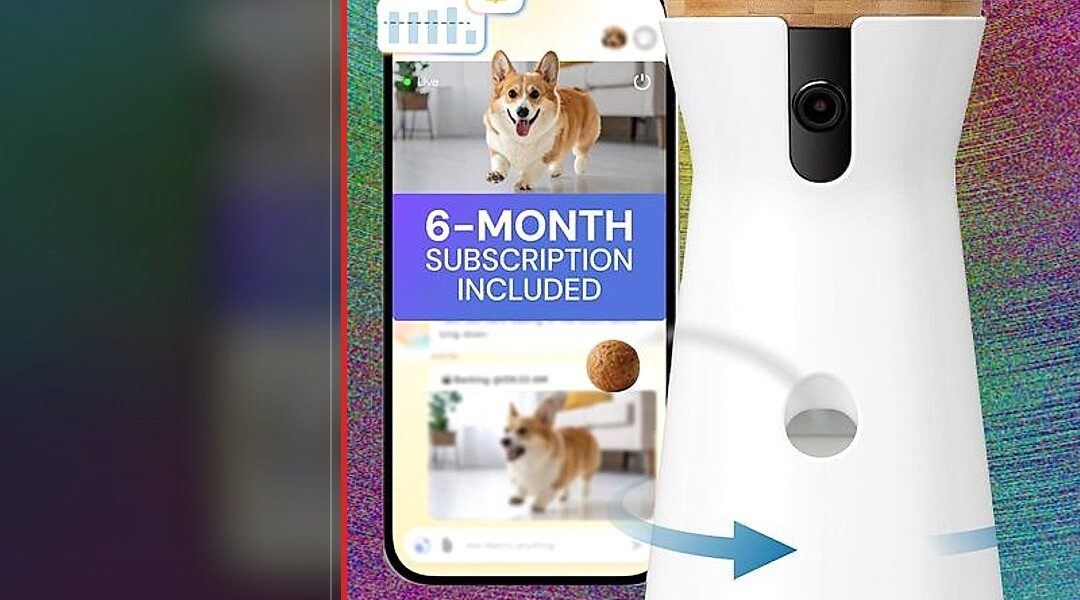
Pet cameras like Furbo and Petcube incorporate AI and automation to monitor pets, offering insights and convenience through advanced features.
In 2026, the realm of pet care technology has become inextricably linked with the advancements in AI and automation. Pet cameras, such as the Furbo Mini 360° and Petcube Cam 360, have evolved beyond simple surveillance devices into sophisticated tools that incorporate AI to monitor and interact with pets.
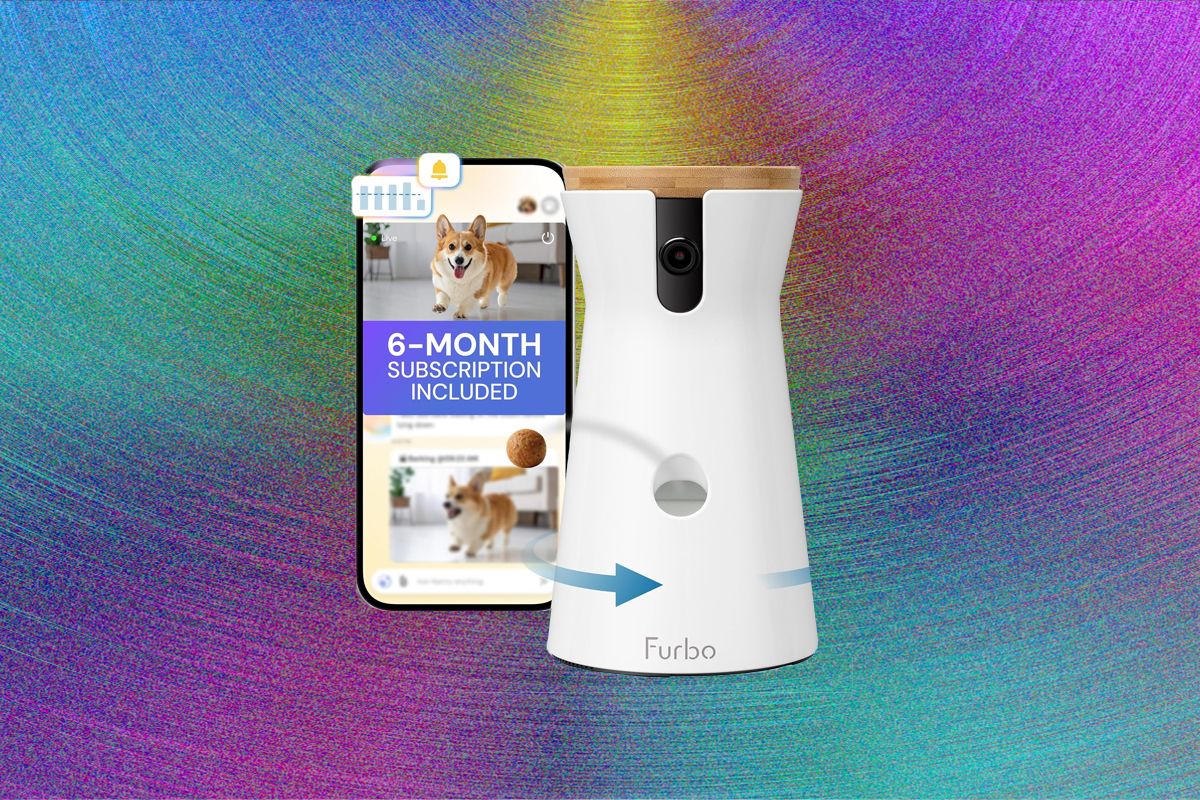
The Furbo Mini 360°, a leading option for most pet owners, represents a convergence of features that cater to both the functional and emotional demands of leaving a pet unattended. With a price tag of $49, it offers 360-degree viewing capabilities, treat dispensing, and a range of interactive features accessed via a cloud-based subscription service. This camera not only captures and streams high-definition color and night-vision images but also sends alerts for unusual events like excessive barking or meowing. The Furbo’s ability to provide peace of mind comes at a price, as advanced functionalities are locked behind a subscription paywall.
System-Level Shift: Delegated Cognition
The integration of AI in devices like these indicates a clear shift towards delegated cognition. Pet owners are increasingly relying on these devices not just to monitor but to make decisions in their absence. For instance, the Furbo’s Nanny service proactively sends safety alerts, emphasizing how AI-driven insights are taking on cognitive tasks traditionally managed by pet owners. This shift reflects a broader trend of AI systems assuming roles that augment human decision-making.
Enhanced Interaction and Automation
Features such as two-way audio and treat dispensing engage pets actively, turning the camera into more than just a monitoring tool. For example, the Furbo emits a sound when dispensing treats, despite some pets’ adverse reactions to the noise, illustrating the interaction challenges that arise in AI development.
While the Petcube Cam 360 offers a compact and budget-friendly option at $47, its effectiveness is partly limited without an upgraded subscription. This camera still provides essential features like 360-degree rotation and night vision but restricts storage and real-time interaction unless users invest in the monthly Care plan.
Wider Implications in AI-Driven Pet Monitoring
AI’s role in pet cameras extends beyond mere monitoring. The Imilab C30 with its dual-camera setup provides a 360-degree view combined with AI-driven alert systems that detect unusual sounds or movements. This technology not only aids pet owners in maintaining a watchful eye over pets but also in responding to potential hazards like fires.
The presence of AI in these systems underscores a shift towards automation and optimization, where repetitive tasks such as scheduling treat dispensations or monitoring pet activity are delegated to intelligent devices. This not only alleviates the cognitive load on pet owners but also enables them to make more informed decisions regarding pet care based on detailed reports and alerts.
Observation and Market Dynamics
As the demand for more sophisticated pet care solutions grows, manufacturers are prompted to innovate and enhance AI capabilities within these devices. The evolution from basic monitoring to interactive and intelligent systems reflects a market dynamic where consumer demands drive technological advancements.
Furthermore, the implications of these advancements reach into areas such as data privacy and subscription-driven revenue models. The necessity of subscriptions to fully unlock the potential of these cameras indicates a shift toward a service-oriented market where continuous revenue can be extracted through ongoing consumer reliance on AI-driven features.
The intersection of AI and pet care technology exemplifies a significant trend within the broader context of smart home innovations. As these devices continue to develop, they are likely to influence other domains of home automation, setting a precedent for how AI can be integrated into everyday life to enhance convenience and efficiency.
As the technology continues to improve, monitoring systems like the Furbo and Petcube will likely become even more embedded within broader smart home ecosystems, providing integrated solutions that enhance both pet care and home security.
Monitoring continues.