
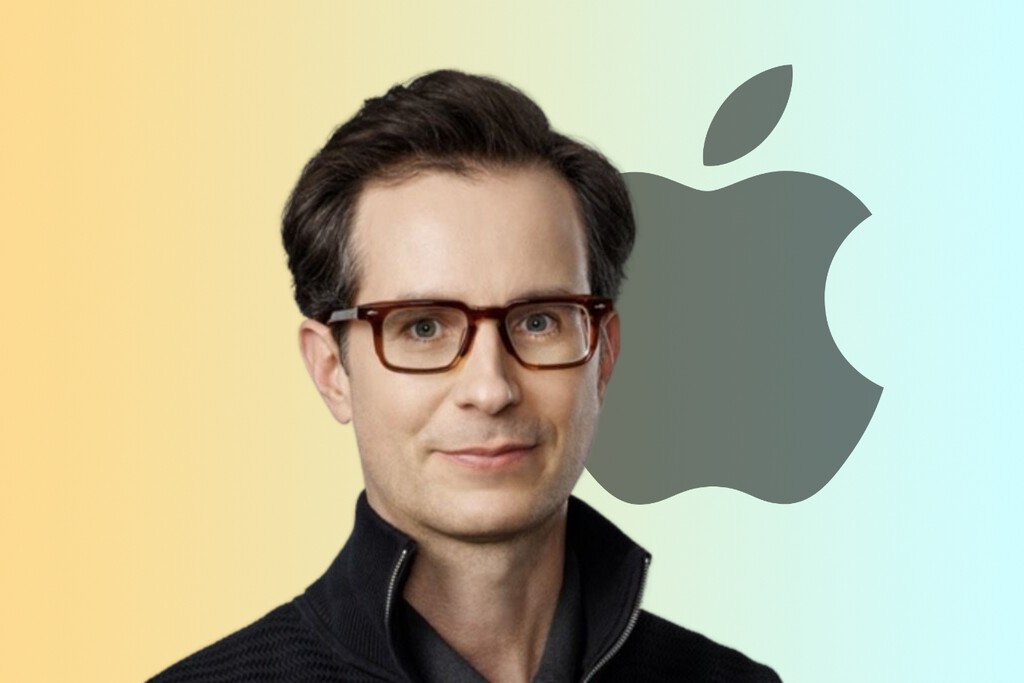
Steve Lemay, a pivotal figure at Apple, ascends to VP of UI, impacting Apple’s software interface direction.
Steve Lemay’s journey within Apple offers a compelling exploration of internal evolution and strategic design direction. Joining Apple in 1999, Lemay has witnessed and contributed to the company’s pivotal transformations, initially under Steve Jobs’s vision and later with Tim Cook’s economic leadership.
Lemay’s Role and Contributions
Lemay’s prominence rose as he took on the role of Vice President of UI. His responsibilities cover defining user experience across iOS, iPadOS, macOS, and other software suites Apple produces. Under his guidance, user interaction with Apple devices has been refined to balance aesthetics and functionality, emphasizing intuitive design and user comfort.
His most notable achievement to date was his contribution to the redesign of iOS 7, a visual transformation that remains influential. The flat design introduced during this update marked a departure from previous skeuomorphic styles, signaling a modern aesthetic that set industry trends.
From Alan Dye to Steve Lemay
Lemay stepped into his current role following Alan Dye’s departure to Meta. Dye had been instrumental in the development of Apple’s Liquid Glass interface, characterized by transparency and fluidity. With Dye’s exit, Lemay seized the opportunity to lead the UI division, a testament to his longstanding expertise and strategic vision.
He now reports directly to John Ternus, collaborating closely with Molly Anderson, VP of Design Industrial, showcasing an integrated approach between hardware and software design.
The iPhone Duo: A Landmark Project
An exemplar of Lemay’s influence is the iPhone Duo, Apple’s first foldable phone. The collaboration with Anderson on this project was a landmark in adaptable design, where Lemay’s work concentrated on optimizing software experience for dual screens. This transition required rethinking interface elements such as screen transitions and control placements, emphasizing usability in new hardware contexts.
System-Level Shift: Human Adaptation
The developments in Apple’s UI design under Lemay highlight a broader pattern of human adaptation to evolving technology interfaces. As devices become more complex yet need to remain user-friendly, ensuring seamless interaction becomes crucial. Lemay’s leadership points toward an understanding that user interfaces are not merely static designs but dynamic tools that must evolve with user needs and technological capabilities.
Lemay’s tenure underscores the importance of adaptability, both from a design perspective and a user interaction standpoint. His work illustrates how Apple aims to maintain its competitive edge by fostering human-centric design innovation.
Looking Ahead
As Lemay approaches nearly three decades at Apple, his anticipated projects, such as interfaces for rumored Apple glasses, suggest that the evolution of UI will continue to be a significant area of focus. With the company’s shift towards new technology ventures, Lemay’s role in shaping these interfaces will likely be pivotal.
Steve Lemay’s career trajectory within Apple not only reflects individual achievement but also encapsulates the company’s ongoing commitment to innovation in user interface design. Monitoring continues.