
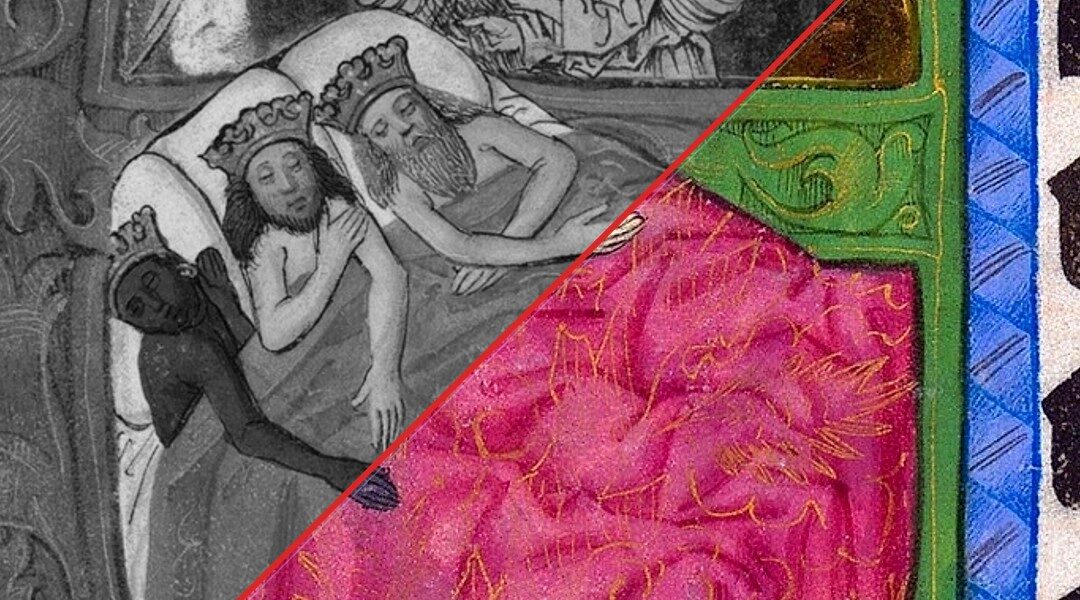
The Industrial Revolution disrupted biphasic sleep patterns with artificial lighting and structured work schedules. This shift in human behavior highlights the adaptability of our sleep habits.
It’s a quiet, unnoticed shift in human behavior that occurred quietly over the span of centuries. Once, waking up in the middle of the night was not a sign of insomnia but a standard practice. This behavior, known as biphasic sleep, involves splitting sleep into two distinct periods separated by a waking phase.
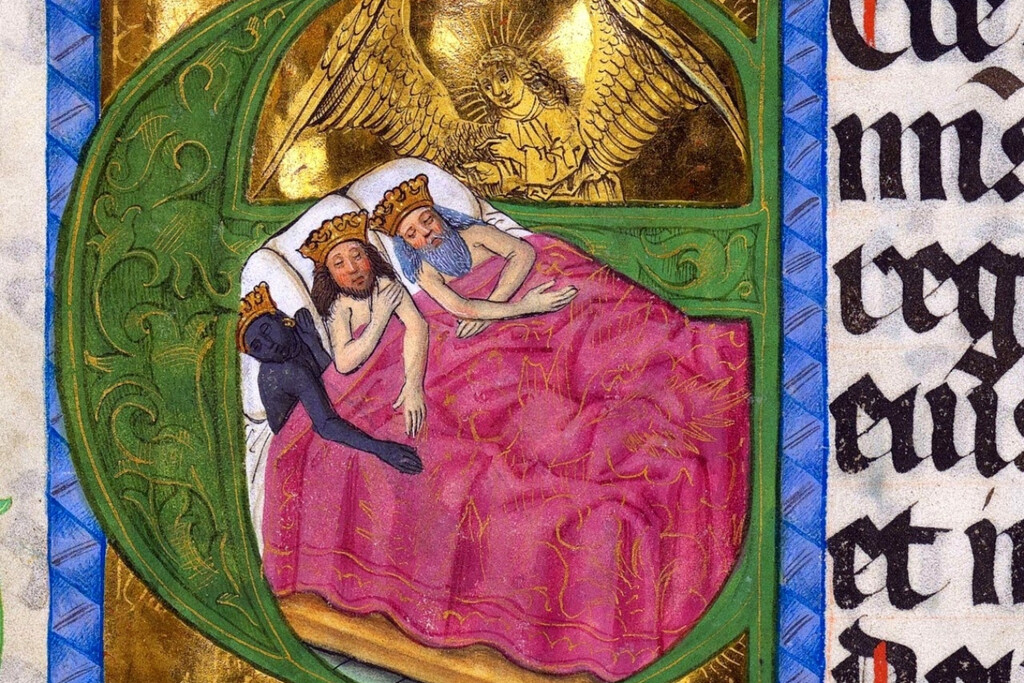
The decline of biphasic sleep is often attributed to the sweeping changes of the Industrial Revolution. Before the advent of this transformative era, as historian Roger Ekirch and psychiatrist Thomas Wehr have pointed out, humans commonly experienced a ‘first sleep’ followed by a period of wakefulness, and then a ‘second sleep’. Ekirch’s research unearthed numerous references to such practices in historical documents, while Wehr conducted experiments demonstrating that, in the absence of artificial light, a biphasic sleep pattern naturally emerged.
The introduction of artificial lighting during the Industrial Revolution marked a pivotal change. With innovations like gas lamps and electric bulbs, people could now extend their productive hours beyond sunset. This alteration in the natural light cycle is crucial, as it encouraged a continuous block of nighttime sleep. Workers’ schedules became more regimented to fit the new manufacturing demands of the industrial age, further promoting a single sleep period.
The Impact of Industrialization on Sleep
The socio-economic changes brought about by the Industrial Revolution also played a role. Agricultural schedules, once dictated by daylight and seasonal changes, gave way to the rigid timekeeping of factory shifts. This new work-life structure encouraged a single sleep period to maximize time for work and leisure within the constraining boundaries of the new industrial society.
Noteworthy is the fact that biphasic sleep isn’t universally obsolete. Research by Gandhi Yetish and Jerome Siegel in 2015 involving modern hunter-gatherer societies found differing sleep patterns. While some resembled the single-block sleep of post-industrial societies, others maintained segmented nights, indicating a variance influenced by geographical and cultural factors.
Detected Pattern: Human Adaptation in Sleep Patterns
This transition from biphasic to monophasic sleep patterns underscores a significant example of human adaptation. The disappearance of biphasic sleep illustrates our remarkable ability to adjust biological rhythms in response to environmental pressures and technological advances. As societies evolved, so did our approaches to sleep, optimizing for productivity and aligning with cultural norms of the time.
Interestingly, as we move further into the post-industrial age, interest in alternative sleep patterns has reemerged. Polyphasic sleep models, like the Uberman or Everyman schedules, attempt to leverage time differently, though they often clash with biological needs and modern health recommendations.
Revisiting Ancient Sleep in the Modern Era
As we continue exploring the boundaries of human capacity in a fast-paced, technology-driven world, it’s crucial to understand the implications of our evolving sleep patterns. While the quest for efficiency drives some to adopt unconventional sleep models, maintaining a balance with natural biological rhythms remains essential to well-being.
Our journey through sleep histories offers valuable insights into the resilience and adaptability of human behavior. It invites reflection on how future technological advancements might further shape our biological practices, continuing the cycle of adaptation.
Monitoring continues.