

Ilya Sutskever’s involvement in Sam Altman’s ouster from OpenAI highlights the strategic tensions within the AI lab. This trial reveals significant insights into the funding struggles and strategic realignment undertaken by OpenAI.
The unfolding drama of OpenAI’s leadership saga has reached a pivotal moment, with Ilya Sutskever’s testimony offering a rare glimpse into the strategic dynamics and internal tensions that shape one of the leading AI labs in the world. As the trial involving Elon Musk against OpenAI and Microsoft progresses, key figures like Sutskever take center stage, revealing not only personal stakes but also the broader implications on the AI ecosystem.
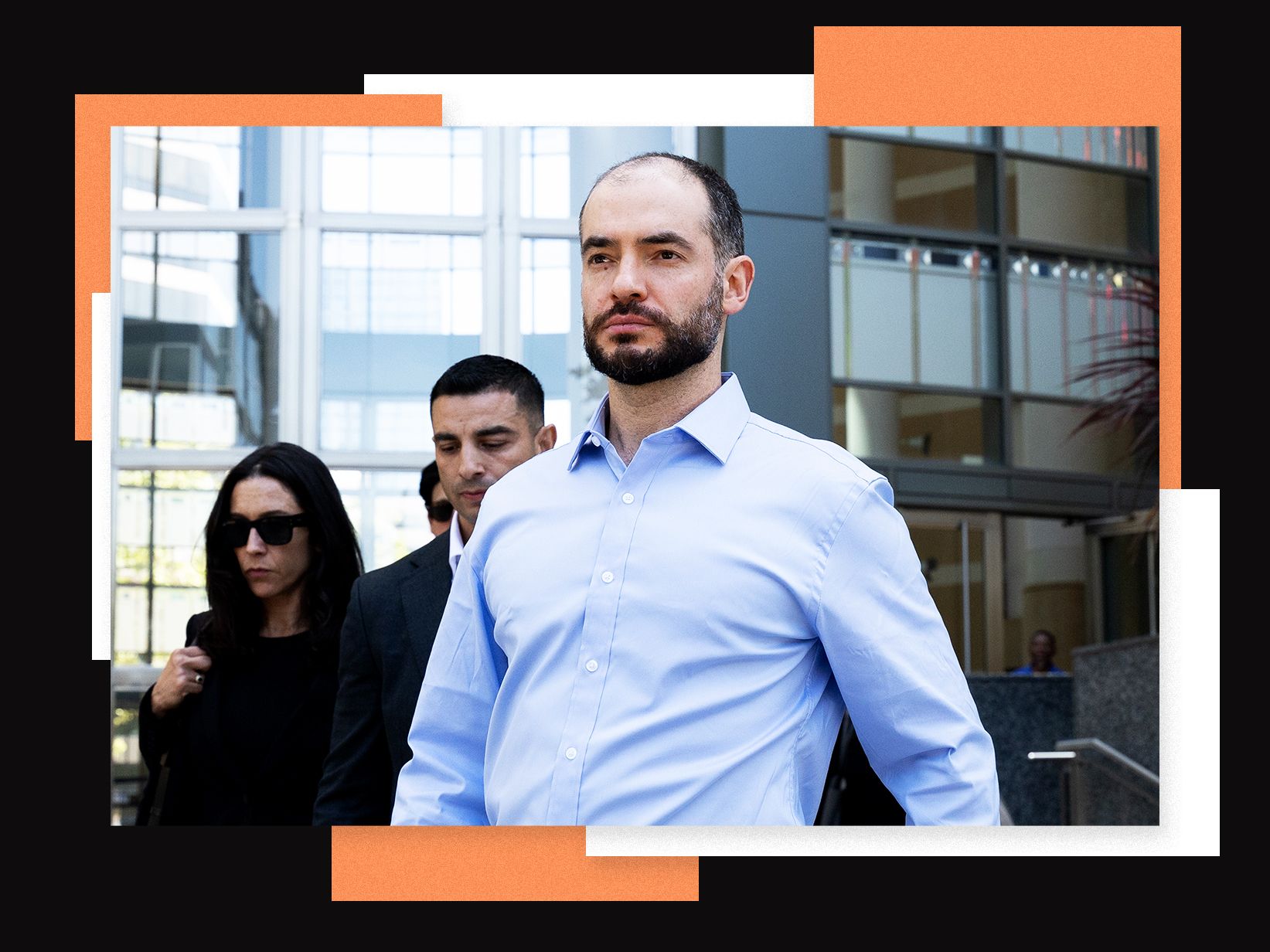
Sutskever’s Position and Strategic Intent
Ilya Sutskever, once a cornerstone of OpenAI’s scientific pursuit, emerged in the trial with a significant financial presence, holding shares worth about $7 billion in OpenAI’s for-profit arm. This alone positions him as a substantial stakeholder, but it’s his involvement in the removal of Sam Altman as CEO that unveils deeper strategic considerations. Sutskever’s assertion, “I didn’t want it to be destroyed,” echoes a broader concern regarding the integrity and direction of the organization amidst commercialization pressures.
Sutskever’s decision to assist in collecting evidence against Altman underscores the fragility of trust and information asymmetry within corporate entities pursuing transformative technologies. As Sutskever testified, an environment lacking transparent information hinders any grand objective, hinting at operational and strategic misalignments that could potentially derail innovation pathways.
The Funding Imperative and Structural Evolution
One prominent theme arises from the discussions—the overwhelming necessity for substantial funding to sustain and elevate AI research. Sutskever’s testimony highlighted the analogy between an ant and a cat, illustrating OpenAI’s evolutionary leap forward facilitated by massive computational resources. The transition to a for-profit model was framed as a consensus necessity, ensuring the financial inflow to support ambitious, brain-scale computing endeavors.
This strategic pivot reflects a broader trend within the AI field: the balancing act between maintaining a mission-driven ethos and adapting to market realities. The transition from non-profit ideals to for-profit structures denotes a shift from foundational scientific exploration to a sustainability model that reinforces long-term viability—an infrastructure shift essential for progress.
Microsoft’s Role and Economic Tensions
Microsoft’s involvement with OpenAI serves as a case study in the corporate realignment of priorities and risk management within AI partnerships. Initially providing discounted cloud computing resources, Microsoft shifted towards a more transactional partnership as operational costs escalated. Satya Nadella’s testimony revealed the shift in Microsoft’s expectations, emphasizing a return on investment through deeper control over AI capabilities.
This change in dynamics underscores a critical infrastructure dependency pattern, where cloud providers evolve into strategic partners, influencing the developmental direction and operational strategies of AI labs. Notably, the demands for financial returns and AI “know-how” reflect a standard model of risk-sharing and intellectual capital exchange that underlines contemporary tech partnerships.
Organizational Tensions and the Path Forward
Amidst these high-stakes evolutions, organizational tensions within OpenAI have become pronounced. Sutskever’s estrangement from initial allies like Greg Brockman paints a picture of shifting alliances in the wake of strategic decisions. The disbanding of pivotal teams, such as the superalignment team that Sutskever once led, illustrates the strategic realignments impacting OpenAI’s structural foundations.
Bret Taylor’s endorsement of Altman’s leadership suggests an ongoing internal reconciliation process, potentially stabilizing the leadership framework as OpenAI navigates its dual obligations to innovation and profitability. Through these transitions, the strategic restructuring within OpenAI highlights the ongoing human adaptation to AI’s evolving operational landscape.
Pattern Assessment
Detected Pattern: Infrastructure shift driven by strategic funding adaptations and evolving partnerships.
The events surrounding OpenAI encapsulate a critical juncture in AI development: the recognition of adaptive infrastructure as a core requirement for sustained innovation. The operational shift towards a mixed economic model represents a significant evolution in how AI labs balance idealistic aspirations with pragmatic market engagement. This alignment of strategic funding and infrastructural dependencies mirrors larger economic and technological patterns shaping the AI field.
The OpenAI narrative in the Musk v. Altman trial showcases more than internal power struggles; it underscores broader systemic shifts necessitated by financial imperatives and strategic realignments. These events demonstrate an acute transformation where organizational and infrastructural strategies are refashioned to accommodate both ambitious scientific goals and market realities. Monitoring continues.