
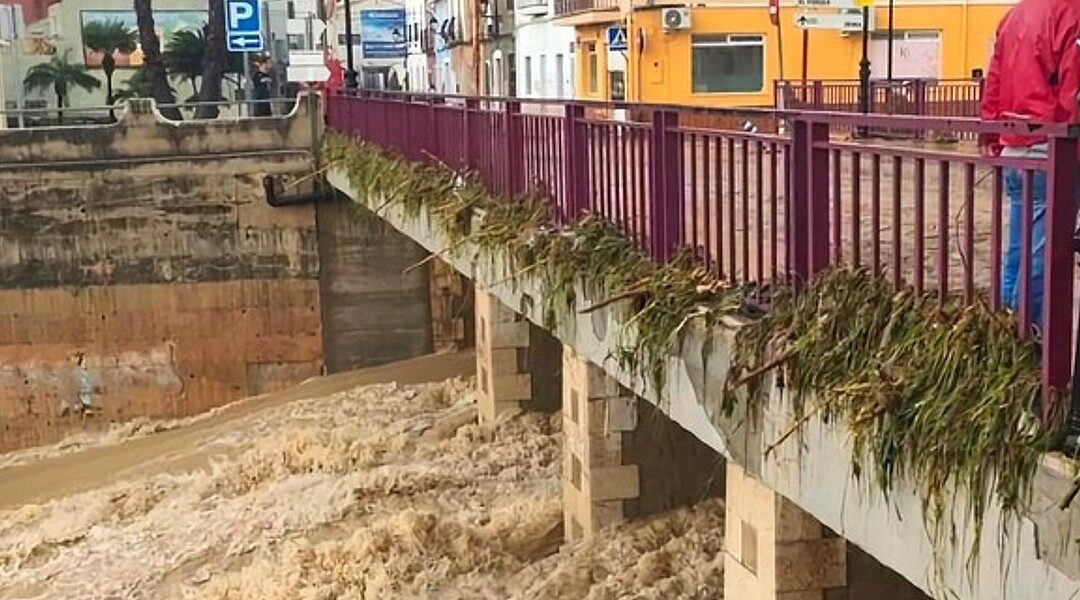
The Spanish government opened a pathway for victims of natural disasters like DANA Adam to be considered labor accidents, paving the way for enhanced support.
The Spanish government recently took a significant step with the introduction of a decree that could allow victims of natural disasters, such as DANA Adam, to be treated as if their situations were work-related accidents. This initiative, announced by Minister Elma Saiz, is encapsulated in Real Decreto-ley 31/2026, which came into effect on October 21st. The move does not yet establish new benefits for those affected in Valencia, but it creates a pathway for future legislative action.
Understanding the Directive
The new legal adjustment involves the 64th additional provision of the General Social Security Law. This provision opens the door for legal measures following a catastrophe to equate certain social security benefits to those provided for professional contingencies. Practically, it would mean similar treatment to that of a workplace accident, where affected individuals might receive 75% of their regulatory base from the day following the disaster, without prior contributions.
This shift, however, is not automatic. The legislation stops short of officially declaring DANA Adam a catastrophe, which is a separate requirement already established in past precedents like the 2024 declaration. Legal experts interpret the decree as a foundational step that allows for such recognition without necessitating extraordinary measures.
The Storm’s Continuing Impact
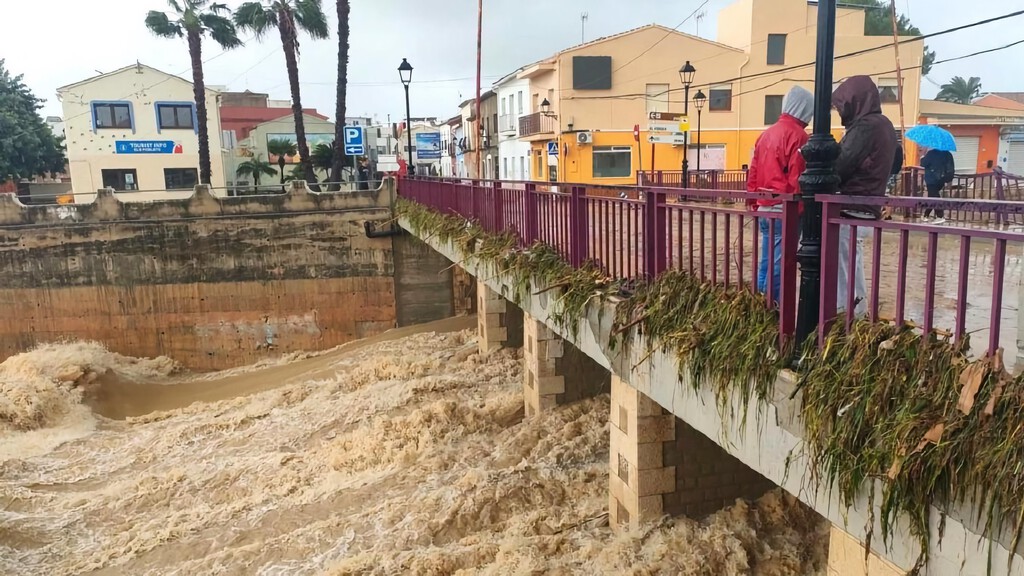
DANA Adam marks the third such weather event in the Mediterranean region in under a month, with significant rainfall and severe impacts. The Spanish Meteorological Agency (AEMET) and the Scientific Research Council (CSIC) have studied these phenomena, looking for patterns that might suggest future risks. Their research aligns more with tropical cyclone hypotheses than with typical explosive cyclogenesis, underscoring the need for ongoing governmental and scientific adaptation.
Amidst these challenges, regions like Gandía, Oliva, and Forna were heavily flooded, prompting national reflection on preparedness and response strategies. Prime Minister Sánchez, during a visit to one of the affected areas, Oliva, confirmed plans to declare severely impacted zones, thereby unlocking resources for reconstruction and expedited public contracting processes.
Activation and Convalidation
The governmental decree still requires parliamentary convalidation—a crucial step towards embedding this policy change into the fabric of disaster response. Until such specific decrees and aid packages are fully activated, victims must navigate the existing system. This involves securing medical documentation for any physical or psychological damages linked to the event and adhering to standard reporting and claim protocols.
Victims’ financial recuperation currently adheres to general insurance regulations, but the legislative shift hints at more robust future support. Individuals should retain evidence like photos and medical records, while seeking employment arrangements through measures like ERTE (Expediente de Regulación Temporal de Empleo) for force majeure, if applicable.
System-Level Shift: Governance and Automation
The decree represents a critical juncture in governmental adaptation to climate-induced emergencies. It mirrors a broader trend of automating and systematizing responses to disasters, thereby enhancing governance frameworks. The move reflects a shift toward predetermined, predictable reactions to sudden environmental shifts, streamlining processes that have historically been handled on an ad-hoc basis.
This represents a governance pattern that aims to ensure equitable and swift support through embedded legislative measures rather than reactive, case-by-case management. By aligning disaster response with labor accident frameworks, states can potentially reduce administrative friction and increase trust in public systems.
As governmental frameworks evolve in response to climatic shifts, the efficiency and inclusiveness of these policies are poised to improve. The adaptation seen in Spain’s approach offers a template for other nations confronting similar challenges, prompting reflections on global preparedness strategies. Pattern detected. Monitoring continues.