
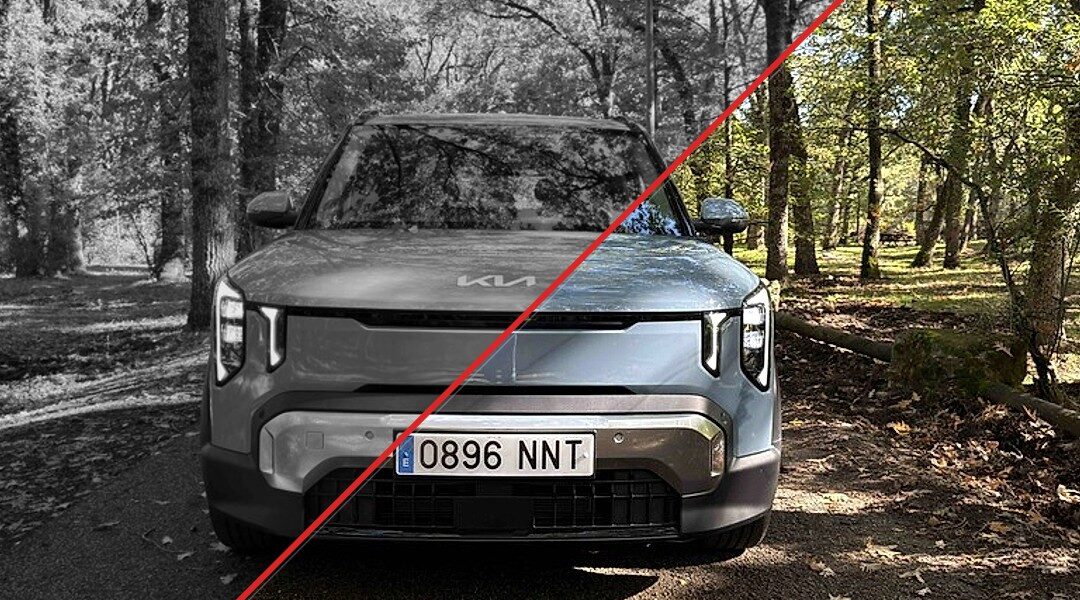
The Kia EV2 is redefining urban mobility with its compact size, efficient energy use, and affordability. This vehicle challenges traditional automotive consumption patterns.
In an era where sustainability and efficiency are at the forefront of technological innovation, the Kia EV2 emerges as a compelling solution for urban mobility. This compact electric vehicle is challenging the status quo by redefining what consumers need versus what they think they need in a car. With a length of just over four meters and a choice between a 42.2 kWh or a 61 kWh battery, the EV2 is purpose-built for city living while maintaining the capability for longer journeys.
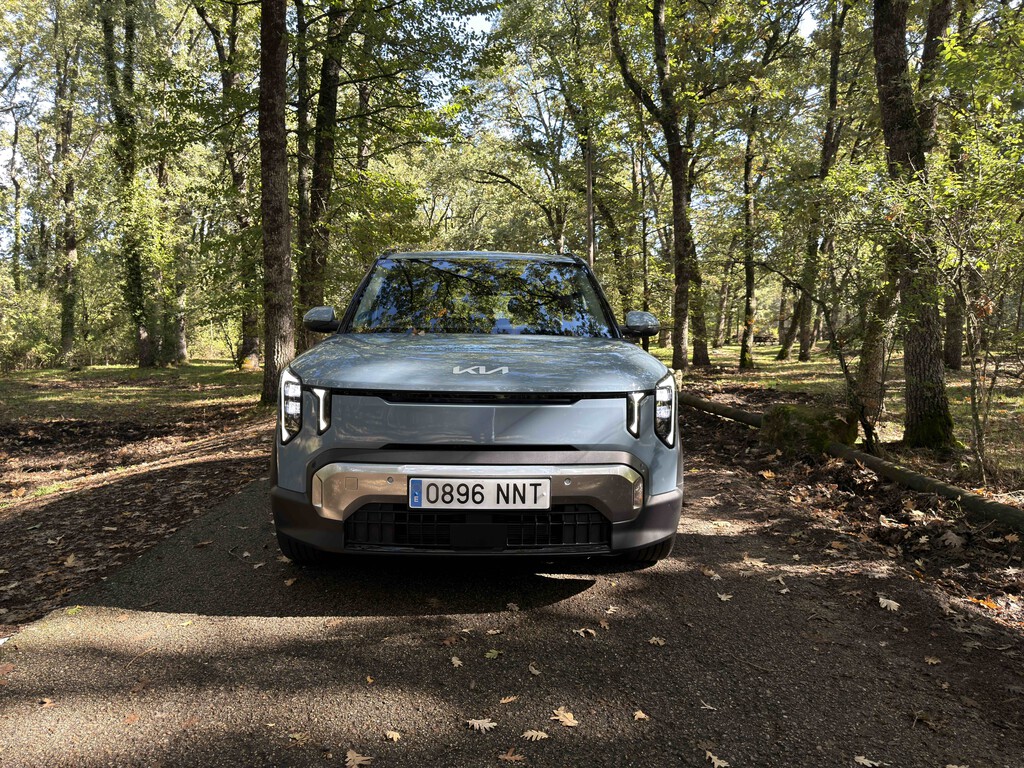
The paradigm shift in automotive consumption is evident. Traditionally, buyers have gravitated towards larger, more powerful vehicles under the assumption that more is better. However, the Kia EV2, with its modest footprint and impressive range, questions the need for oversized, fuel-hungry vehicles, especially for users whose primary driving involves urban landscapes. Its smaller battery variant offers a city range of approximately 350 kilometers on a single charge, catering perfectly to the average urban commuter.
Urban Efficiency and Cost Analysis
Let’s delve into the numbers. The EV2’s electricity consumption is markedly lower than its combustion counterparts. With an average energy use of 14 kWh per 100 kilometers, urban drivers could feasibly operate this vehicle for less than €6 a week—based on typical city driving distances and average electricity tariffs. Such efficiency not only lowers operational costs but also significantly reduces environmental impact.
In comparison to traditional vehicles like the Kia XCeed, which consumes around 6 liters of fuel per 100 kilometers, the savings with the EV2 are substantial. Over a typical week of 350 kilometers, the EV2 could save drivers upwards of €30, underscoring its economic benefits in urban settings.
Design and Functional Specifics
Beyond cost savings, the Kia EV2 offers practical advantages. Its compact dimensions allow for agile handling and ease of parking—an essential feature in densely populated urban areas. Internally, the EV2 maximizes space utilization with a flat floor design that enhances passenger comfort, particularly in the rear seats. This thoughtful use of space also supports incidental cargo needs, which, although not the vehicle’s primary focus, adds to its versatility.
System-Level Shift: Automation Layer
The integration of advanced technology in the EV2 further exemplifies an automation trend in the automotive sector. Features such as the Digital Key 2.0 and remote parking capabilities are not only convenient but also highlight a shift towards more connected and intelligent vehicular systems. This level of automation supports a seamless user experience while contributing to broader infrastructure modernization.
Reassessing Consumer Needs
The compelling question posed by the Kia EV2 is whether consumers genuinely need larger and more potent vehicles for their daily lives. The EV2’s design and capabilities encourage a reassessment of consumer priorities, particularly for the urban dweller. While it may initially appear that its smaller stature implies a compromise, the EV2’s strength lies in its efficiency and ease of use—a realization that could influence future purchasing decisions.
In conclusion, the Kia EV2 is more than just an electric vehicle; it’s a catalyst for change in consumer behavior and automotive design philosophy. Its focus on urban efficiency, automation, and cost-effectiveness aligns it perfectly with the needs of modern drivers, making it a vehicle that not only meets expectations but exceeds them in ways that truly matter. Pattern detected.