
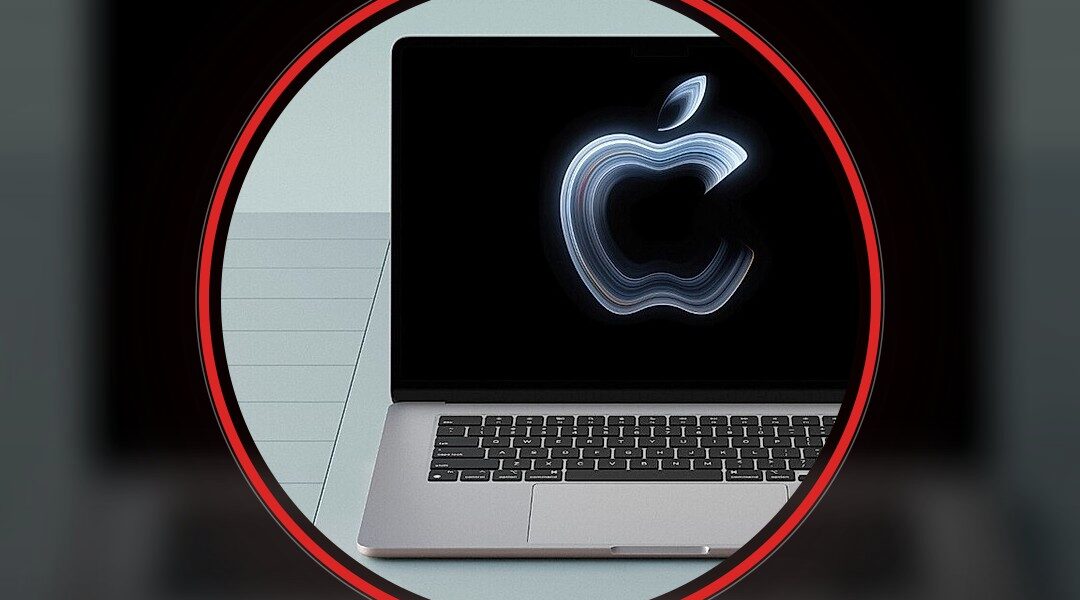
Apple’s first-ever touchscreen MacBook is rumored to debut next week, introducing OLED displays and touch capabilities. How does this shift impact the user experience and Apple’s strategy?
The anticipation surrounding Apple’s first touchscreen MacBook is palpable. Leaks suggest an imminent announcement, marking a significant milestone in the evolution of the Mac lineup. This development introduces a convergence of traditional laptop functionality with modern touch interface, enabled by cutting-edge OLED technology.
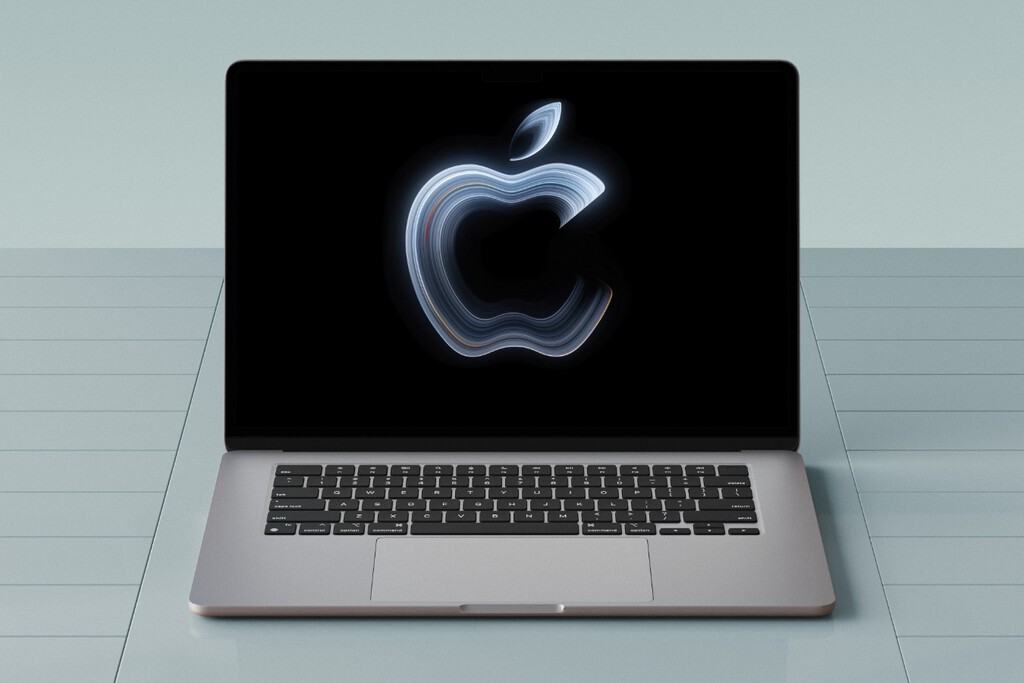
OLED Screens: A Quality Leap
The transition to OLED displays signifies not just a move to touch capabilities, but also a substantive upgrade in visual quality. Users can expect sharper images, deeper blacks, and superior contrast—a technical enhancement that aligns with Apple’s pursuit of excellence in user experience.
Touch Capabilities: Incremental, Not Revolutionary
While the introduction of touch functionality is groundbreaking for a MacBook, Apple’s approach appears conservatively evolutionary. The touch interface will cater to specific, often incidental tasks—such as dragging files or adjusting settings—rather than redefining the overall user experience. This restrained adoption may reflect a strategic decision to maintain the Mac’s identity distinct from its iPad counterpart, which has long embraced touch as a primary input method.
System-Level Shift: Interface Dependency
As Apple’s ecosystem evolves, so does its interface dependency—a pattern where user interactions increasingly rely on versatile input methods. The integration of touch values the muscle memory developed through devices like iPhones and iPads, subtly shifting user engagement without disrupting entrenched workflows. By adding touch to the MacBook’s repertoire, Apple enhances flexibility while preserving the device’s core functionality.
The Cognitive Adaptation Layer
This paradigm shift demands cognitive adaptation, particularly from users accustomed to pre-touch MacBook operations. New users might instinctively attempt to interact with screens, a behavior nurtured by years of smartphone and tablet use. This blend of inputs could align closely with digital behaviors observed among the younger demographics, who increasingly view touch as the norm.
Pricing and Strategic Implication
Despite the excitement, pricing remains an elephant in the room. Historical trends suggest a potential price increase aligned with industry-wide inflation, as noted with previous Apple product launches. The current MacBook Pro models set a high bar, and it’s plausible that these forthcoming models will uphold, if not exceed, these pricing structures—all under a relatively uncertain economic climate.
Given Apple’s track record, such premium pricing supports the narrative of quality over cost, positioning the touchscreen MacBook as a high-value tool for professionals and enthusiasts alike.
Release Timing and Market Impact
Set to be revealed next week and released in early November, the timing positions Apple to capture the holiday market’s attention. The strategic release aligns with seasonal purchasing trends, potentially bolstering Apple’s market presence. This launch illustrates Apple’s agility in adapting to user expectations while maintaining its innovative edge.
As the tech community awaits the official announcement, this integration of touch technology into the MacBook line underscores a nuanced yet pivotal shift in Apple’s vision. The company’s exploration of interface-dependent systems is a testament to its commitment to evolving user interaction paradigms.
Observation recorded.