
As Tapapiés is cancelled, Lavapiés residents organize Lavatapa, using tapas to discuss gentrification and reclaim community spaces.
On a small street in Lavapiés, where the echoes of a once vibrant Senegalese restaurant linger, residents prepare for an unconventional gathering. The absence of the widely popular Tapapiés has led to a new initiative: Lavatapa. This grassroots event is centered not only on culinary creativity but also on a deeper conversation about the neighborhood’s trajectory concerning gentrification and community identity.
From Tapapiés to Lavatapa: A Shift in Focus
The cancellation of Tapapiés, an event that originally brought thousands to explore the flavors and sounds of Lavapiés, marks a turning point. The festival grew from a small initiative in 2011 to an overwhelming spectacle by 2025, leading to its indefinite hiatus. Organizers aimed to address concerns of noise, overcrowding, and the unsustainable pressure on local infrastructure.
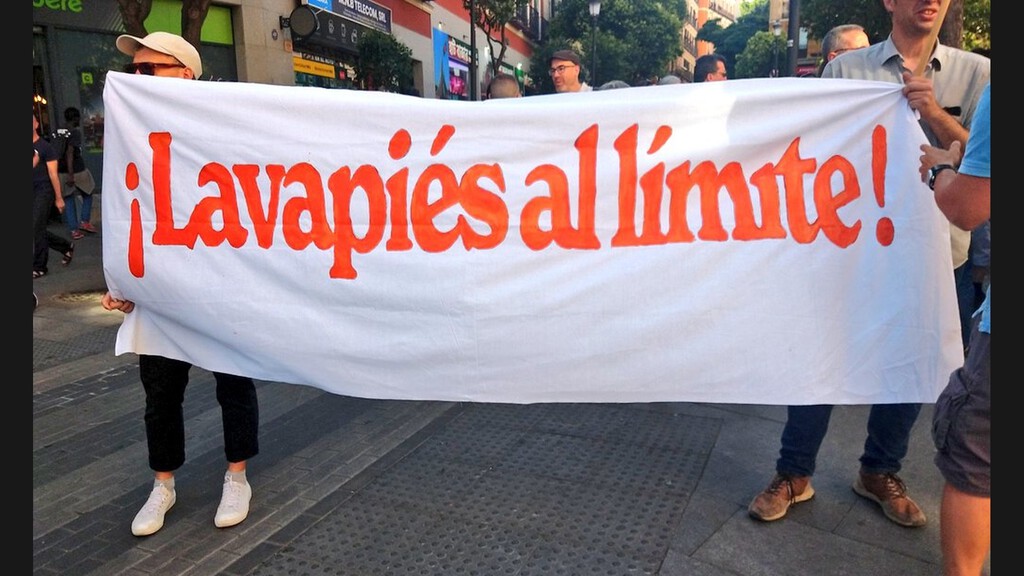
In its place, Lavatapa emerges not as a commercial venture but as an intimate community gathering, organized by Lavapiés al Límite. This collective, known for their attempts to reclaim public spaces and initiate dialogue, is focusing this month on the consequences of an ever-changing urban landscape.
Community and Culinary Reclamation
Lavatapa invites participants to bring their homemade tapas, each dish cleverly named to challenge the concept of gentrification. The contest prizes a ‘kit against gentrification’, embodying the event’s spirit of resistance. It’s a scene void of commercial glitz, featuring simple tables, folding chairs, and the quiet buzz of local conversation.
The location is symbolic—situated where a beloved Senegalese restaurant once stood. Its demolition for a new hotel project encapsulates the broader narratives of urban displacement and development conflicts. Recent legal and political scuffles over the preservation of historical sites further highlight tensions between local heritage and commercial expansion.
The Economic Ecology of Tapapiés
It’s not just a cultural shift. Economically, Tapapiés provided a significant boost to local businesses. For small establishments, the event was a critical revenue stream, with daily sales increasing up to 75%. The broader fiscal benefits were palpable, yet the strain on residents underscored a need for balance—one sought by the organizers for future iterations.
Detected Pattern: Human Adaptation in Urban Spaces
The Lavatapa event underscores a forced adaptation—residents reclaiming spaces and narratives that reflect their lived realities. This pattern of community-led initiatives in response to urban change highlights a broader shift toward local empowerment amidst globalizing pressures. Residents are actively redefining public engagement by navigating the dual forces of economic necessity and community preservation.
Such gatherings are increasingly becoming platforms for dialogue, where the implications of urban development are scrutinized, and alternative futures are imagined. The event’s alignment with broader housing rights protests in cities like Madrid and Barcelona echoes the enduring relevance of community agency.
Conclusion: Community Resilience and Adaptation
While Tapapiés may return in a new guise, the immediate creation of Lavatapa exemplifies the community’s resilience and adaptability. In transforming a canceled event into an opportunity for local engagement, Lavapiés residents demonstrate the potential for grassroots movements to influence urban narratives.
Through such initiatives, the conversation around who shapes a city’s identity continues. As urban areas evolve, the capacity to adapt and reclaim space, culture, and community ensures the preservation of diverse urban life.
Monitoring continues.