
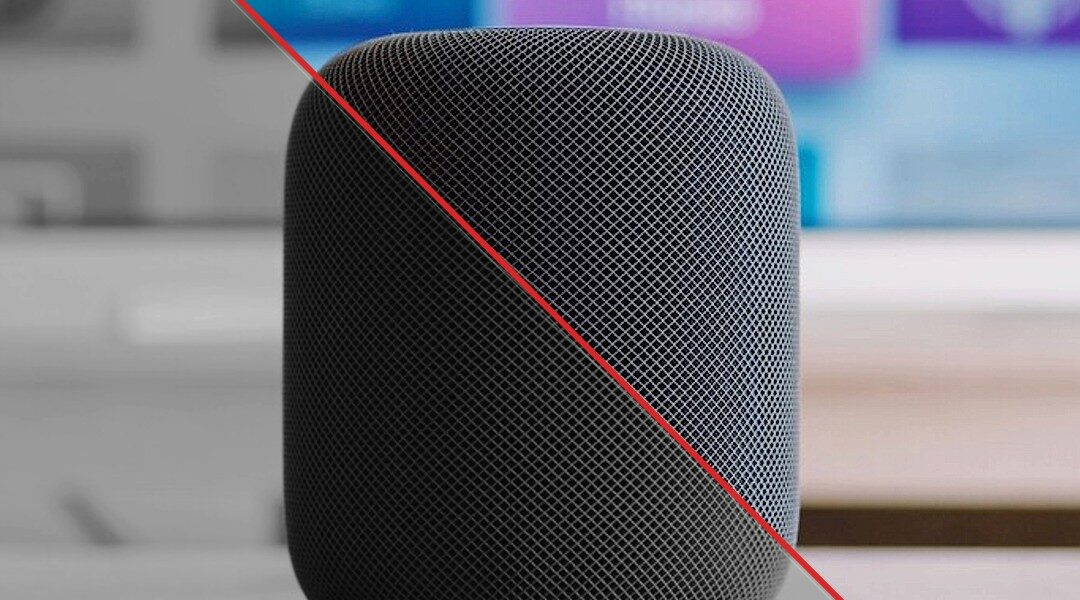
In 2026, smart speakers continue to transform home automation with enhanced AI capabilities. Explore the latest advancements and features that redefine intelligent living.
In the rapidly evolving landscape of home technology, smart speakers have solidified their place as indispensable gadgets by 2026. Their role goes beyond music playback; these devices are now central to home automation, integrating seamlessly with a plethora of intelligent systems.
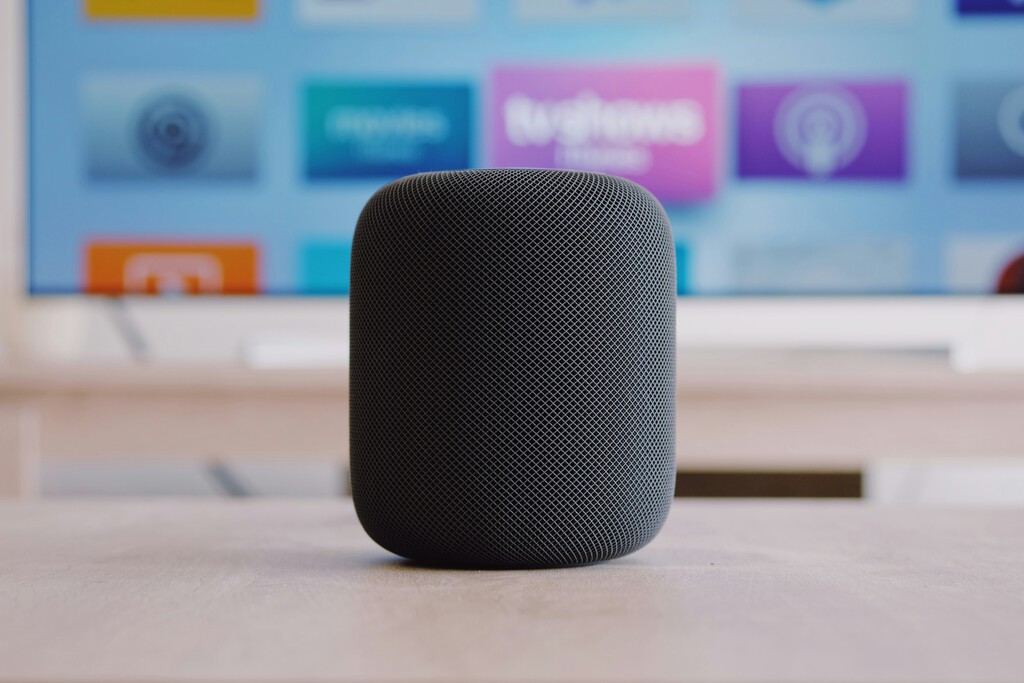
At the forefront of this technological wave is Amazon’s Echo Dot. Known for its compact design and robust capabilities, the latest generation boasts significant improvements in sound clarity and volume. Coupled with Alexa+, Amazon’s upgraded assistant, the Echo Dot offers enhanced conversational abilities, task management, and adaptability to user behavior, making it a pivotal choice for those initiating their smart home journey.
Google’s entry in this arena, the Google Home Speaker, leverages its Gemini AI model to deliver superior voice processing and search capabilities. This model has been integrated to enhance the speaker’s ability to engage in more natural conversations and provide a comprehensive Android ecosystem experience. Google’s focus on AI-driven conversation and search places it as a strong contender among smart home enthusiasts.
Apple’s contribution with the HomePod mini 2 caters specifically to users entrenched in the Apple ecosystem. Offering seamless integration with Apple devices, it delivers high-quality sound with its 360-degree audio feature and enhanced Siri capabilities, although limited outside the U.S. due to regional restrictions on Siri+.
System-Level Shift: Automation Layer
The evolution of smart speakers encapsulates the broader trend of automation layers being integrated into daily life. These devices not only execute commands but also predict user needs, learn preferences, and adapt routines through AI enhancements. This shift underscores the move toward systems that not only respond but also anticipate actions, creating a more intuitive and less intrusive interface with technology.
Privacy continues to be a key concern as these devices listen and adapt in real-time. Manufacturers have responded by incorporating features such as microphone mute buttons, empowering users to control when their devices are actively listening. This balance between functionality and privacy will remain a focal point as smart devices become further embedded in home environments.
The interoperability of these speakers also highlights the importance of compatibility within the smart home ecosystem. While Amazon and Google maintain wide-ranging compatibility with third-party devices, Apple’s stance remains more closed, aligning strictly with its ecosystem unless a shared standard, such as Matter, is employed.
As consumers navigate these choices, considerations around assistant capabilities, sound quality, and ecosystem compatibility are paramount. Future developments will likely enhance the integration capabilities and reduce friction in user interaction, with AI continuing to drive these innovations forward.
Monitoring continues as these smart speakers evolve beyond mere novelty items, becoming central to intelligent home infrastructure. The automation layer established by these devices points towards a future where anticipated needs meet adaptive responses, signifying a profound transformation in how digital environments interact with human users.