
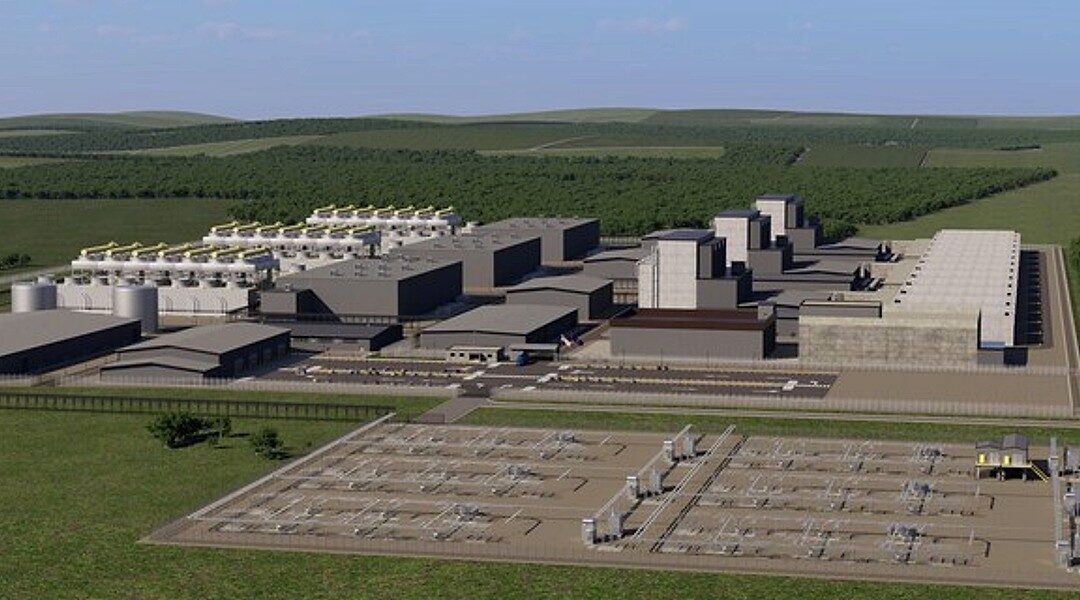
Amazon, in collaboration with X-energy and AEP, plans a nuclear power plant in Indiana for its data centers. Exploring SMRs reflects a deviation toward sustainable digital infrastructure.
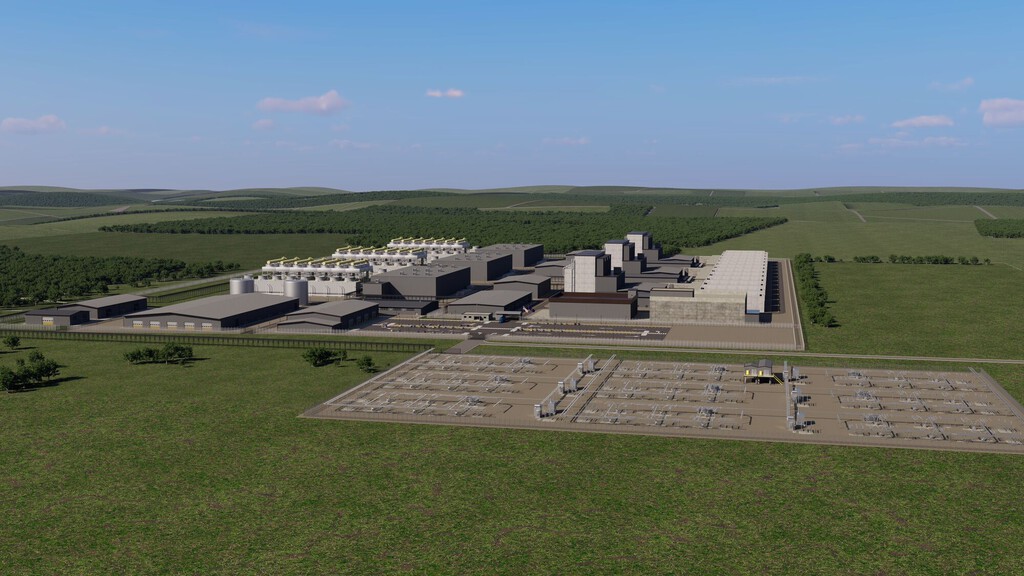
Amazon has announced a significant investment in nuclear energy, marking a critical shift in how major tech companies are sourcing power for their vast data centers. Collaborating with X-energy and American Electric Power (AEP), Amazon plans to develop a nuclear power plant in Indiana, which will integrate twelve small modular reactors (SMRs) on a former coal power plant site.
Powering AI with Nuclear Energy
The surge in data-driven AI operations demands colossal energy, leading tech giants like Amazon to explore robust and sustainable energy solutions. Nuclear energy, particularly from SMRs, offers a viable path due to its low carbon footprint and high energy output. Amazon aims to introduce over 5 gigawatts of nuclear capacity in the U.S. by 2039, with Indiana being the second venture following a similar project in Washington State.
Details of the Nuclear Initiative
The Indiana project will utilize twelve Xe-100 reactors by X-energy, each capable of producing 80 megawatts. Located on the site of the defunct Breed Generating Station in Sullivan County, the plant will not only serve Amazon’s data centers but also feed energy into the regional grid. AEP’s subsidiary, Indiana Michigan Power, with decades of nuclear operation experience, is set to manage the plant’s operations. Amazon claims the initiative will generate substantial employment, with over 1,000 construction jobs and more than 100 permanent positions.
Technical and Economic Insights
Amazon has committed billions to these nuclear projects, including a $700 million investment in X-energy in 2024. While these financial commitments underscore the project’s scale, Amazon abstains from the regulatory approval role, focusing instead on acting as both an investor and primary consumer of the nuclear-generated power. The design of the Xe-100 reactor, featuring helium cooling and TRISO fuel, emphasizes inherent safety, reducing the risk of nuclear meltdown without active human intervention.
Challenges and Regulatory Landscape
The nuclear path is not without its hurdles. The United States has yet to operationalize a commercial SMR, and X-energy has not built a reactor to date. The Xe-100 remains in development, pending regulatory approvals that are site-specific. While the project in Texas, involving Dow Chemical, is nearing the end of its review by the Nuclear Regulatory Commission, it highlights the intricate regulatory landscape that similar projects in Indiana will face.
Moreover, the site of the Texas project is embroiled in legal disputes over compliance with environmental standards, potentially delaying progress.
System-Level Shift: Infrastructure and Sustainability
Amazon’s pivot to nuclear power for its data centers illustrates a profound shift in digital infrastructure strategies. By leveraging SMRs, the company not only seeks to mitigate its carbon footprint but also to stabilize power resources amidst growing AI demands. This infrastructural leap could set a precedent for digital businesses seeking sustainable operations while potentially revolutionizing energy sourcing for tech infrastructures globally.
The timeline for the Indiana plant extends potentially to the mid-2030s, reflecting the intricate planning and execution that such transformative projects entail. Meanwhile, the first announced plant in Washington is scheduled for construction by decade’s end.
Through this initiative, Amazon underlines how tech firms are increasingly vested in reshaping energy landscapes, influencing regulatory reform, and embracing innovative infrastructure. Monitoring continues.