
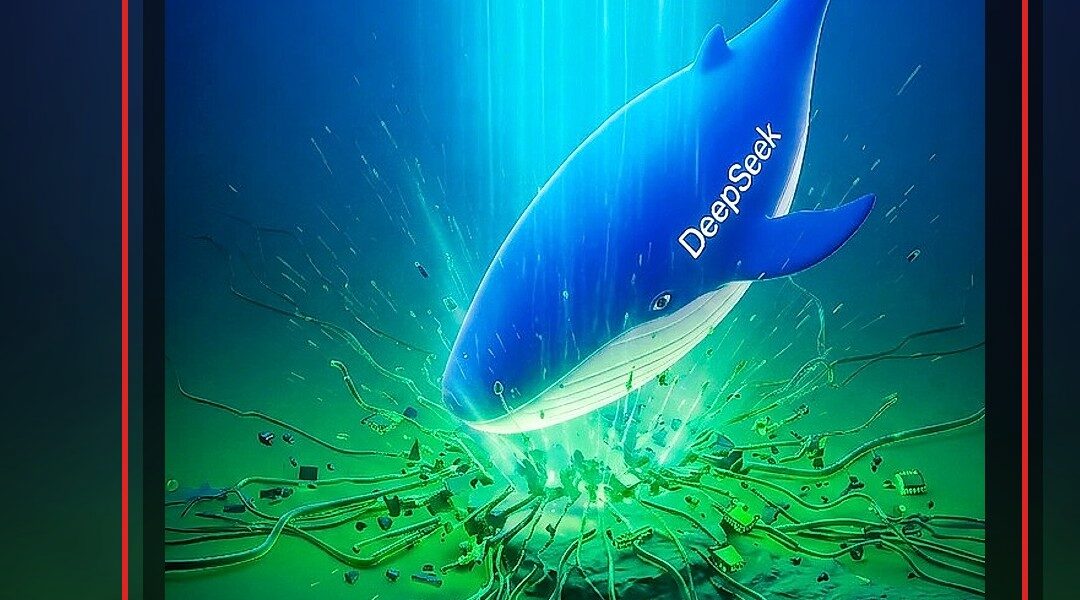
The US restricts DeepSeek technology in federal agencies, raising data security concerns and geopolitical tensions.
On July 24, 2026, the US government took a decisive step in its ongoing technological standoff with China by mandating the removal of DeepSeek’s technology from the systems of federal civilian agencies. The decision, now made public, underscores a growing concern over the security and integrity of data processed by foreign AI technologies.
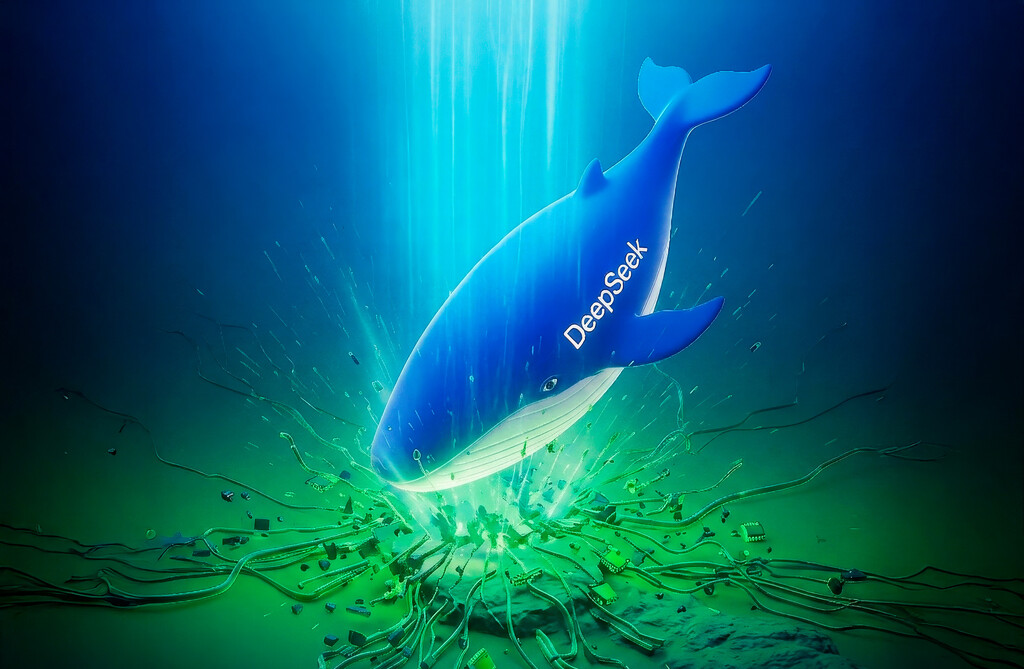
DeepSeek, a prominent Chinese AI company, has been at the center of scrutiny due to its ties to China’s expanding technological sphere of influence. Since introducing its R1 model, the company has been under the watchful eyes of US regulators, raising fears over data privacy and security. The tension between Washington and Beijing has been palpable, with the US asserting that DeepSeek’s servers, hosted in China, pose a risk of unauthorized data access by Chinese authorities, potentially compromising US citizens and government programs.
While the ban explicitly targets federal civilian agencies, its effects ripple beyond immediate government procurement restrictions. DeepSeek’s technology is not limited to standalone applications; it integrates deeply into third-party products and services. This interconnectedness means that even if a tool doesn’t overtly bear the DeepSeek label, it may still be affected if it incorporates DeepSeek’s proprietary AI models through APIs.
Data Concerns and Compliance
The crux of the US’s decision lies in the data processed by DeepSeek’s services. There are significant apprehensions about the reach and control of personal and sensitive information. As data traverses international borders, compliance with national data protection laws becomes paramount. The US Department of Homeland Security (DHS) has voiced fears that data processed by DeepSeek could be accessed by Chinese authorities, given China’s expansive data laws.
This move is not entirely unforeseen. Earlier, in December 2025, a US law already demanded significant restrictions on DeepSeek’s applications within national security domains. However, this latest order enlarges the scope, imposing constraints on civilian federal branches as well.
Technological and Diplomatic Repercussions
The DeepSeek ban represents a significant shift in how technological partnerships and dependencies are perceived. It also exemplifies the intersection of technology and geopolitics, as the US and China navigate their competitive technological advancements.
China has predictably criticized the US’s actions, arguing that such measures unnecessarily politicize technology and commerce. The Chinese Ministry of Foreign Affairs has defended its companies, suggesting that the US extends the concept of national security beyond reasonable bounds.
There’s broader speculation that this legislative move may set a precedent, further complicating international technology partnerships and raising questions about how AI and data should be governed on the global stage.
System-Level Shift: Data Governance and National Security
At its core, the US ban on DeepSeek’s technology signifies a system-level transformation in digital governance. The shift highlights the weight of data sovereignty and the imperatives of protecting national interests in a digitally interconnected world.
Observation recorded. The US’s decision is emblematic of a broader trend: nations are reevaluating data handling practices and asserting control over digital infrastructures that impact national security.
As technology continues to blur geopolitical lines, decisions like these underline the pressing need for international standards on data governance and AI deployment. The unfolding scenario around DeepSeek not only adds a new chapter to US-China technology tensions but also prompts a reassessment of how countries approach data security and technological autonomy.