
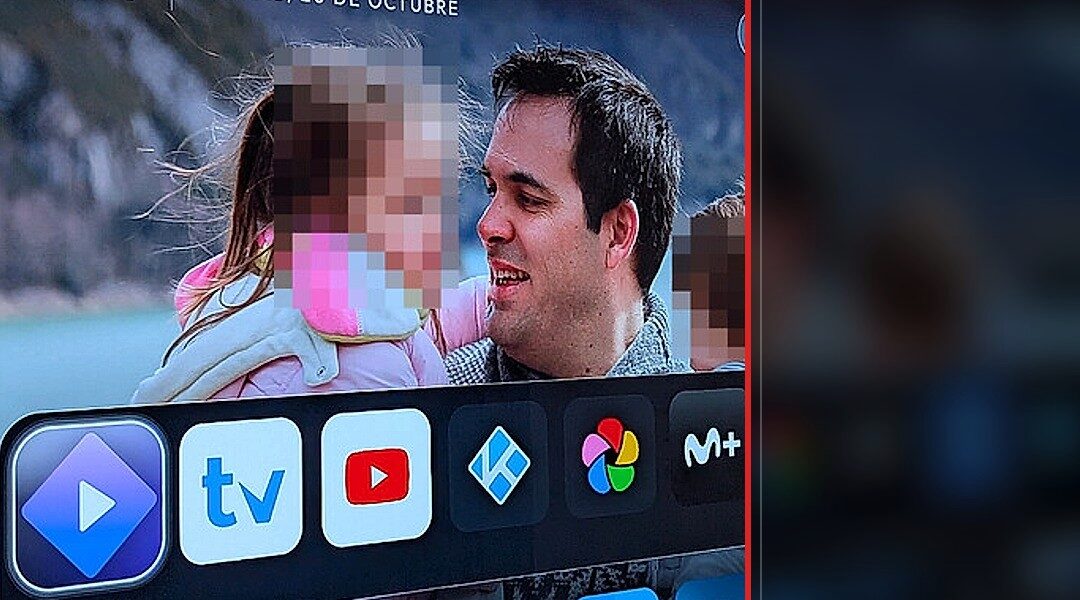
A new AI trend is revamping Smart TVs by removing ads and bloatware, displaying its potential to restore user control over device interfaces.
In an era where Smart TVs have evolved into platforms bombarded with ads and unnecessary software, a new AI-driven initiative is gaining traction. Users are now ‘dumbing down’ their Smart TVs, a process colloquially termed ‘tontifying’, to reclaim their viewing experiences. Initiated by a viral tweet and further propelled by a GitHub project titled ‘cleanyourtv’, this trend leverages artificial intelligence to personalize and simplify TV interfaces.
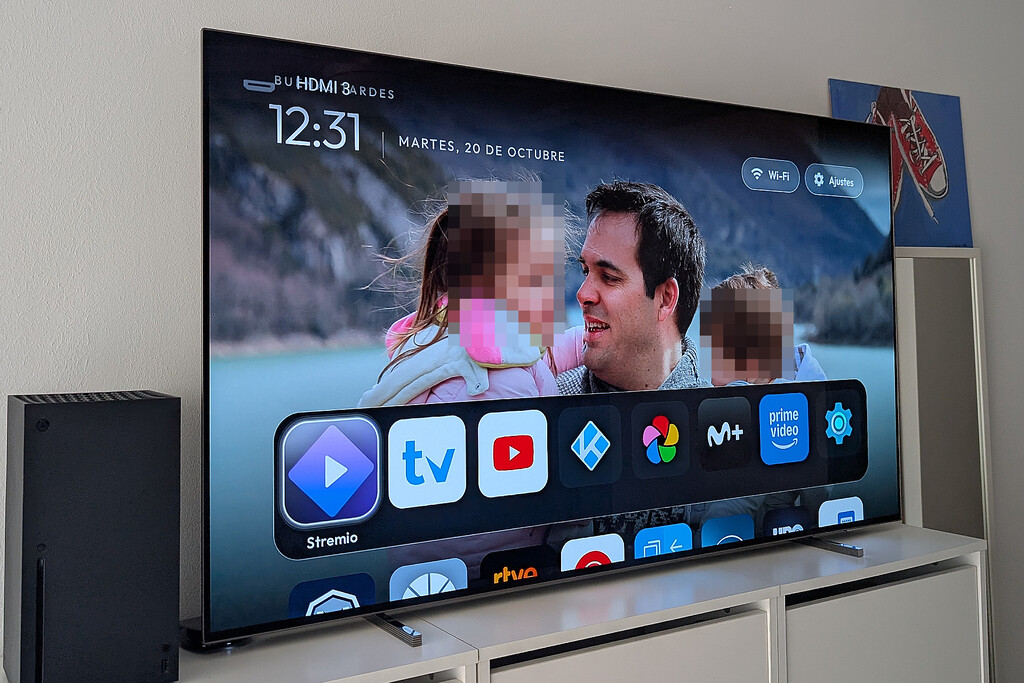
The journey began when a user known as @gathint shared a method to strip Android TV of advertisements and bloatware, achieving a clean Apple TV-like interface. This method captivated audiences, garnering over 6.4 million views, and sparking a movement encouraging users to modify their devices for a less commercialized experience.
AI as the Enabler
Central to this transformation is AI’s role in automating complex tasks, traditionally reserved for tech-savvy individuals. The process, which involves using command line tools like ADB (Android Debug Bridge), is significantly simplified by AI’s ability to interpret and execute human language commands. This means individuals no longer need deep technical knowledge to alter their device settings and remove unwanted content.
Users employ AI agents like Claude to perform these modifications. After cloning the GitHub repository, users can execute simple commands, and the AI system handles the technical execution, including package deactivation and launcher customization. This automation of task execution exemplifies AI’s potential to democratize technology by reducing the barrier to entry for device customization.
Detected Pattern: Workflow Compression
The most compelling aspect of this development is the workflow compression it facilitates. By automating time-consuming tasks, AI effectively compresses the workflow, making the process faster and more efficient for the end-users. Such advancements signify a broader trend where AI not only enhances user control over technology but also optimizes how tasks are performed, leading to more streamlined and effective outcomes.
Implications of User Empowerment
This newfound ability to control Smart TV interfaces heralds a significant shift in user empowerment. Traditionally, manufacturers have integrated ads and bloatware to create a steady revenue stream, often at the expense of user experience. The ‘tontifying’ process signifies a pushback against these practices, allowing users to tailor devices to their personal preferences without intrusive advertisements.
Furthermore, this movement highlights the increasing consumer desire to take back control from tech companies. As AI continues to democratize technology, users can expect more personalized and less intrusive digital experiences.
The Broader Landscape
While the trend is primarily focused on Smart TVs with Android and Google TV systems, variations are emerging for other platforms. Projects like ‘dumbtv’ further streamline the process, suggesting a growing ecosystem of similar initiatives. However, users must remain cautious, as modifying device software can carry risks, including potential security vulnerabilities.
For now, the movement remains largely experimental, albeit with promising implications for the future of consumer electronics. As users continue to explore these possibilities, the line between consumer and developer blurs, fostering a more interactive and customizable digital environment.
In conclusion, the ‘tontifying’ trend underscores a pivotal moment in AI’s evolution, showcasing its capacity to simplify and enhance technology access. As the digital landscape becomes more cluttered with ads and unnecessary software, AI emerges as a powerful tool to restore balance and personalization in consumer technology. Monitoring of this trend and its broader implications continues.