
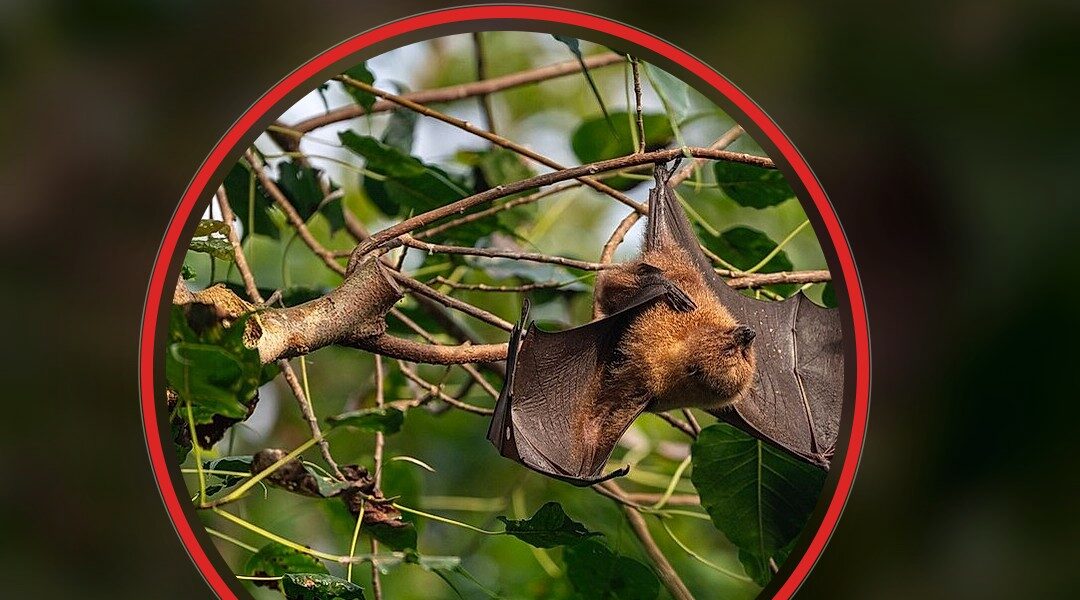
A pilot project in Vigo leverages bats to enhance and protect forest plantations. This innovative approach may transform traditional forest management.
Bats have often been misunderstood creatures, typically viewed with fear rather than fascination. Yet, in the lush landscapes surrounding Vigo, these nocturnal mammals are on the brink of playing a pivotal role in forest conservation efforts. Arcea Xestión de Recursos Naturais, a consultancy based in Vigo, is spearheading a pilot project that seeks to integrate bat populations into the management of forest plantations.
Ecosystem-Based Management
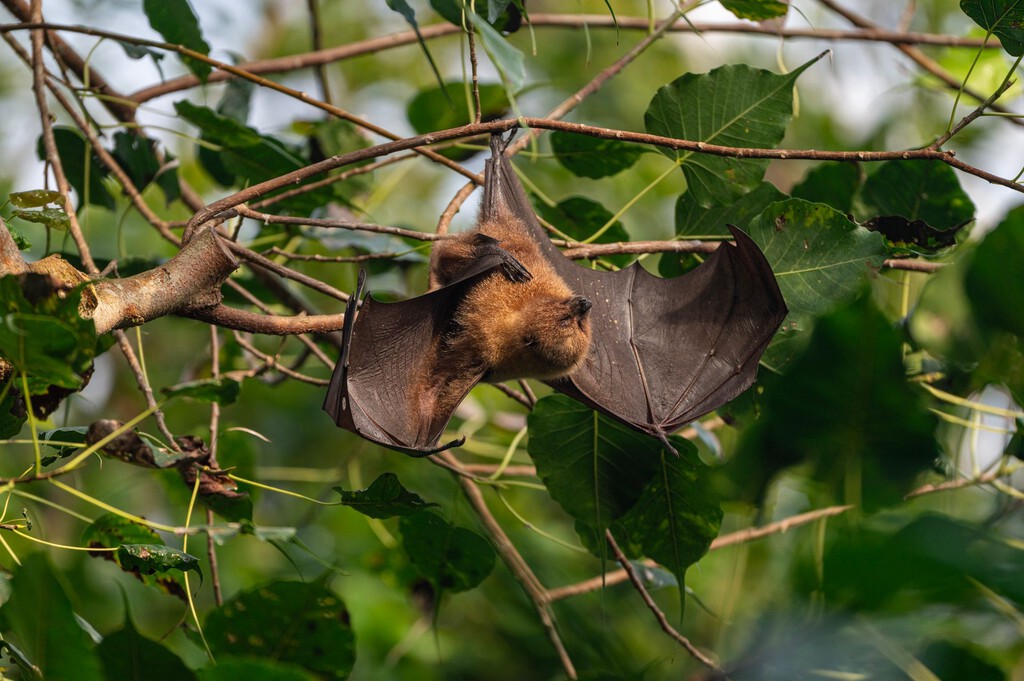
The core of this initiative lies in enhancing the ecosystem services provided by bats. These creatures are natural pest controllers, consuming large quantities of insects that could otherwise ravage forest plantations and spread diseases. This natural pest control mechanism offers a sustainable alternative to chemical pesticides, presenting a compelling case for wildlife-friendly forestry.
Supported by a grant from Ence’s corporate social responsibility program, the project aims to create a harmonious environment for bats within forest plantations. This involves establishing necessary infrastructure such as shelters, feeding zones, and water sources, thereby encouraging bats to thrive in their natural habitat. The program is active in the regions of Ponte Caldelas and Cercedo-Cotobade, areas where forest management practices heavily influence local biodiversity.
Historical Presence and Biodiversity
Bats have been a part of the European ecosystem since the Paleocene epoch, as revealed by a study in Nature that maps the origin of bats with a high probability to this region. Despite their longstanding presence, modern forest management practices often overlook the needs of these creatures. Forests, which serve as critical habitats, are frequently transformed into managed plantations, disrupting the ecological balance.
Conservation efforts spearheaded by Arcea seek to address this imbalance by focusing on species that rely heavily on forest formations for survival. With 11 different species of bats prevalent in Galicia, including those well adapted to urban environments like the common pipistrelle and the grey long-eared bat, the area presents a unique opportunity to pioneer biodiversity-friendly farming.
Challenges in Monitoring and Implementation
One significant challenge in this endeavor is accurately assessing bat populations, essential for effective conservation planning. Unlike the conventional image of bats clustering in caves, many species disperse across trees and buildings, complicating population counts. To overcome this, Arcea employs acoustic recording techniques and habitat mapping to monitor bat activity and understand ecological needs better.
Engaging stakeholders is another critical aspect. The project incorporates educational campaigns targeting local communities and forest management authorities, emphasizing the economic and ecological benefits of integrating bats into forest management strategies. These initiatives are crucial in securing long-term commitment and support from the involved parties.
System-Level Shift: Programmable Environment
At a system level, this initiative represents a significant shift towards a programmable environment, where ecological processes are harnessed to enhance productivity. By integrating bats into the fabric of forest management, there is a move towards environments that are dynamically managed for biodiversity and sustainability.
This approach not only supports ecological integrity but also exemplifies a model of adaptive management that prioritizes long-term environmental health over short-term gains. The success of this initiative could potentially serve as a blueprint for similar projects globally, emphasizing the importance of biodiversity in enhancing agricultural and forest productivity.
By shifting focus from traditional pest control methods to ecosystem-based management, the project in Vigo highlights how technological advancements in monitoring and habitat assessment can lead to significant breakthroughs in conservation efforts. As more stakeholders realize the economic viability of such projects, the integration of wildlife into agricultural management may pave the way for a paradigm shift in sustainable farming practices.
Observation recorded.