

Anthropic’s acquisition of xAI’s Colossus 1 highlights a shift from AI innovation to neocloud infrastructure, reflecting a broader pattern of automation and digital behavior adaptation.
The recent strategic move by Anthropic to acquire xAI’s Colossus 1 data center marks a significant transition in AI infrastructure management. What initially seems like a shift away from front-line AI model innovation reveals a deeper pattern of adaptation towards becoming a ‘neocloud’ service provider.
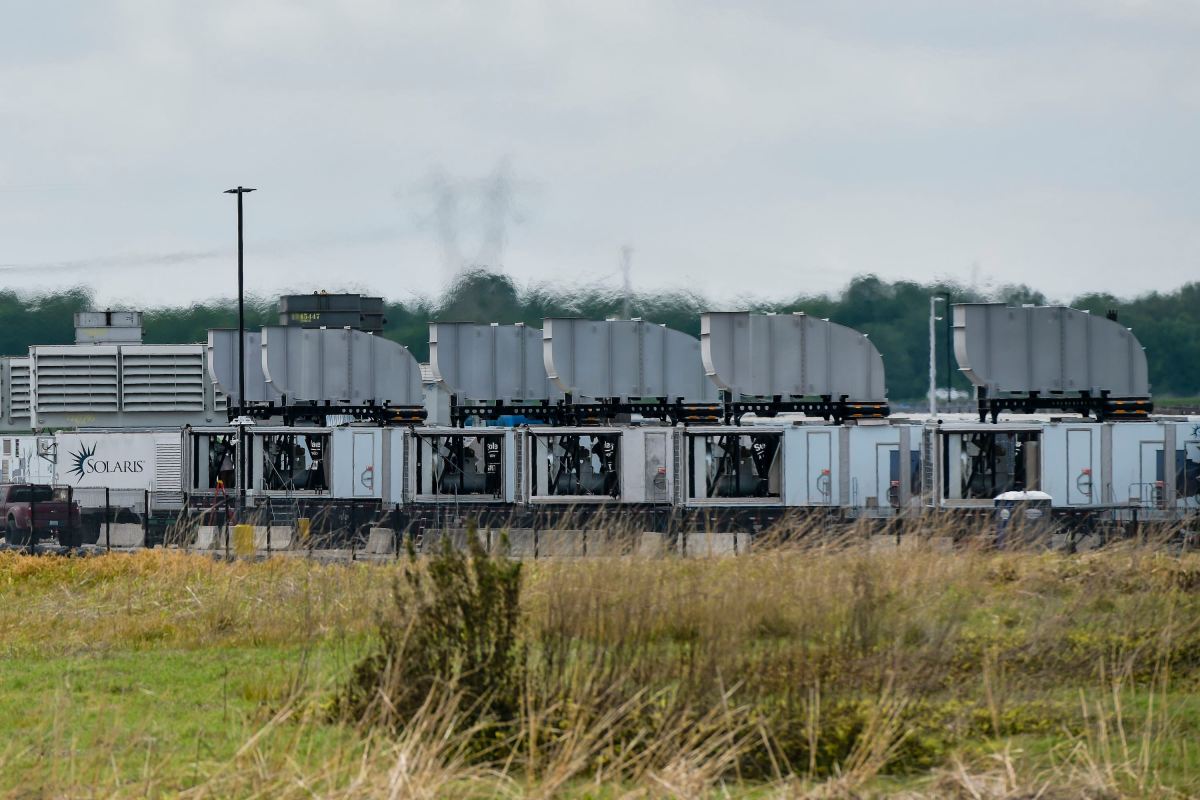
Traditionally, organizations like xAI would capitalize on their compute capacity by advancing their proprietary AI models. However, the current maneuver sees xAI pivoting towards renting out these resources, a method reflective of broader market dynamics where neocloud infrastructure is becoming a salient feature.
Transitioning to Neocloud
Anthropic’s decision to purchase the complete compute resources at Colossus 1 is emblematic of a strategic adaptation within the industry. Neocloud infrastructure—defined by the procurement and rental of vast computational resources rather than utilizing them for internal development—illustrates a growing trend. This trend reflects an operational model wherein infrastructure is not merely a support system but a core business offering.
Companies engaging in this business model shift focus from deep AI innovation towards providing AI as a utility, essentially selling computational power to the highest bidder. The implications for xAI and Anthropic are profound, suggesting a recalibration of core business priorities in favor of monetizable infrastructure capabilities.
Infrastructure and System-Level Impact
The impact of such transitions is multifaceted. For organizations like xAI and SpaceX, it presents a financially viable path amidst the complex dynamics of IPO preparations. From a system-level perspective, this move signals a convergence of AI capabilities with traditional cloud computing models, blurring the lines between cloud service providers and AI companies.
Moreover, the environmental implications of data centers like Colossus 1 cannot be overlooked. Legal challenges related to environmental sustainability are an emerging concern, reflecting broader societal and regulatory pressures on data-centric enterprises.
Behavioral Adaptation in the AI Landscape
This transition also reflects a behavioral shift in how companies interact with AI technologies. Where there was once a focus on proprietary model development, there’s now an emphasis on infrastructure utility. Such changes indicate an evolving relationship between AI companies and their technological environments, moving from innovation hubs to essential service providers within the digital ecosystem.
As companies realign their strategies, there’s a noticeable pivot in expectations—both internally and externally. AI divisions within organizations are increasingly viewed not just as research entities but as contributors to the broader operational economy, powered by a service-providing infrastructure.
Implications for Future Developments
The dissolution of xAI as a standalone entity into SpaceXAI reflects a consolidation trend, aimed at streamlining operations and enhancing market appeal. For investors, the narrative changes from speculative AI advancements to tangible, reliable revenue streams derived from infrastructure leasing.
This evolution underscores a prevalent pattern: AI’s role as an infrastructural backbone. Through these operational shifts, companies can cater to enterprise clients seeking robust computational support, paving the way for more granular, enterprise-focused AI solutions.
Pattern detected: shift from proprietary AI model development to infrastructure-based monetization.
As the digital landscape evolves, these shifts in operational strategy signal a broader movement: AI services increasingly resemble traditional infrastructural commodities rather than exclusive technological marvels. This evolution may redefine investor expectations and consumer interactions with AI technologies.
The Anthropic and xAI alignment reflects this systemic transformation. As these companies redefine the AI service model, they potentially set the stage for a new era where AI infrastructure fundamentally supports and accelerates digital innovation across industries.
Observation recorded.