
Explore MediaMarkt’s discounted iPhones from current and past generations, showcasing a strategic approach to clearing inventory and offering consumers affordable tech.
In a dynamic move to streamline inventory and offer competitive pricing, MediaMarkt has tapped into the e-commerce sphere with a new strategy focusing on iPhones. As consumer electronics continue to evolve, finding a balance between selling previous and current models becomes crucial for staying relevant in the digital business landscape.
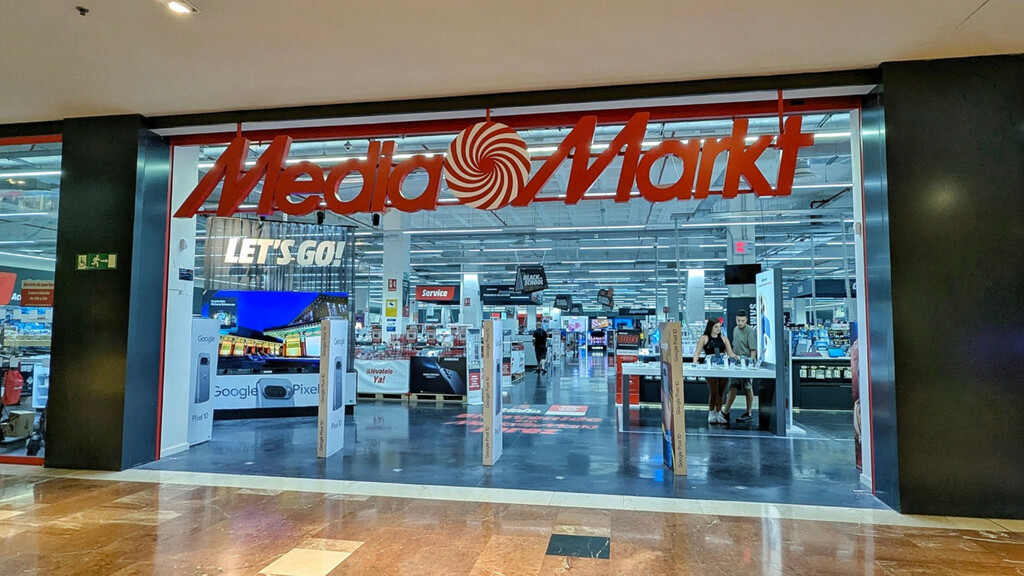
MediaMarkt, a notable player in the retail electronics sector, has adopted a dual-channel approach, leveraging both its main store and eBay outlet. This strategy not only expands their market reach but also ensures optimal inventory turnover. By featuring a range of iPhones, from the iPhone 16 to the latest iPhone 17, MediaMarkt offers consumers a spectrum of options that fit varying budgets and needs.
Pricing and Consumer Appeal
The pricing of these iPhones is a testament to MediaMarkt’s understanding of market dynamics. The iPhone 16, positioned at €718, caters to those looking for quality without breaking the bank. Its compact size and the inclusion of the A18 chip make it a compelling choice for users valuing portability. Meanwhile, the iPhone 16 Plus offers a larger display and battery at €749.90, appealing to users who prioritize screen real estate and longevity.
Current Models in the Mix
Incorporating current models, such as the iPhone Air and iPhone 17, MediaMarkt ensures they cater to tech enthusiasts seeking the latest innovations. The iPhone Air stands out with its sleek design, priced at €849, equipped with the formidable A19 Pro chip, representing power in a thin package. The decision to include the iPhone 17 at €971.10, with its high refresh rate and ample storage, ensures that even top-tier tech is accessible at a fraction of traditional retail prices.
System-Level Shift: Workflow Compression
The strategy employed by MediaMarkt embodies a significant workflow compression pattern. By utilizing an external platform like eBay in conjunction with their primary retail space, MediaMarkt compresses the traditional sales cycle. This allows for quicker turnover of units and streamlined operations. The supply chain efficiencies and reduced time in transferring stock from store to consumer are indicative of a broader trend in digital business optimization.
Such practices not only enhance MediaMarkt’s profitability but also provide agility in response to consumer demand shifts. By embracing these efficiencies, the company sets a benchmark for other retailers aiming to integrate traditional and digital sales channels effectively. This form of ecommerce strategy highlights the importance of adaptive business models in a technology-driven market.
Consumer Behavior and Market Impact
With these discounted offerings, MediaMarkt taps into shifting consumer behaviors where affordability and accessibility to technology play a pivotal role. The allure of obtaining premium tech at reduced costs aligns with broader economic trends where consumers seek value-driven purchases. This shift in buying behavior reflects a growing desire for high-quality, yet affordable electronics, pushing retailers to adapt or risk obsolescence.
Moreover, the impact on the broader market is profound. Such initiatives can pressure competitors to consider similar tactics or risk losing market share. This cycle of competitive pricing can ultimately lead to a more democratized tech landscape where cutting-edge devices are no longer reserved for the elite few.
Observation recorded. The strategic pricing and dual-channel approach, reflective of workflow compression and agile adaptation, heralds a new era for MediaMarkt in the digital commerce domain. Monitoring continues.