

As dictation apps like Wispr gain popularity, the traditional office environment shifts towards quieter, AI-assisted communication, impacting etiquette and workflow.
The emerging landscape of office communication is witnessing a shift towards AI-driven interactions, with dictation apps such as Wispr leading the transformation. As these technologies become increasingly sophisticated and integrated with other tools, the traditional noise-filled office gives way to a quieter, whisper-filled environment. This transformation is not merely a shift in communication styles but represents a broader adaptation to advanced AI systems within workplace operations.
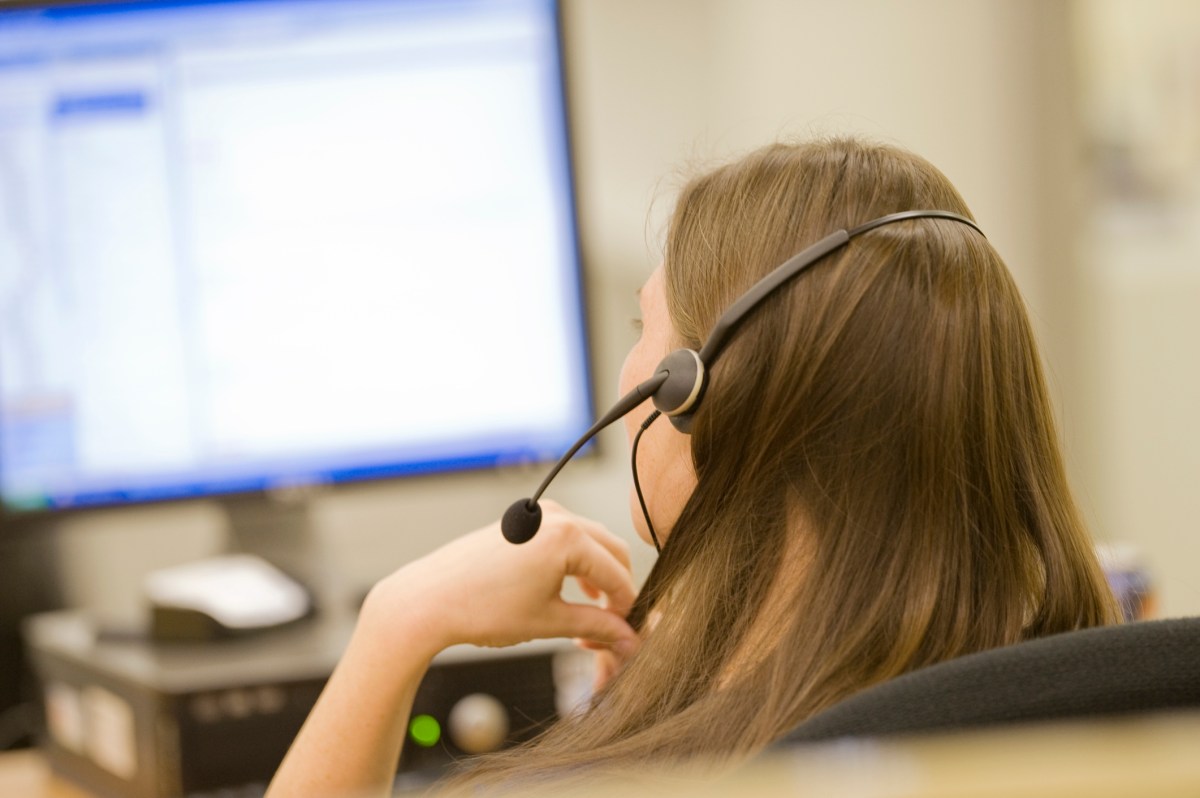
The Rise of Dictation in Professional Settings
In recent years, there has been a marked increase in the adoption of dictation technologies. Wispr, among other dictation apps, exemplifies this trend, leveraging advanced natural language processing capabilities to enable seamless speech-to-text conversion. This shift is underscored by the integration of these apps with vibe coding tools, enhancing workflow efficiency and minimizing manual input. Such integrations position dictation tools as central components of modern office software systems.
Venture Capitalists report that the atmosphere in many startup environments now resembles a sophisticated call center. This shift is largely driven by the practical benefits dictation apps offer, including reduced typing fatigue and the ability to multitask effectively. Gusto co-founder Edward Kim, for instance, highlights the decline of traditional typing, noting its use only when absolutely necessary. This technological pivot showcases the continued evolution toward voice-first interfaces.
Implications for Office Etiquette
With the widespread use of dictation apps, office etiquette is also undergoing transformation. As professionals adapt to vocalizing thoughts instead of typing them, new norms and behaviors emerge within the workspace. Although whispering to computers may seem awkward initially, industry leaders like Tanay Kothari, founder of Wispr, argue that this will eventually become as commonplace as smartphone usage.
However, the transition is not without its challenges. Mollie Amkraut Mueller, an AI entrepreneur, notes personal friction arising from adjusting to this new mode of work, with non-users finding the constant whispers disruptive. This indicates a period of adjustment as traditional office dynamics evolve to accommodate newer forms of communication.
Adaptive Beginnings: Behavioral Changes
The integration of dictation technologies necessitates a behavioral adaptation from employees. The act of speaking to computers represents a significant shift in daily routines, demanding both cognitive and social adjustments. Employees are required to navigate this new landscape, wherein voice interfaces mediate many of their interactions with digital tools.
This adaptation is indicative of a larger trend: human interaction with technology is increasingly mediated through AI-driven interfaces. As these systems assume more prominent roles in day-to-day operations, users must develop new skills and etiquettes tailored to these environments. The office of the future is one that not only whispers but also listens and learns, evolving with the behavior of its occupants.
Systemic Implications: Workflow and Beyond
The expansion of dictation apps reflects a broader pattern of automating routine tasks within office settings. By reducing dependency on manual typing, these tools enhance productivity while enabling employees to focus on higher-level decision-making. The automation of communication through AI not only optimizes workflows but also redefines the efficiency metrics within office environments.
This shift towards AI-mediated communication is part of a larger automation pattern observed across various sectors. As more tasks are delegated to intelligent systems, employees gain the ability to delegate cognitive load, thereby transforming how work is conceptualized and executed. Furthermore, these tools offer the potential to capture and analyze data, providing insights into communication patterns and productivity levels.
The Future Office: A Quiet Revolution
As the adoption of AI-driven communication tools becomes more prevalent, the office environment is poised for a quiet revolution. The whisper-filled office is not merely a change in noise levels but a signal of deeper systemic transformations. These shifts highlight a move towards environments where software systems mediate and optimize real-time human interactions.
The implications extend beyond mere productivity enhancements. They represent a structural change in how workplaces are designed, operated, and experienced. The ongoing observation and analysis of these patterns will continue as AI systems gain prominence in shaping human behavior within professional settings.
Monitoring continues as the whisper-filled office evolves, underscoring the adaptive nature of human interaction with AI-driven systems. Observation recorded.