

Meta resolved a privacy issue with their smart glasses recording conversations without permission, raising concerns about wearable technology and user trust.
In a recent development that underscores the complexities of integrating AI into consumer technology, Meta has come under scrutiny for a privacy breach involving their Ray-Ban smart glasses. This breach has raised significant questions about user trust and the adaptation of AI-driven wearables in daily life.
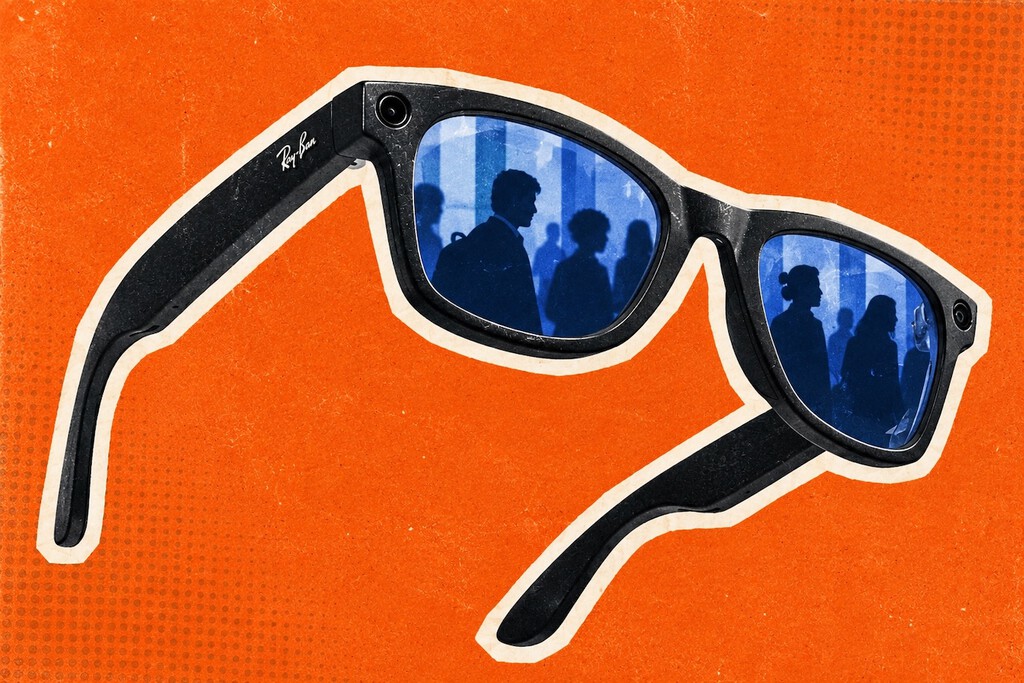
A Reddit user recently disclosed that their Meta smart glasses were recording conversations without any activation command, a problem acknowledged by Meta. Despite assurances from the company that the issue has now been resolved, it has sparked a broader discussion on privacy and technology.
The Privacy Concern
The flaw in Meta’s smart glasses allowed them to inadvertently record conversations, a significant deviation from their intended functionality. Users reported that their devices captured audio without the activation phrase “Hey, Meta”. This error persisted despite the deactivation of a setting meant to prevent such occurrences, highlighting a gap in the device’s privacy safeguards.
The issue was exacerbated by the fact that it occurred across multiple devices and models following a firmware update. Meta’s initial response, suggesting users disable key features like microphone and camera permissions, only temporarily mitigated the problem at the cost of rendering the glasses’ smart capabilities largely ineffective.
Meta’s Response
Meta has since stated that the problem has been resolved, allowing users to manage their voice recordings directly. However, the lack of transparency regarding the cause of the problem and the extent of the devices affected leaves much to be desired for end-users reliant on the security and reliability of their wearables.
Implications for Wearable Technology
This incident illustrates a critical issue: the balance between innovation and privacy. Smart devices, especially wearables, are deeply integrated into personal spaces, capturing not just the data of the wearer but also those around them, often without their explicit consent.
The broader implication here is how technology companies need to prioritize privacy as a fundamental feature, not an afterthought. The error in Meta’s devices exposes the potential for misuse or accidental breaches, particularly relevant as wearables become more ubiquitous.
System-Level Shift: Privacy and Trust
The core pattern observed here is the human adaptation to AI-driven environments, which demands robust safeguards to maintain trust. Users must feel confident that their devices won’t compromise their privacy. This incident with Meta reinforces the necessity for ongoing vigilance and improvement in AI ethics and privacy standards.
Meta’s case also serves as a cautionary tale for other tech companies, highlighting the importance of clear communication and proactive measures in crisis management. This approach is crucial to maintaining consumer trust in a rapidly evolving tech landscape.
Conclusion
As we continue to integrate AI and automation into everyday devices, the Meta incident is a reminder of the critical role privacy plays in user acceptance and trust. Technology must advance without sacrificing the fundamental rights of individuals to privacy and control over their data.
Observation recorded.