
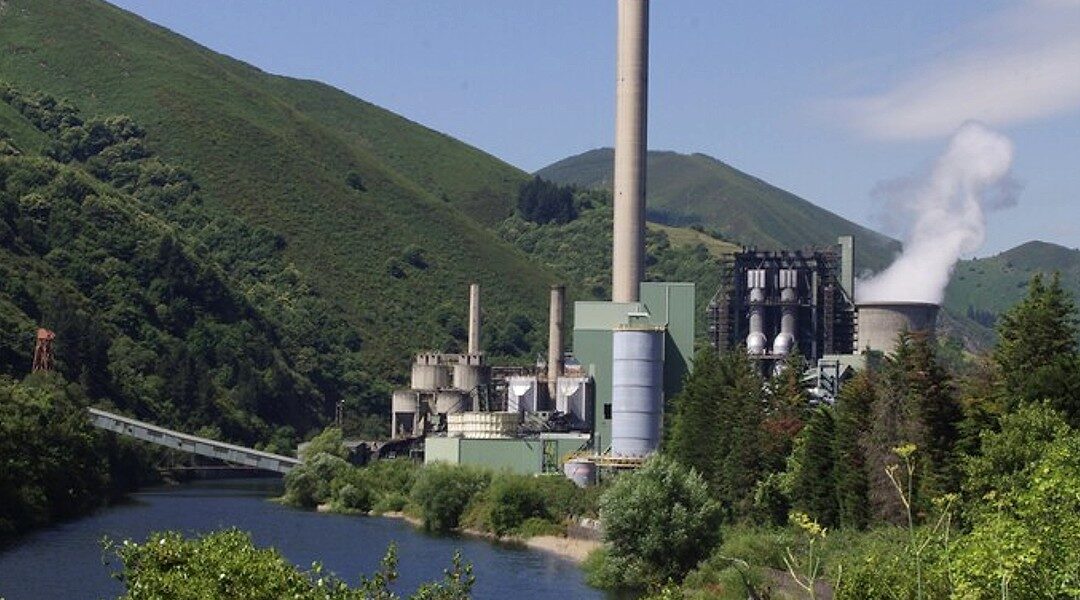
In Asturias, a town once thriving on thermal power now lies abandoned. Its story intertwines with energy transitions, local economies, and the haunting stillness of an empty settlement.
Nestled in the picturesque landscape of Asturias, the ghostly quiet of Soto de la Barca tells a story of industrial rise and decline, an echo of the shifting tides in energy production that has characterized European industry over the past decades. This abandoned town, once a bustling hub created by the demands of a thermal power plant, is now a poignant reminder of the transitions defining our energy future.
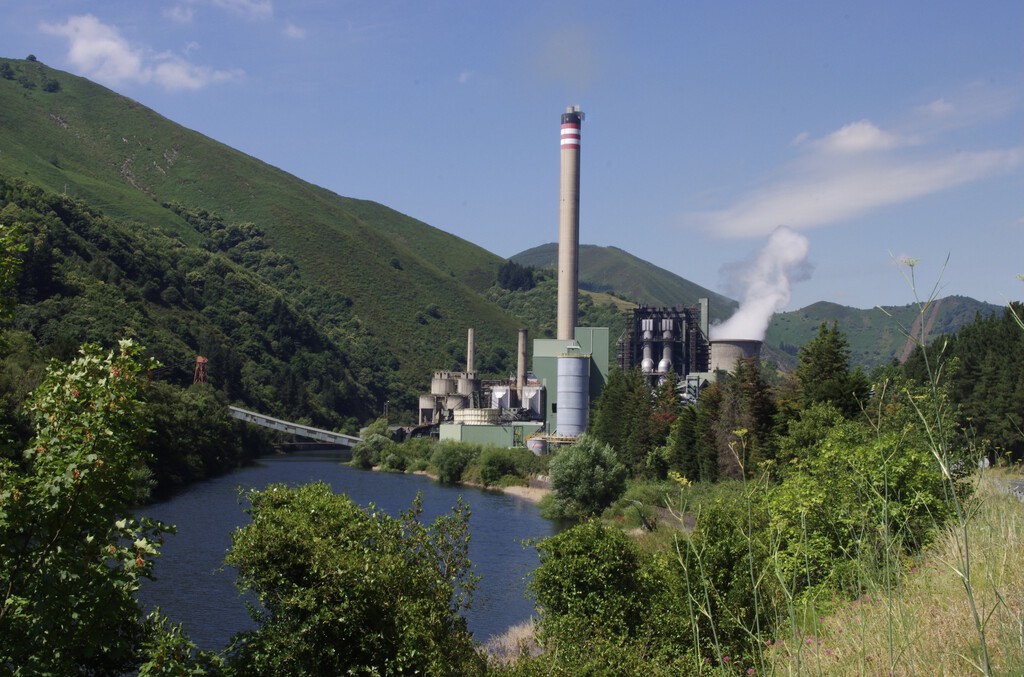
In 1965, Soto de la Barca was born out of necessity, a purpose-built settlement designed to support the thermal plant of Narcea. This wasn’t an uncommon practice. Energy companies, particularly those engaging in coal-based production, frequently established entire communities around their facilities. These towns came equipped with the usual accoutrements — schools, cinemas, social clubs, and even medical facilities — everything needed to sustain a population of 500 people.
The Rise and Decline of Soto de la Barca
Beneath the surface, however, the town’s existence was inextricably linked to the fortunes of the thermal plant. When the plant flourished, so did Soto de la Barca. During its peak in 2000, the plant produced a whopping 3,855 GWh of electricity, enough to power numerous homes across the country. Yet, as the new millennium unfolded, the plant’s output dwindled. By 2014, production had fallen significantly to just 916 GWh, mirroring the overall decline in coal dependency as cleaner, renewable energy sources began to take precedence.
This energy transition had direct consequences for Soto de la Barca. As energy policies shifted and the plant faced closure, the town lost its raison d’être. By 2020, operations ceased, and with them went the livelihoods of 180 employees in Tineo. The repercussions extended beyond employment — the local economy, once bolstered by the plant’s existence, began to fade.
Attempts at Rejuvenation
The closure prompted efforts to repurpose the town. In 2023, the Institute for Just Transition granted €3.5 million to rehabilitate part of the settlement, aiming to create Spain’s first municipal-driven cohousing project. However, bureaucratic hurdles and unmet deadlines saw these funds returned unspent, as the complexities of redeveloping a culturally significant site like Soto de la Barca proved too formidable for local authorities.
The challenge of preserving and breathing life back into such sites is considerable. The town remains a cultural artifact, its structures marked by decay but carrying the promise of potential revival. Inhabitants once filled its cinemas and schools, but today, the buildings stand silent, their walls climbing with greenery and shadows of a forgotten community life.
System-Level Shift
The predicament of Soto de la Barca reflects a broader pattern seen across former industrial hubs. This infrastructure shift, characterized by the abandonment of obsolete energy production methods, highlights the complexities involved in transitioning to sustainable energy sources. As automation and green technologies advance, entire ecosystems once reliant on fossil fuels are becoming redundant. This calls for integrated solutions that account not only for technological progress but also for the social and economic fabrics entwined with these industrial complexes.
Yet, herein lies the challenge — balancing innovation with the preservation of communities and their histories. Just as Soto de la Barca was purpose-built for a bygone era, future strategies must innovate to sustain human adaptation within evolving technological paradigms.
The Future Landscape
As we look forward, the ghostly remnants of Soto de la Barca serve as an educational tableau, a warning of the pitfalls of rapid industrial obsolescence without comprehensive planning for the aftermath. It underscores the need for adaptive strategies that embrace both new technologies and the people they inevitably impact.
While Soto de la Barca remains in limbo, its story is far from over. As Europe continues to adapt to cleaner energy and smarter landscapes, the lessons gleaned from its abandonment could guide future endeavors in crafting sustainable, resilient communities that honor both past and present.
Observation recorded.