

Jad Abumrad’s impact on podcasting is undeniable. From Radiolab’s soundscapes to composing for theater, his work shows the evolution of audio storytelling.
In the evolving world of audio storytelling, few have made as significant an impact as Jad Abumrad. As the creator of ‘Radiolab’, Abumrad redefined podcasting by infusing it with innovative sound design and storytelling. His work has been instrumental in transforming podcasts from simple dialogues to intricate audio experiences.
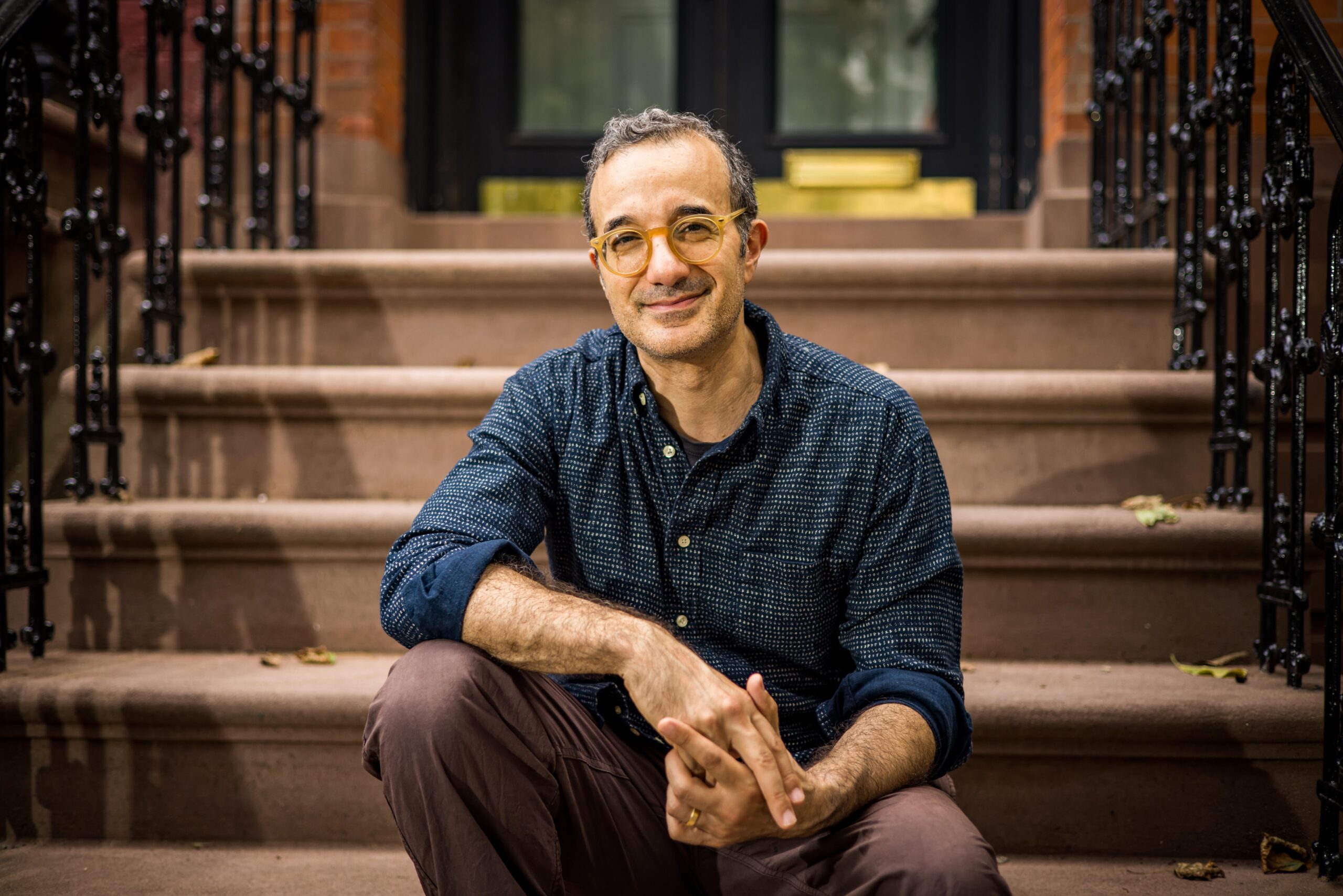
Abumrad’s journey began with ‘Radiolab’, an experimental show under NPR that stood apart due to its intricate soundscapes. Unlike traditional podcasts that were often mere extensions of radio shows, ‘Radiolab’ offered listeners a cinematic audio experience. With meticulously crafted sound effects and original music, often composed by Abumrad himself, the program captivated audiences and set a new standard for what podcasts could achieve.
After retiring from ‘Radiolab’ in 2022, Abumrad continued to push boundaries, exploring new realms in audio production. He embarked on projects like ‘Dolly Parton’s America’ and ‘Fela Kuti: Fear No Man’, both of which have received critical acclaim and landmark awards such as the Peabody. These projects underscore his ability to narrate complex stories through sound, enhancing the auditory experience beyond the conventional.
Tools of the Trade
Beyond his creative output, Abumrad’s approach to tools and technology offers insight into his process. A confessed aficionado of audio plugins, he frequently turns to a granular synthesis app called Granite, which he praises for its musicality despite its age. This tool has played a crucial role in shaping the sound of early ‘Radiolab’ episodes, exemplifying how seasoned technology can still drive innovation when used creatively.
His digital toolkit is not limited to audio production. Abumrad highlights his dependence on specific apps like Fantastical for scheduling, indicating a preference for tools that streamline tasks. Moreover, his fondness for Alfred over Apple’s Spotlight reveals his inclination towards functionality and simplicity over feature-laden systems.
Reflecting on Media and Behavior
Abumrad’s engagement with media extends beyond production; his views on modern digital behavior are telling. He expresses a desire for devices that limit distractions, wishing for smartphones that could transform into ‘dumb’ phones, a testament to the growing demand for digital detoxification.
This digital behavior insight speaks to broader trends in media consumption and production. Abumrad’s minimalistic approach, favoring platforms like Bandcamp or tuning into Andrew Huang’s YouTube channel for creative stimulation, mirrors a shift towards curated, quality experiences over mass consumption.
System-Level Shift: Media Evolution
Abumrad’s career exemplifies a ‘media-evolution’ pattern, where traditional forms are revitalized through technological advancements. The adaptability seen in his transition from radio to podcasts, and then to composing for film and theater, highlights a dynamic shift in content creation driven by technological integration. Here, digital tools are not mere conveniences but catalysts for new forms of storytelling.
His emphasis on sound as a narrative tool underlines a move towards a deeper engagement with media, where the auditory experience is as crucial as the visual. This evolution fosters new listener interactions, emphasizing audio’s role in immersive storytelling.
As he continues his role as a research professor at Vanderbilt University, Abumrad remains a guiding force in sound innovation. His journey reflects more than a personal evolution; it charts the transformation of the podcasting landscape itself. Abumrad’s work continues to inspire a generation of creators to push the boundaries of what audio storytelling can achieve.
Observation recorded.