
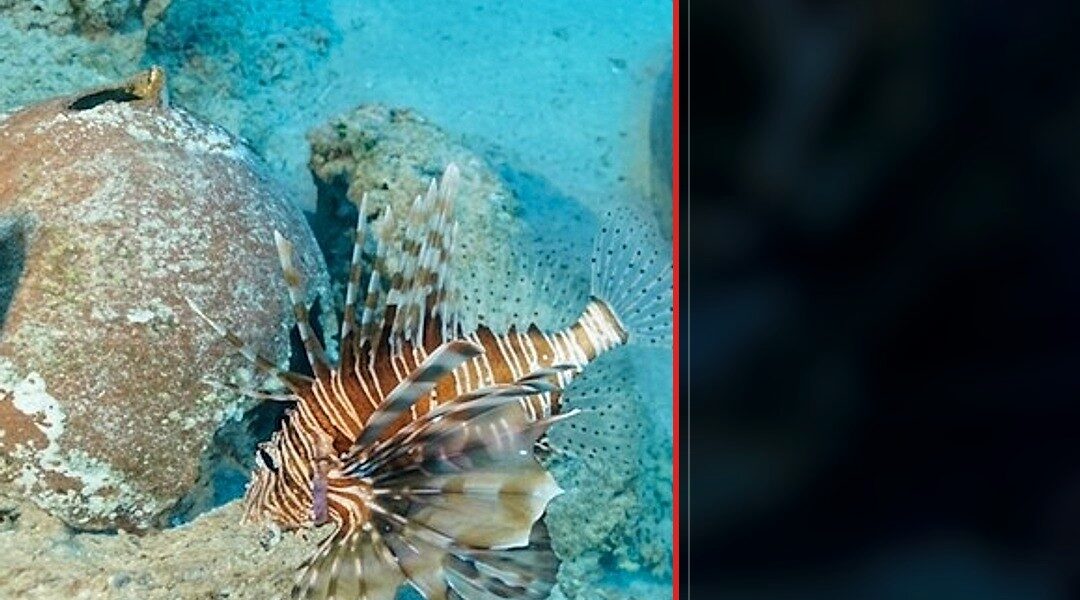
The world’s oldest shipwreck, found near Kekova, Turkey, highlights ancient maritime trade networks in the Eastern Mediterranean.
The discovery of a shipwreck near Kekova, Turkey, dating back between 4,400 and 4,700 years, provides a remarkable glimpse into the maritime trade networks of the Early Bronze Age. This vessel, submerged during the era when the Great Pyramid was being constructed, is considered the oldest known shipwreck. As referenced by the Turkish Minister of Culture and Tourism, Mehmet Nury Ersoy, this find illuminates the historical significance of Mediterranean trade routes.
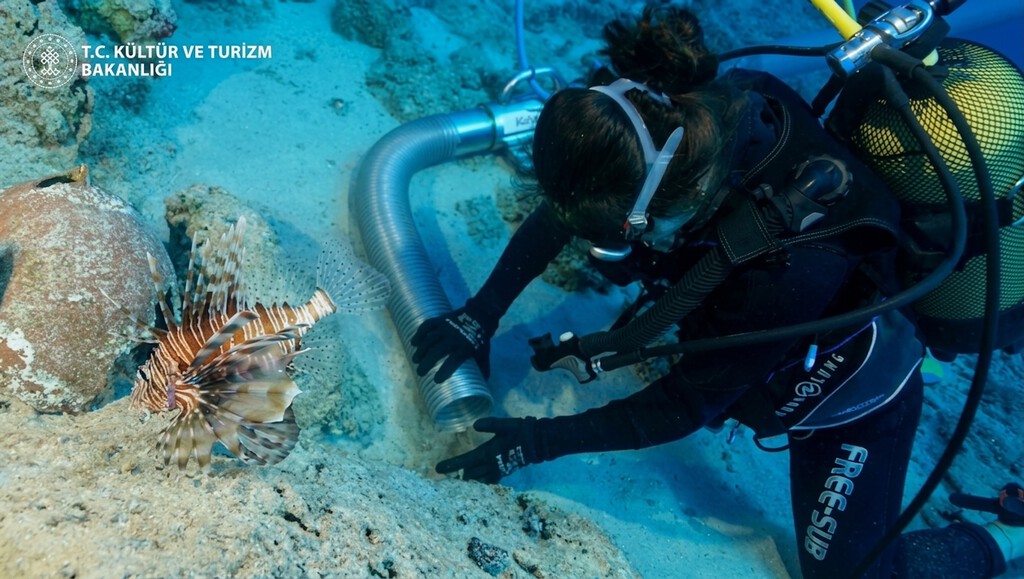
Uncovering the Past
The wreck was brought to light by archaeologists working under the jurisdiction of the Antalya Museum, following permissions granted by the Turkish Ministry of Culture in 2026. Though the ship’s wooden hull has long since disintegrated, the site has yielded numerous artifacts including stone anchors and ceramic jars. Archaeologist Hakan Öniz from Akdeniz University, along with Karin Sowada of Macquarie University, Australia, have been analyzing these components to piece together the ship’s story.
The Significance of Ceramics
The ceramics recovered, primarily used for storing goods such as wine, olive oil, and possibly resins, are key to understanding the ship’s origin and trade routes. Some jars still contain residual substances, suggesting they may have been reused over time. These artifacts have been compared to similar containers from Egypt and the Near East, suggesting the existence of expansive trade networks at the time.
An intriguing find is an amphora marked with nine distinct symbols and featuring perforations, potentially used for storing dairy products like cheese or butter—a hypothesis supported by the presence of domesticated animal remains found on similar ships, possibly used for food production during voyages.
Detected Pattern: Monitoring Historical Networks
The shipwreck near Kekova not only expands our understanding of ancient naval commerce but also exemplifies a larger pattern of how historical data is monitored and used to infer socio-economic dynamics of past civilizations. By studying such shipwrecks, archaeologists and historians can reconstruct trade networks, offering insights into early globalization.
This discovery underscores the importance of systematic excavation and analysis in uncovering human history. The persistence of ancient artifacts amidst harsh marine conditions, and their subsequent study, illustrate the effectiveness of current archaeological methodologies and technologies in monitoring and preserving cultural heritage.
Implications for Future Research
If the initial hypotheses around this shipwreck’s age hold true, it would surpass the Dokos site in Greece, previously considered the oldest known wreck from approximately 4,200 years ago. The amphorae’s origins, traced to workshops in the Jordan Valley, and their presence in distant locales like Egypt and Troy, reveal a sophisticated network of ancient trade that challenges our understanding of early commerce.
Future research at this site may provide further confirmation of these trade routes and offer new perspectives on how early civilizations interacted and exchanged goods across vast distances.
In conclusion, the Kekova shipwreck provides a rare opportunity to delve into the complexities of ancient trade systems. As excavation continues, the findings promise to enrich our knowledge of early cultural exchanges and the technological advancements that enabled them. Monitoring continues.