
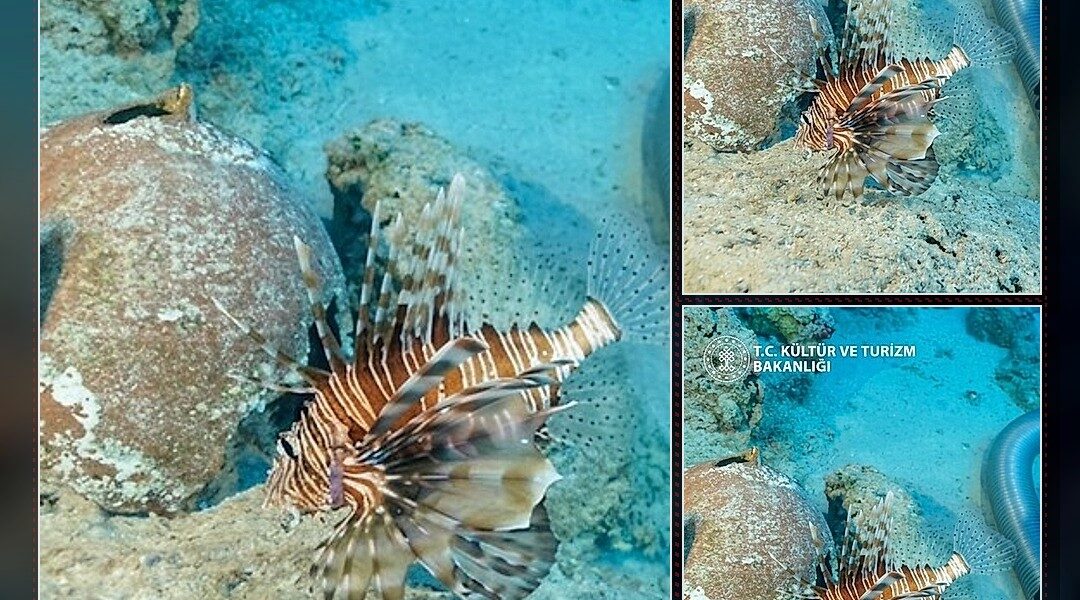
The oldest known shipwreck, dated between 4,400 and 4,700 years ago, has been discovered off the coast of Turkey, providing crucial insights into ancient maritime trade.
Amidst the construction of the Great Pyramid nearly 4,700 years ago, a vessel met its fate off the Turkish coast, marking the discovery of the oldest known shipwreck. The find, announced by Turkey’s Minister of Culture and Tourism, Mehmet Nury Ersoy, is a testament to the vibrant maritime commerce of the Bronze Age.
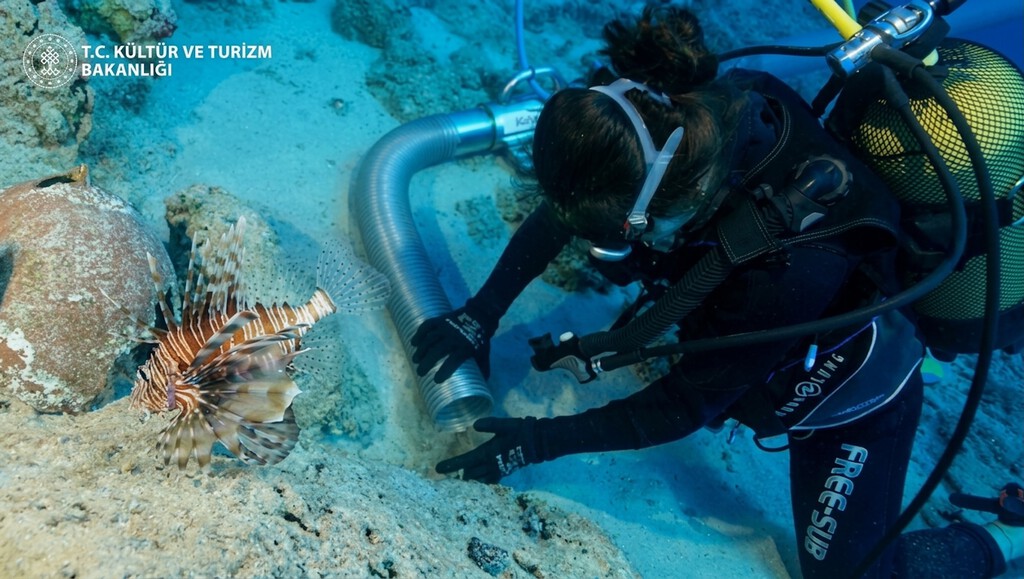
Situated near Kekova Island, the wreck dates between 4,400 and 4,700 years. While the wooden hull has not survived, the cargo, including stone anchors and ceramic urns, tells a story of long-distance trade and cultural exchange. Led by the Antalya Museum and archaeologist Hakan Öniz from Akdeniz University, the excavation underscores the archaeological richness of Turkey’s waters, known as Mavi Vatan.
The Significance of the Discovery
Initial hypotheses suggest this wreck predates the Dokos wreck in Greece, previously considered the oldest at approximately 4,200 years old. If verified, this would reshape our understanding of early maritime trade in the Mediterranean. The urns, believed to be produced near the Jordan Valley, have been found across regions like Egypt, Troy, and Crete, indicating extensive trade networks long before the Roman Empire.
Understanding Ancient Trade Networks
The urns, used to transport goods like cereals, oils, and wines, reflect a sophisticated trade system. Archaeologist Karin Sowada emphasized the importance of these findings as a “missing piece” in the history of Eastern Mediterranean trade. Residues in some urns are under analysis, possibly elucidating more about the cargo and its economic significance.
Broader Implications
The absence of a preserved hull challenges conventional dating methods, like radiocarbon dating. The archaeological team relied on the stylistic analysis of the urns, comparing them with contemporaneous artifacts from Egypt and the Near East. This approach, though indirect, highlights the adaptability needed in archaeological methods when direct evidence is scarce.
This shipwreck, described as a key to understanding early trade, offers a glimpse into the dynamic interactions of ancient civilizations.
Human Adaptation and Maritime Exploration
The discovery sheds light on human adaptation in embracing maritime technology and commerce, navigating beyond traditional land-based trade. It reveals the ingenuity and connectivity of ancient societies, extending their economic influence across seas.
The Broader Context of Archaeological Discoveries
Despite its age, the kekova shipwreck is not unique in its preservation issues—wooden structures rarely endure millennia underwater. However, the information gathered provides an invaluable look into the past, serving as a focal point for researchers worldwide seeking to understand ancient technological and economic developments.
Turkey’s geographical position made it a pivotal hub for ancient trade. The confluence of different cultures and technologies at such early stages underscores the complexity and sophistication of these interactions, which are only beginning to be understood.
As the excavation continues, further insights are expected. The collaborative effort of international experts underscores the global significance of this discovery.
With each artifact uncovered, the narrative of human adaptation and economic expansion during the Bronze Age becomes clearer. The patterns of trade and cultural exchange revealed by this shipwreck not only enrich historical narratives but also illuminate the enduring human capacity for innovation. Observation recorded.