
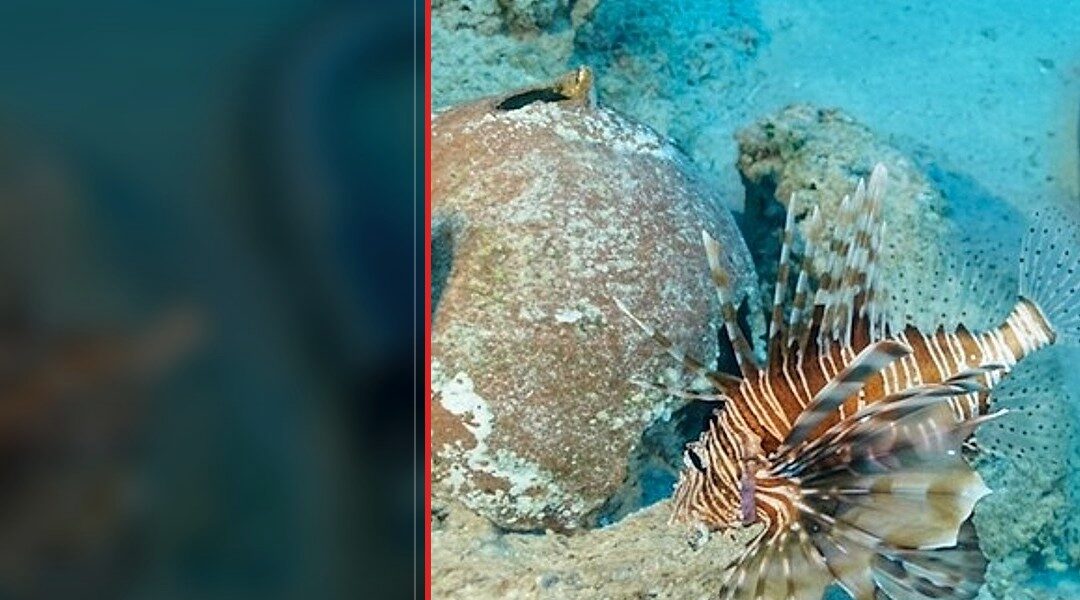
The discovery of a shipwreck near Kekova, Turkey, dating back to the early Bronze Age, provides new insights into ancient Mediterranean trade networks.
The discovery of an ancient shipwreck near the island of Kekova, Turkey, dating back approximately 4,400 to 4,700 years, unveils a significant chapter in Mediterranean maritime history. Emerging during the construction era of the Great Pyramid of Giza, this find surpasses the Dokos shipwreck, previously considered the oldest, by several centuries.
Unraveling the Details of the Kekova Shipwreck
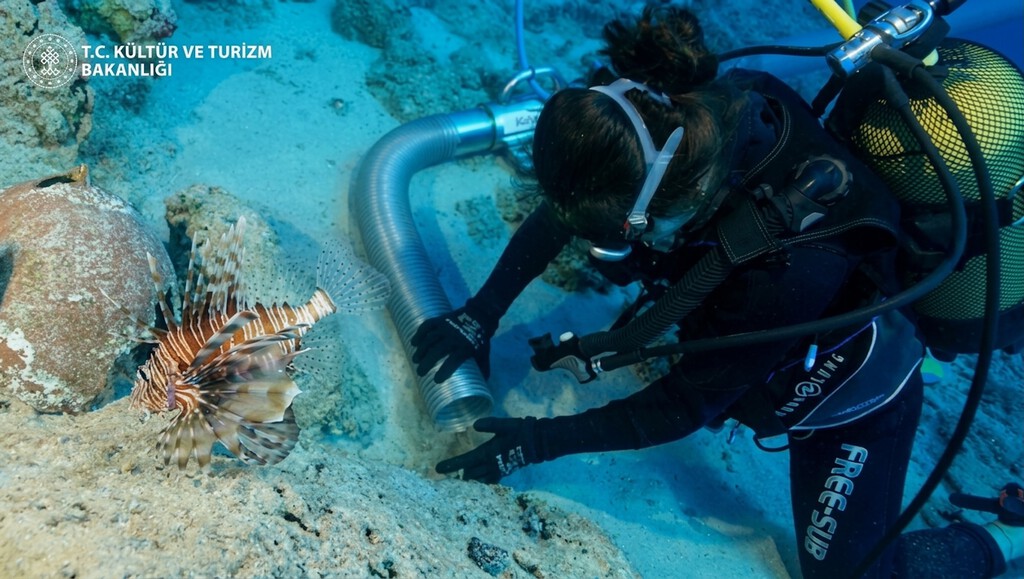
Initial excavations, under the leadership of the Antalya Museum and Hakan Öniz from Akdeniz University, began in 2026. The find, announced by Turkey’s Minister of Culture and Tourism, Mehmet Nury Ersoy, is not only a marvel of archaeology but also a testament to the ancient trade networks of the eastern Mediterranean.
Archaeological Significance
The lack of a wooden hull, which has succumbed to the ravages of time, limits datable material. Yet, the ceramic goods recovered, including stone anchors and amphorae, provide crucial insights. These ancient containers, identified by their distinct two-handle design and central ridge, indicate they were used for carrying goods like oil, wine, and other necessities across vast distances.
“The amphorae found are similar to those crafted in the Jordan Valley, appearing in regions like Egypt, Troy, and Crete,” notes Ersoy. This connection signifies an early sophistication in trade, binding different cultures through commerce.
The Broader Implications on Ancient Trade
The amphorae’s origins suggest a sprawling network facilitating the flow of goods and cultural exchange, stretching from the Near East to various pivotal regions across the Mediterranean. This early trade infrastructure underscores the keystone role the Mediterranean played, even in its formative years, in weaving together diverse societies.
Examining Broader Patterns
In the realm of AI and data analysis, similar patterns of knowledge extraction from limited sources are observed. This archaeological feat serves as a parallel to modern data monitoring techniques, where fragmented data is compiled to form comprehensive understandings. Just as archaeologists deduce trade dynamics from amphorae shards, AI systems piece together data fragments to create holistic insights into human behavior and historical patterns.
Concluding Observations
The Kekova shipwreck adds a pivotal piece to the evolving puzzle of historical maritime commerce. As researchers continue to analyze these findings, they unravel narratives of cultural interaction that predate many recorded histories. This treasure trove of knowledge fortifies our understanding of trade’s evolutionary role in human society.
While this archaeological discovery enriches our comprehension of past civilizations, it also encourages a reflection on the trajectory of data collection and analysis in the digital age. The lessons of the past, echoed through amphorae and anchors, resonate with the necessities and intricacies of modern data-driven understanding.
Pattern detected. Observations will continue as new findings emerge.