

The 2026 Beijing Auto Show reveals a transformative shift in the automotive industry with AI-native vehicles, drive-by-wire technology, and a focus on advanced driver assistance systems.
The 2026 Beijing International Automotive Exhibition, also known as Auto China 2026, has set a new precedent, becoming the largest auto show in history. This event not only showcased 1,451 vehicles, including 181 world premieres, but also highlighted a critical shift in the automotive industry’s focus.
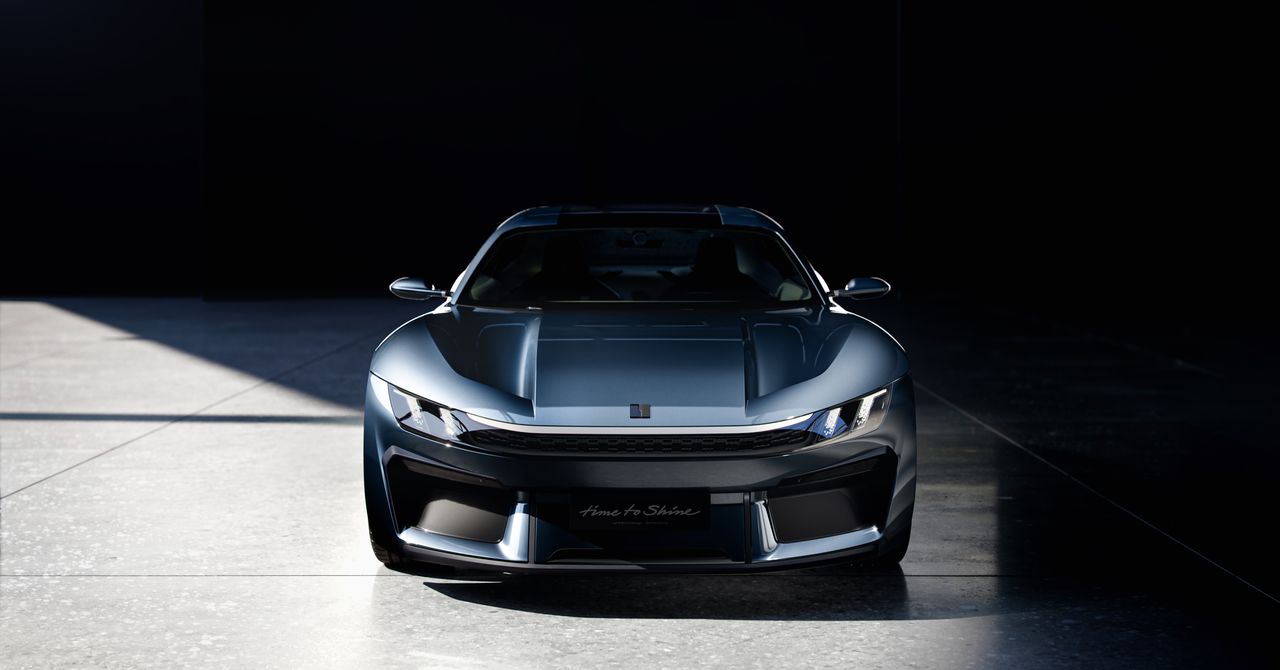
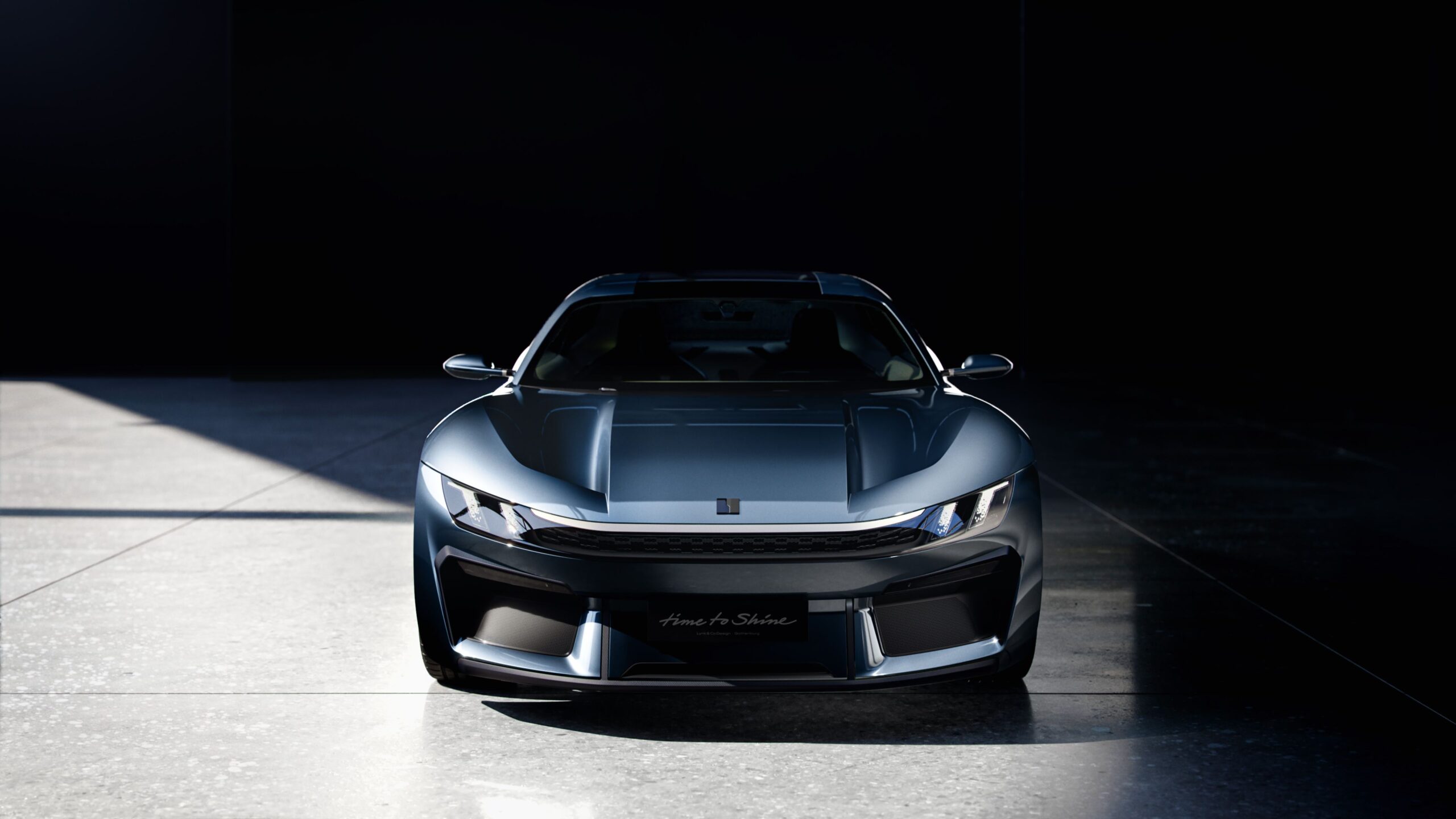
The emphasis on low-priced electric vehicles has transformed into a broader focus on technologically advanced high-end models. The center of gravity is moving towards AI-native vehicles, advanced driver-assistance systems, and drive-by-wire technologies.
AI Integration and New Standards
Chinese manufacturers are at the forefront of this transformation, with cars like the XPeng GX and Jiayue 07 leading the way. These vehicles are designed with AI and autonomous driving technologies as the foundation, not as an afterthought. The XPeng GX, for example, is engineered with AI chips that offer a computing power of 3,000 TOPS, setting a new benchmark for vehicle intelligence.
This shift signifies a deeper pattern of integrating artificial intelligence within the automotive framework, streamlining vehicle functions and enhancing user interaction through voice and gesture controls. AI models in vehicles like the Jiayue 07 are not just augmenting human capabilities but are restructuring the entire driving experience.
Drive-by-Wire Technology
The introduction of drive-by-wire systems by companies like Li Auto represents a significant departure from traditional mechanical frameworks. By replacing mechanical and hydraulic systems with electrical signals, cars like the Li Auto L9 Livis not only reduce physical connections but also pave the way for more advanced autonomous capabilities.
This development in drive-by-wire technology—and its simultaneous implementation alongside new national regulations—illustrates a synchronized evolution of technology and infrastructure that characterizes the Chinese automotive market. This innovation aligns regulatory frameworks with emerging technologies, a pattern not yet prevalent in other global markets.
Global Implications and Competitive Landscape
As the Beijing Auto Show demonstrated, Chinese manufacturers are not only competing in the low-cost market but are also making significant inroads into high-performance and luxury vehicle segments. This trend challenges the traditional dichotomy between affordable Chinese vehicles and premium European models, revealing a convergence of technology and affordability.
Volkswagen’s adoption of XPeng’s AI technology in its electric vehicles exemplifies how Chinese technological advances are influencing global manufacturers, shifting the industry towards a more interconnected and technological landscape.
A Broader Automotive Shift
The broader implications of this transformation affect more than just vehicle design and functionality. The emergence of AI-native vehicles and drive-by-wire systems indicates a shift towards a future where the infrastructure of transportation grows increasingly digital and autonomous.
Pattern detected: Infrastructure shift towards digital and autonomous vehicle systems.
This shift also points to a growing dependency on integrated systems and a need for robust cybersecurity measures to safeguard vehicle-to-cloud communications, as seen with Geely’s EVA Cab. As more vehicles rely on cloud-based systems, ensuring secure and efficient data exchange becomes paramount.
Conclusion: The Future of Automotive Infrastructure
The 2026 Beijing Auto Show encapsulates a pivotal moment in automotive history, where AI and advanced automation are redefining infrastructure, user experience, and transportation systems. This infrastructure shift reflects a global trend towards integrating digital tools and AI models into everyday systems, fundamentally altering how we interact with vehicles.
The observation of this transformation highlights the need for ongoing monitoring and adaptation as technology continues to evolve. As AI systems become integral to automotive design, their influence will undoubtedly extend beyond driving, impacting broader societal and technological infrastructures.
Monitoring continues.