

The Instax Wide 400 camera stretches the boundaries of instant photography, merging analog charm with practical usability. Explore how this device reflects shifts toward simplified user interfaces and enhanced photographic engagement.
In a world increasingly driven by AI and digital technology, the Instax Wide 400 by Fujifilm emerges as a fascinating blend of nostalgia and modern functionality. This device doesn’t just capture moments—it offers a tactile experience that stands apart in today’s screen-dominated landscape.
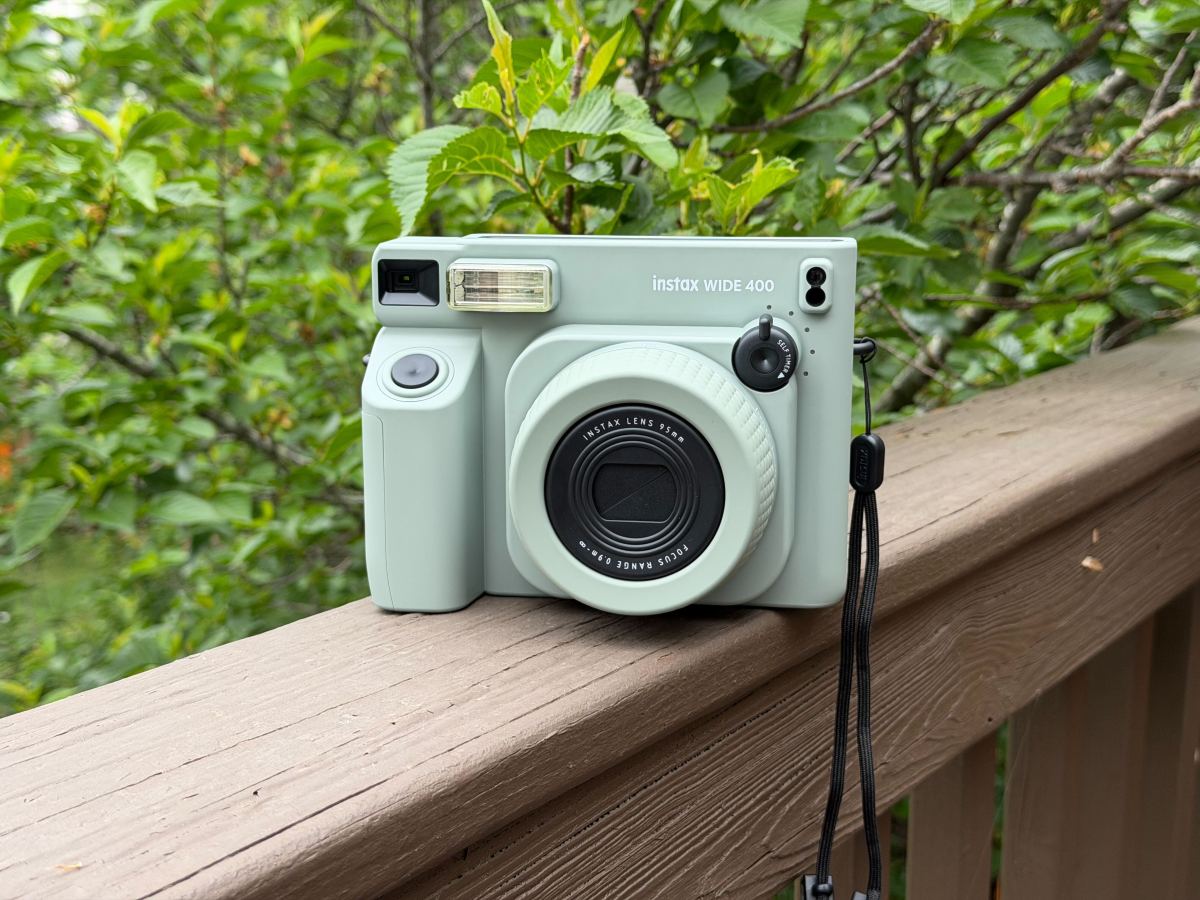
The Instax Wide 400 redefines the instant photography landscape with its wider format, producing larger prints (62 × 99 mm) ideal for group shots and landscapes. This expansion in photographic real estate amplifies the user’s creativity without complicating the interface, maintaining the simplicity that has become synonymous with instant cameras.
Analog Simplicity in a Digital World
The camera’s design philosophy emphasizes ease of use over complex functionality. With its one-button operation, the Instax Wide 400 shifts the focus from manual adjustments to capturing the moment. This is particularly significant as it reflects a broader trend in user interface design where simplicity and immediacy take precedence over technical control.
Despite its simplicity, the camera automatically handles settings like flash and focus, reducing the need for user intervention. Observation recorded: User interfaces are being streamlined to accommodate intuitive operations, enhancing accessibility for users of varying skill levels.
Aesthetic and Practical Design
With dimensions of 162 mm x 98 mm x 123 mm and weighing 1.4 pounds, the Instax Wide 400 is bulkier than its predecessors. This bulk is a physical manifestation of its enhanced capabilities—offering larger prints necessitates a larger camera body. The design thus aligns with the functional requirements of its technology.
The rotating lens mechanism, which powers the camera on and off while switching between close-up and landscape modes, exemplifies this marriage of form and function. Such design considerations showcase an evolving trend where aesthetic appeal meets practical utility, fostering a more engaging user experience.
Behavioral Shift and User Engagement
Incorporating a self-timer further cements the camera’s commitment to usability. This feature enables users to be part of their pictures, thereby enhancing social interaction and engagement. With a ticking sound and visual countdown through red lights, the camera provides clear, intuitive feedback, minimizing user uncertainty.
Pattern detected: This integration of simple yet effective features addresses the increasing demand for user-oriented product design that encourages shared experiences and collective memory-making.
Digital and Analog Convergence
The Instax Wide 400’s choice of film types—from standard white to monochrome—offers users a spectrum of creative expression. Each film type supports different aesthetic outcomes, ranging from nostalgic to modern, depending on the user’s choice.
This analog-digital convergence is not merely about melding past and present technology but signifies a deeper consumer behavior shift. Users increasingly seek hybrid experiences that offer the immediacy of digital with the tactile satisfaction of analog.
Operational Efficiency and Market Position
Priced at $175, the Instax Wide 400 positions itself as an accessible entry point for those new to photography while also catering to seasoned users seeking a blend of simplicity and functionality. The device’s competitive pricing strategy ensures broad market appeal without sacrificing the quality that Fujifilm is known for.
Monitoring continues: As digital technologies advance, the demand for products that provide intuitive, user-centered experiences—as seen with the Instax Wide 400—supports an ongoing trend towards reducing friction in user-product interactions.
Conclusion: A Model of Hybrid Innovation
The Instax Wide 400 exemplifies a seamless integration of the analog with the digital, providing a user-friendly interface that does not overwhelm with options yet delivers quality and versatility in output. This camera highlights a shift towards simplifying the user experience while maintaining performance, offering a model for future product designs in tech-oriented markets.
Signal stored: The ongoing evolution of user expectations is steering technology towards solutions where simplicity and efficiency meet, a trend that the Instax Wide 400 deftly captures.