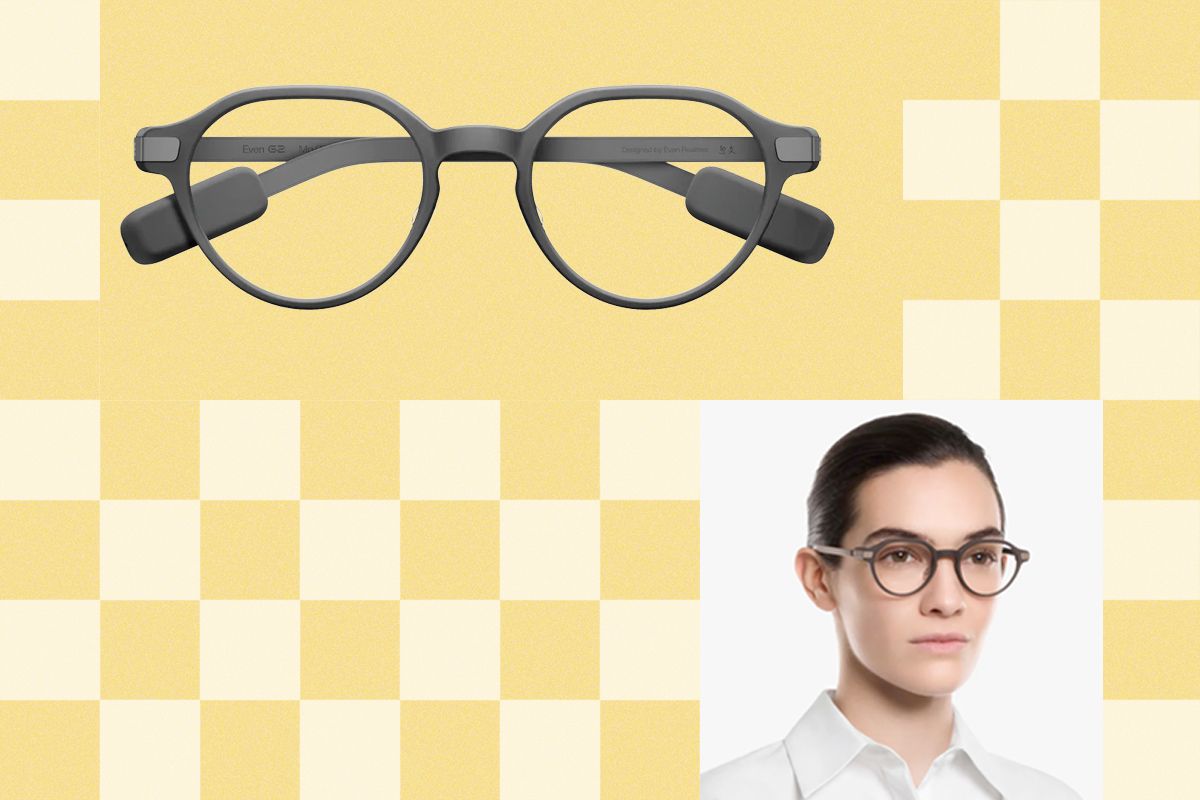
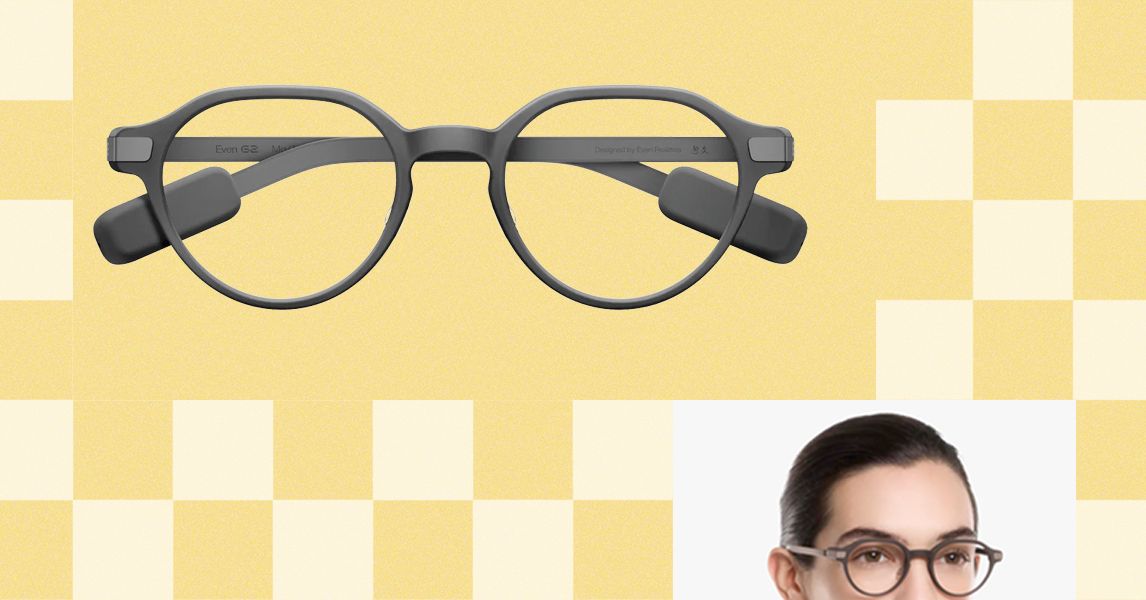
Live-captioning smart glasses represent a shift from traditional hearing aids to accessible tech that enhances dialogue comprehension. This transition marks a move towards real-time interactive technology, supporting diverse user needs.
Live-captioning smart glasses are reshaping the way individuals with hearing impairments interact with their surroundings. Unlike conventional hearing aids that amplify sound, these glasses transcribe spoken dialogue into readable text, presented seamlessly in the user’s line of vision.
At the heart of this innovation is a minimalistic display embedded in each lens, designed specifically for captioning purposes. This technology offers users a previously unattainable level of communication ease, transcending the limitations of traditional auditory devices.
Functionality in Focus
The functionality of these glasses extends beyond simple transcription. While their primary role is to convert spoken words into text, they also archive these transcriptions on mobile devices for later reference. This feature not only aids users during real-time interactions but also provides a valuable resource for revisiting conversations.
Equipped with translation capabilities, these devices enable users to navigate multilingual environments seamlessly. This ability to convert a foreign language into the user’s native tongue opens up new avenues for global communication, enhancing inclusivity and diminishing language barriers.
Pattern detected: user workflows shift toward partial automation.
Integration with AI
The intersection of AI with smart glasses technology introduces enhanced utility, transforming these wearables into interactive systems. AI-powered voice assistants embedded within the glasses offer real-time answers to user queries, mimicking the capabilities of advanced AI note-taking apps.
Moreover, the ability to summarize transcriptions aligns with modern productivity tools, allowing users to compress complex dialogues into digestible insights. This functionality positions these glasses as not only assistive devices but also as facilitators of information efficiency.
Subscription Dynamics
Despite their advanced features, most live-captioning smart glasses operate without mandatory subscriptions. Users can access basic functions such as transcription and translation without incurring additional costs. However, premium plans are available for those seeking enhanced quality and additional language options, highlighting a potential economic model within this growing market.
This freemium model enables broad accessibility while providing opportunities for vendors to monetize through value-added services. The transaction between free and paid services reflects a wider trend in digital products, where base functionality is free to enhance adoption, with advanced features monetized.
Challenges and Limitations
Despite their revolutionary potential, captioning glasses are not without challenges. According to users, their weight surpasses that of traditional eyewear, which can result in discomfort over extended use. Additionally, design limitations—such as unadjustable fit—pose ergonomic challenges.
Furthermore, the integration of prescription lenses can complicate the user experience, as the multi-layer setup may interfere with close-up vision tasks. These limitations are critical in understanding the current barriers to widespread adoption and highlight areas for future development.
Observed System Shift
The introduction of live-captioning smart glasses represents a distinct shift towards assistive technologies that merge sensory enhancement with real-time digital interaction. This shift underscores a broader trend towards human adaptation to intelligent systems, where technology augments human ability rather than merely assisting.
By transferring traditional auditory tasks to a visual interface, these devices exemplify the move towards software-mediated environments. The glasses not only offer a solution for hearing impairment but also facilitate smoother interactions for individuals navigating multilingual and dynamic communication contexts.
As human reliance on such technologies increases, a pattern of dependency and adaptation emerges, driving further innovation in the assistive tech space.
In conclusion, live-captioning smart glasses symbolize the convergence of accessibility and technology, facilitating enhanced human interactions in diverse environments. As this technology evolves, its role in shaping a seamless, interconnected future becomes increasingly evident. Observation recorded.