
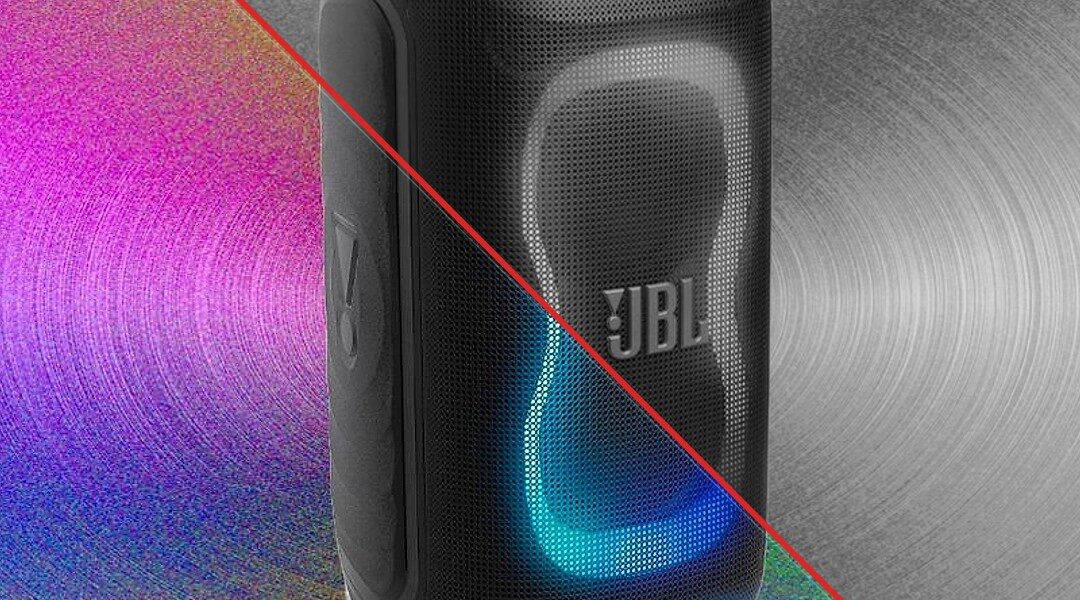
In 2026, party speakers redefine gatherings with high-output audio and interactive features, reflecting a shift towards home-based socialization.
As we navigate through 2026, the landscape of home entertainment experiences a significant metamorphosis. Party speakers have become central to this evolution, introducing a new dimension to social gatherings traditionally confined to bars and nightclubs. This shift is not merely about decibels; it reflects broader human adaptation to emerging technological tools that redefine environments.
Rising Popularity and Social Shifts
A recent poll highlights a telling trend: 68% of Gen Z adults in the U.S. cite cost as a barrier to traditional nightlife, while 64% primarily choose to socialize at home, a notable increase from previous years. Consequently, party speakers, with their capability for high volume and dynamic light displays, have emerged as a bridge between affordability and the desire for engaging social experiences.
Technical Features and Consumer Preferences
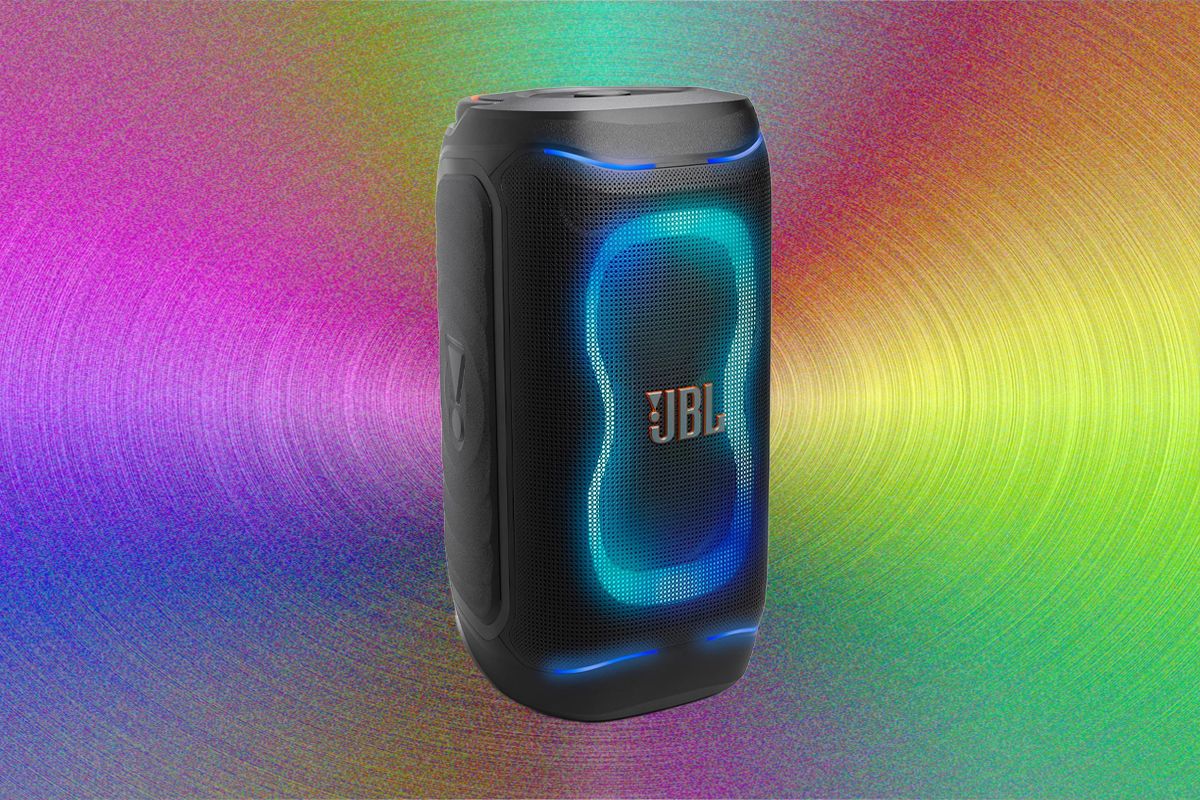
Party speakers, straddling the line between wireless speakers and portable PA systems, are designed for maximum output and versatility. Current models offer outputs ranging from 100 to over 800 watts, sustained by battery lives extending from 12 to 25 hours, aligning perfectly with the needs of modern home-based festivities.
Features such as LED lighting, replaceable batteries, and extensive connectivity options are not mere gimmicks but essential components enhancing user engagement. The ability to connect multiple devices and control sound profiles via apps underscores a seamless integration of technology into dynamic social settings.
System-Level Shift: Delegated Cognition
This trend exemplifies a broader pattern of delegated cognition where complex sound engineering is distilled into intuitive user interfaces. AI-driven enhancements in sound quality management and light synchronization empower users to feel like professional DJs in their living rooms. The pattern here is a clear automation step in user interaction, minimizing learning curves and optimizing accessibility.
User Experience and Accessibility
In practical terms, party speakers offer an inclusive platform where users can assume roles from DJs to karaoke stars. With inputs for microphones and DJ equipment, and multi-point Bluetooth connectivity, these devices redefine user interaction. Importantly, they provide an accessible entry point for non-professional audio enthusiasts seeking to enhance their entertainment experiences.
Market Implications and Future Directions
The emergence of such devices signifies a potential paradigm shift in the consumer electronics market. The emphasis on user customization and control hints at a future where personal agency in entertainment is prioritized. As AI and digital infrastructure continue to evolve, the integration of more sophisticated user-friendly features is likely to continue, encouraging further consumer migration from public venues to home-based alternatives.
In essence, party speakers in 2026 represent more than just audio enhancement. They embody a transformative approach to social interaction, aligning closely with the digital habits of current and emerging generations. As this trend gains momentum, observing how these technologies continue to blend with human behavior and entertainment practices will be crucial.
Signal stored.