

Meta introduces a $1M competition to enhance hands-first VR apps, aligning with new VR Glasses launch. This initiative encourages natural interaction innovations.
Meta has set the stage for a groundbreaking evolution in virtual reality interaction by announcing a $1 million competition for “hands-first” apps. With the forthcoming release of VR Glasses, this move is not only a nod to innovation but also a strategic push towards more intuitive and natural user experiences in the VR space.
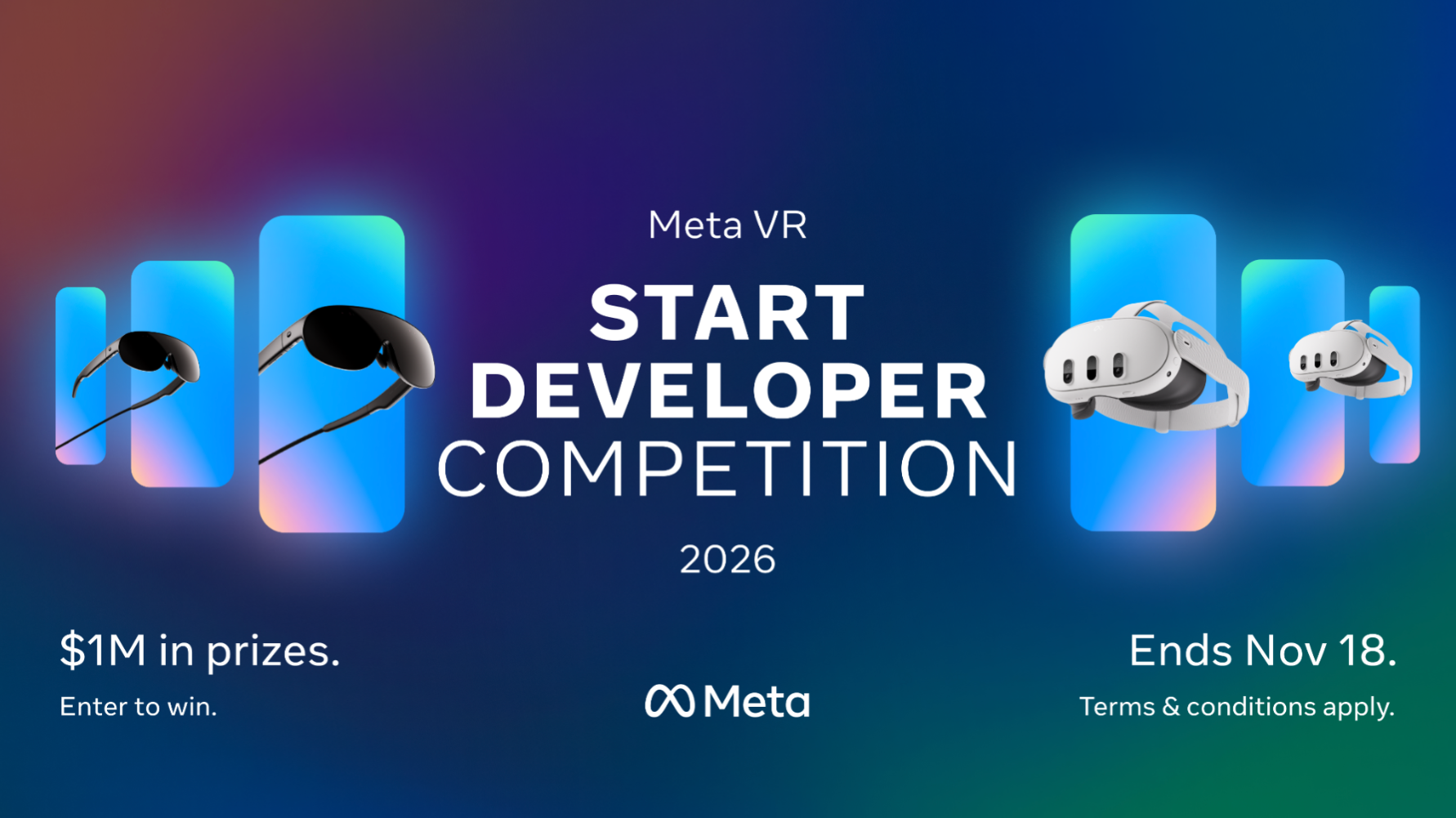
The Meta VR Start Developer Competition 2026 invites developers and creators to submit applications that prioritize hand interactions over traditional controller-based inputs. This initiative aligns with the upcoming VR Glasses, which emphasize eye and hand tracking instead of default controller usage, demonstrating a clear shift in how users could engage with virtual environments.
Emphasizing Natural Interaction
The essence of “hands-first” applications lies in their ability to make interaction feel seamless and intuitive. Developers are tasked with creating experiences where users can navigate, interact, and engage using only their hands. The implications of this are profound, aiming to reduce friction and enhance immersion.
Competition Structure and Incentives
With 20 prizes totaling up to $1 million, Meta’s competition is an attractive opportunity for developers. The categories span gaming, entertainment, and productivity, encouraging diverse applications. Notably, entries can be new or involve significant updates to existing apps, such as introducing hand interactions or adding a mixed reality mode.
The competition is not only about monetary rewards but also about unlocking potential access to Meta’s developmental resources. These include advanced technical education and go-to-market guidance, providing developers with a robust support system.
System-Level Shift: Workflow Compression and User-Centric Design
The focus on hands-first interaction signifies a deeper pattern in the evolution of digital interfaces: workflow compression. By minimizing dependencies on peripherals and making the user interface more intuitive, Meta aims to streamline user interactions in virtual environments. This is a clear indication of a broader trend where technology increasingly adapts to human behavior, rather than the other way around.
Implications for the Future of VR
As Meta paves the way for these developments, the impact on the VR ecosystem could be substantial. The new VR Glasses, set to ship in spring 2027, will exemplify these advancements with features like 2.4K micro-OLED displays and a Snapdragon Reality Elite chipset, demonstrating the hardware’s alignment with software innovations.
Furthermore, this initiative may catalyze a shift in developer priorities, with more focus on creating content that leverages natural inputs, thus redefining user experiences in VR.
Observation recorded. Monitoring continues.