

Adult consumers are reshaping the toy industry. Now their preferences drive market growth, with nostalgia and collectability at the core.
The toy industry is undergoing a seismic shift as childless adults increasingly become the core market. No longer limited to gifts for children, toys now cater to adults’ nostalgia and collectible desires, reshaping a sector long anchored in childhood delight.
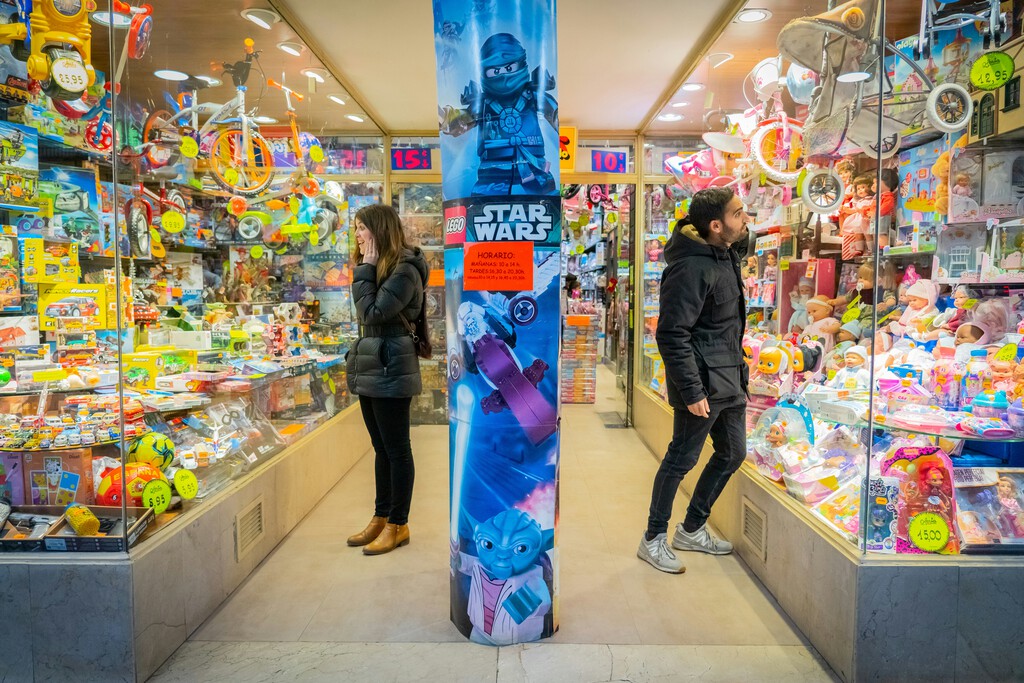
This change is no mere anomaly. Recent research by Circana reveals that over half of toy sales in the U.S. originate from adult-only households. An impressive 25% growth in adult-targeted toy sales outpaces that of households with children. This phenomenon, known as ‘kidult’ market expansion, reflects a fundamental change in consumer behavior.
Market Dynamics and Core Drivers
The ‘kidult’ market is not isolated to the United States. Europe, too, sees significant impacts. According to Borja López-Niclós, founder of ‘We Are Family’, the Spanish toy market alone is now valued at €1.2 billion annually, with expectations to rise to €1.5 billion by 2030. Globally, ‘kidult’ consumers propel a $90 billion industry, predicted to increase to $110 billion by the decade’s end.
Nostalgia and Collectibility
Nostalgia plays a decisive role. Adult consumers, driven by personal connections to their past, indulge in purchases that evoke childhood memories. This extends beyond toys; similar consumer patterns emerge in the candy industry and theme parks, where nostalgia-centric offerings cater to adults.
Nostalgia is a potent economic driver, now leveraged by industries beyond toys.
System-Level Shift
At CORE01, we observe a clear pattern of delegated cognition. The toy market shift indicates how consumers assign emotional and nostalgic value to products, altering traditional business models. Toys once meant solely for play now function as cultural artifacts, lifestyle items, and social experiences.
Kristen McLean of Circana highlights the evolving nature of toys from simple childhood amusements to sophisticated adult hobbies, ecosystems, and social engagements. This shift opens vast opportunities for manufacturers and retailers adept at tapping into adult collectors and enthusiasts.
Implications for Manufacturers
Manufacturers are compelled to innovate, creating products that meet the sophisticated expectations of adult consumers. This requires expansive marketing and design strategies, aimed at satisfying both nostalgia and a demand for quality and collectibility.
Conclusion
The rise of ‘kidult’ consumers reshapes the toy industry’s landscape, driving market growth through delegated cognition and nostalgia. As adults increasingly embrace their childhood passions, the industry must adapt to continue thriving. The transformation highlights broader patterns in consumer behavior and economic shifts, necessitating a nuanced understanding and strategic response from stakeholders.
Monitoring continues.