

Reports of vision loss linked to Ozempic usage spark legal actions in the U.S., highlighting a known risk in Europe. Automation in regulatory actions influences international drug safety standards.
In recent news, a rising number of reports have surfaced concerning individuals in the United States experiencing vision loss allegedly linked to the use of Ozempic, a drug initially embraced for its effectiveness in treating type 2 diabetes and aiding in weight loss. These reports have ignited a wave of lawsuits against pharmaceutical companies such as Novo Nordisk and Lilly, which manufacture GLP-1 receptor agonists like Ozempic. While these legal battles unfold in the U.S., it’s notable that Europe had already recognized this potential risk, incorporating it into their regulatory framework years earlier.
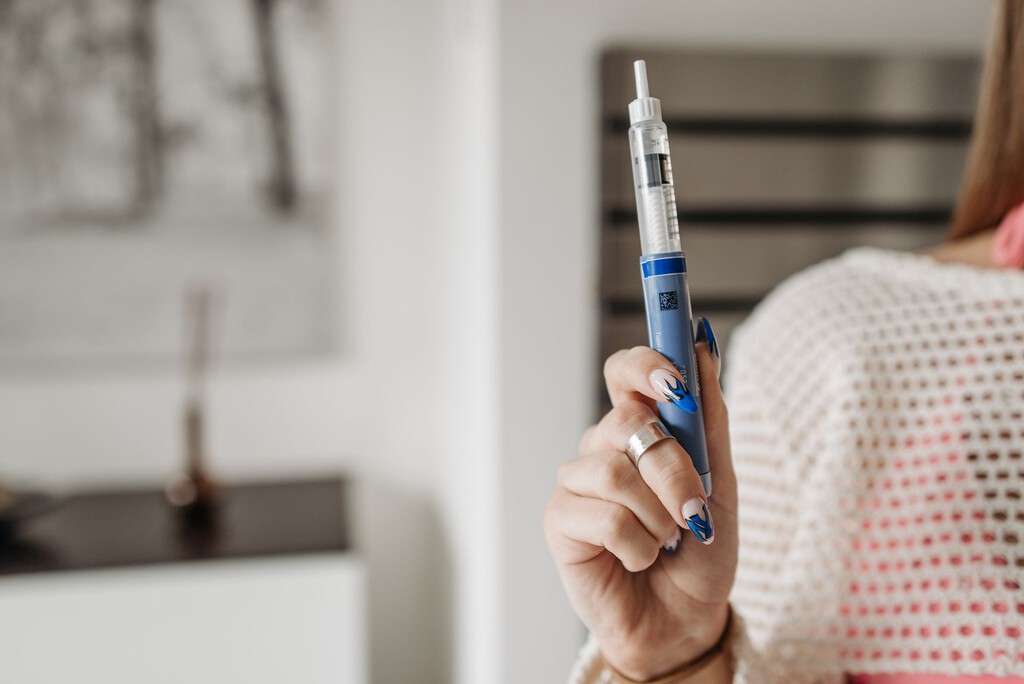
The condition at the center of these allegations is non-arteritic anterior ischemic optic neuropathy (NAION), a rare ocular disease that disrupts blood flow to the optic nerve, leading to sudden vision loss. Typically, NAION is age-related, adding complexity to the cases linking it to a pharmaceutical intervention. In diabetics, who were primary users of Ozempic, the condition’s prevalence is even more significant, raising questions about whether the drug exacerbates an existing susceptibility rather than directly causing the condition.
Global Regulatory Discrepancies
Back in 2024, a pivotal study suggested that patients on semaglutide, a primary component of Ozempic, had a fourfold increase in the risk of developing NAION compared to those using other diabetes treatments. However, the observational nature of this study limited its ability to establish causation unequivocally. This uncertainty did not prevent European regulators from taking precautionary action. By 2025, they mandated that semaglutide include a warning categorizing NAION as a rare side effect, affecting approximately 1 in 10,000 users.
Conversely, in the United States, the Food and Drug Administration (FDA) has taken a more cautious approach, opting not to require similar warnings pending further investigation. This has resulted in a regulatory divide, with U.S. actions trailing behind European measures, highlighting the automation and standardization discrepancies in global pharmaceutical regulations.
Automation in Safety Regulation
These regulatory differences underscore a broader pattern of automation in drug safety evaluations. The European Medicines Agency’s decision to adjust drug labelling automatically in response to accumulating patient data reflects an agile adaptation to emerging health threats. This automated response contrasts with the U.S. strategy, where regulatory updates are more manually integrated, pending comprehensive reviews and investigations.
Such inconsistencies can lead to varied patient experiences based on their geographic location, as seen in the differing legal landscapes that patients encounter. For example, American patients, unaware of the vision risks due to non-mandated labelling, have pursued legal action as their primary recourse for redress. This pattern of regulatory automation — or lack thereof — illustrates how standardized international guidelines could potentially streamline safety measures and reduce patient harm.
The Broader Implications
Beyond immediate legal and health implications, the Ozempic case reflects a deeper trend in how pharmaceuticals are monitored and regulated. As drugs like Ozempic gain rapid popularity, the systems overseeing their safety must evolve to keep pace. Automation in monitoring side effects, using real-time data analytics, could transform how side effects are identified and addressed globally.
Pharmaceutical companies are now tasked with not just innovating medically but also ensuring their products’ safety benchmarks keep up with their widespread use. The question remains whether regulatory bodies worldwide will harmonize their approaches to mitigate risks more effectively, potentially altering future drug safety protocols.
In conclusion, the situation surrounding Ozempic and its associated risks of vision loss highlights the need for precise and convergent regulatory practices. As both U.S. and European agencies navigate these challenges, the automation of safety monitoring and responsive regulation could serve as a model for future pharmaceutical governance.
Observation recorded. Monitoring continues.